
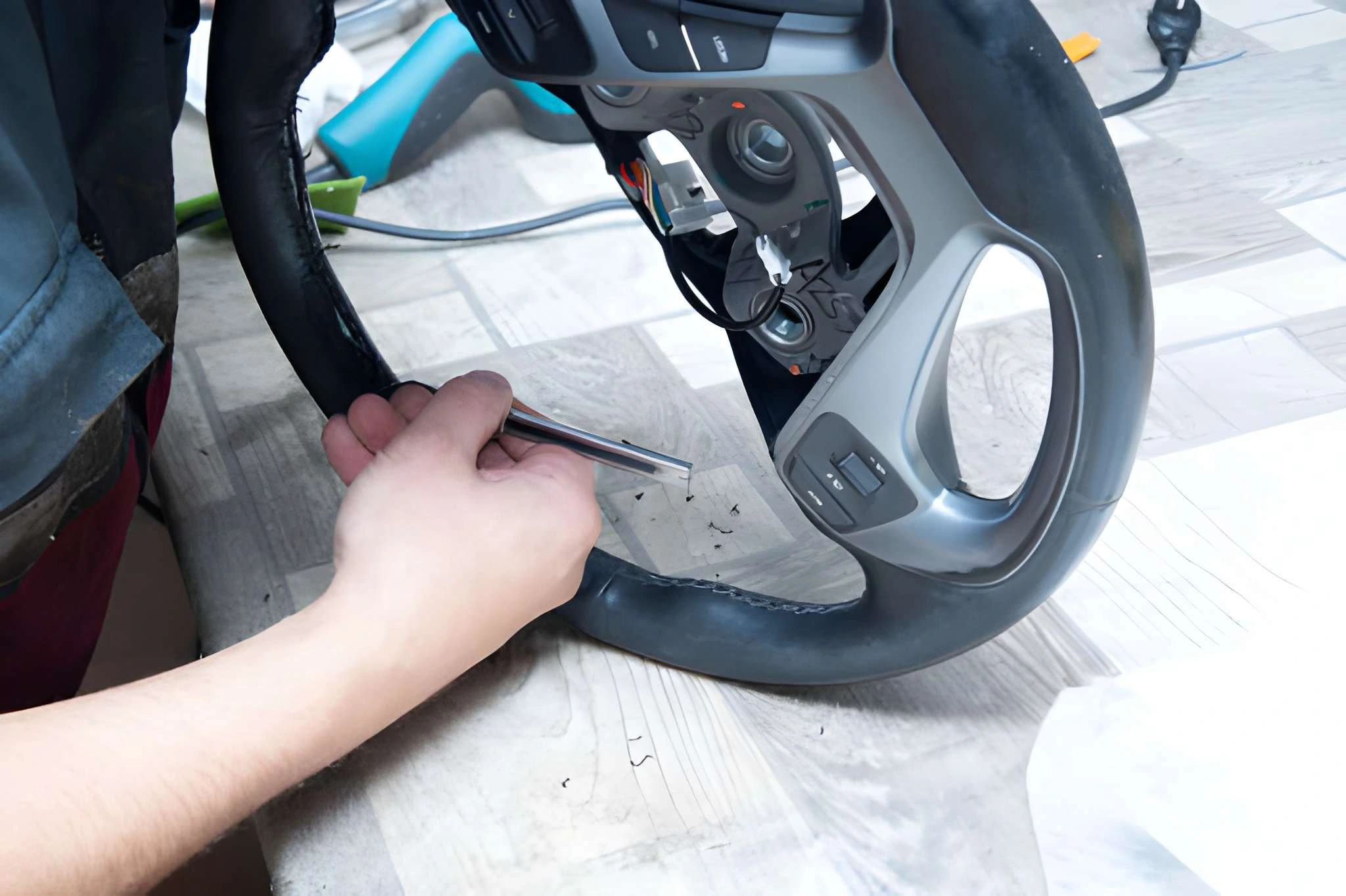
Driving a Mercedes should feel smooth, controlled, and confident. When the steering starts to feel off, most drivers notice it right away. The wheel may feel heavier than usual. The car might drift slightly. Or you may hear sounds that were never there before. These are not small annoyances. They are early signals that Mercedes Steering Repair may be needed sooner rather than later.
Many owners wait to fix steering problems because the car still runs. I have seen this often. A small issue can slowly turn into a safety risk. Mercedes steering systems are precise, so when one part fails, others can be affected too.
If you are ever unsure if your car is safe to drive, searching for a Garage near me is a good first step. Having a professional check it early can save money and prevent bigger problems. This guide covers the most common warning signs, their causes, and when to take action.
How Mercedes Steering Repair Issues Develop Over Time
Steering problems usually do not happen overnight. They build up slowly. A small leak can turn into fluid loss. A loose joint can get worse. An electronic sensor might start sending wrong signals.
Mercedes steering repair often begins with diagnosis, not replacement. Newer Mercedes models use electronic steering help. A bad sensor can turn on warning lights even if the mechanical parts are still fine.
Factors that speed up wear include:
- Frequent city driving with sharp turns
- Rough road conditions
- Skipping routine inspections
- Ignoring alignment problems
Regular inspections are part of good ownership. Scheduling routine checks under proper Car Maintenance plans helps catch steering issues early before they spread to suspension or braking systems.
Why Steering Problems Should Never Be Ignored in Mercedes Vehicles
Mercedes engineers build steering systems for accuracy and comfort. Power steering pumps, electronic motors, racks, and sensors all work together. If one part wears out or fails, it can change how your car drives.
Mercedes Steering repair is important because steering problems affect your control of the car. Poor control can make it harder to stop, wear out your tires, and raise the risk of accidents. I have seen cars come in with worn steering racks that started as a small vibration months before.
Common causes include:
- Fluid leaks in hydraulic systems
- Electrical faults in electronic power steering
- Worn tie rods or ball joints
- Damage from potholes or curb impacts
If you notice changes and keep driving, you may end up needing roadside help. In those situations, Roadside Assistance can get you safely off the road, but it will not solve the root problem.
Common Mercedes Steering Repair Warning Signs You Should Watch For
This is where paying attention matters. Mercedes Steering Repair is usually preceded by clear signals. The challenge is recognizing them early.
Here are the most common warning signs:
- The steering wheel feels stiff or heavy.
- The vehicle pulls to one side while driving.
- Steering wheel vibration at higher speeds
- Clicking, knocking, or whining sounds when turning
- The steering warning light on the dashboard
I once checked a Mercedes where the owner ignored a whining noise for weeks. The power steering pump finally failed, making the car almost impossible to steer at low speeds. Finding the problem early would have made repairs much cheaper.
If you experience any of these symptoms, a visit to a trusted Car Mechanic Near Me can help determine whether the issue is mechanical, hydraulic, or electronic.
When Steering Problems Become a Safety Concern
Some steering symptoms should never be ignored. Loss of steering assist, sudden pulling, or grinding noises while turning indicate an immediate risk.
Mercedes Steering Repair becomes urgent when:
- The steering wheel locks or resists turning.
- The car suddenly changes direction.
- Warning messages appear repeatedly.
- Steering assist cuts in and out.
In these cases, driving further can be dangerous. Calling a Mobile Car Mechanic can help assess whether the vehicle can be driven safely or needs towing.
I have seen drivers attempt to “drive it home” only to make the damage worse. Steering components are not forgiving when stressed under failure conditions.
Diagnostic Process for Mercedes Steering Repair
Professional diagnosis is essential. Guessing leads to unnecessary part replacements.
A proper Mercedes Steering Repair inspection usually includes:
- Computer diagnostics for fault codes
- Visual inspection of the steering rack and lines
- Checking the power steering fluid condition
- Testing electronic steering assist operation
- Road testing under controlled conditions
Mercedes steering systems are interconnected. A simple alignment issue can feel like a major fault. Likewise, a small sensor issue can mimic mechanical failure.
If body damage is involved in an accident or a curb strike, steering problems may develop later. In such cases, even services like Car Painting may uncover hidden alignment or steering damage during inspection.
Cost Factors and What Influences Repair Pricing
Costs vary widely depending on the cause. Mercedes Steering Repair pricing depends on:
- Vehicle model and year
- Hydraulic vs electronic steering system
- Labor time required
- Whether parts need rebuilding or replacement
Minor repairs, like sensor recalibration, cost far less than a full steering rack replacement. The key is early diagnosis. Waiting almost always increases the final bill.
Owners who maintain service records and address problems early often avoid major expenses. Steering components last much longer when supported by regular inspections.
Preventing Steering Problems Before They Start
Prevention is easier than repair. Simple habits protect steering systems over time.
Helpful tips include:
- Avoid hitting curbs when parking.
- Slow down on rough roads.
- Address alignment issues immediately.
- Check for leaks during routine service.
- Listen for new sounds while turning.
Scheduling periodic inspections with experienced technicians reduces surprises. Shops that specialize in European vehicles, like Rapid Rev Garage, understand how Mercedes steering systems behave under real-world conditions.
Frequently Asked Questions About Mercedes Steering Repair
What causes steering stiffness in Mercedes cars?
Low power steering fluid, failing pumps, or electronic assist issues are common causes.
Can I drive with a steering warning light on?
It is risky. The warning light often indicates reduced steering assist or sensor failure.
How long does steering repair usually take?
Minor repairs can take a few hours. Major component replacements may take one to two days.
Is steering repair expensive on Mercedes vehicles?
Costs vary. Early diagnosis keeps costs lower than those of delayed repairs.
Do steering issues affect tire wear?
Yes. Misalignment and loose components can quickly cause uneven tire wear.
Does routine maintenance help prevent steering failure?
Absolutely. Regular inspections are one of the best defenses against major steering problems.
Conclusion: Take Action Before Steering Issues Get Worse
Steering problems are not something to postpone. Mercedes Steering Repair is about safety, control, and confidence on the road. Early warning signs are your chance to act before small issues turn serious.
If your steering feels different, sounds unusual, or triggers warning lights, get it checked promptly. I recommend booking an inspection with Rapid Rev Garage. Their technicians understand Mercedes systems and focus on accurate diagnosis, not guesswork. Schedule your appointment today and keep your Mercedes driving the way it was meant to.

