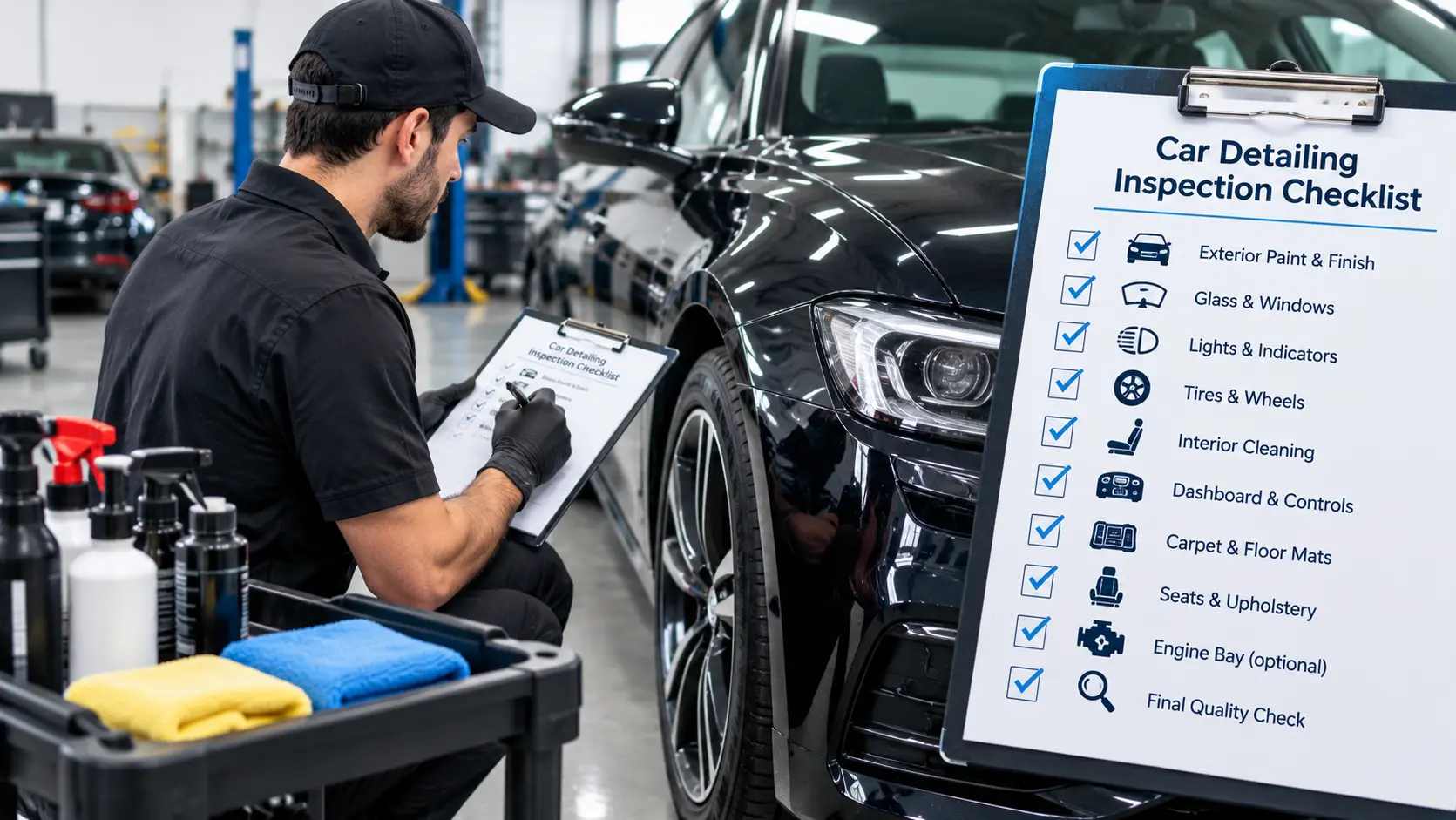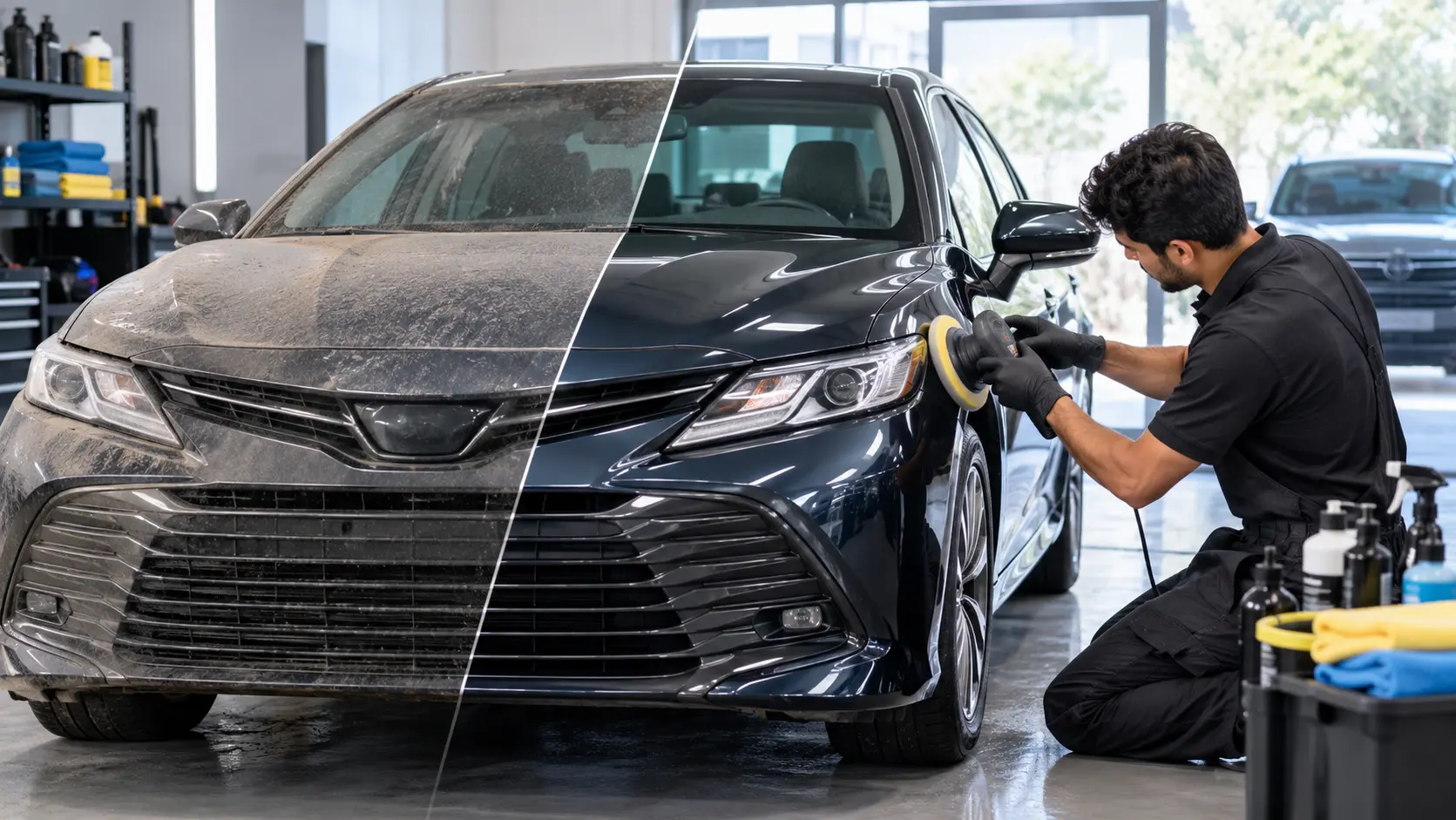
A full car inspection Dubai before buying a used car isn’t optional — it’s the only protection a buyer has in a market with no mandatory history reporting, common undisclosed accident damage, and heat-accelerated wear that makes a three-year-old vehicle look younger than it is.
At Rapid Rev Garage in Al Quoz, we carry out pre-purchase full car inspection services across all makes. Bring the vehicle to us, or we can visit the seller’s location where access and conditions allow. You receive a written report with every finding, actual measurements, and an honest assessment of what the car needs — before you commit to a price.
Full Car Inspection Dubai — The UAE Market Makes This More Important Than Anywhere
Two facts about buying a used car in Dubai that every buyer should understand before viewing any vehicle.
There is no unified accident history database. Unlike the US CARFAX or UK MOT history system, the UAE has no mandatory centralised record of collision damage, insurance claims, or structural repairs that a buyer can access online. A vehicle with a fully repaired rear-end collision can present with no visible indication at a showroom. Only a proper structural inspection on a lift — or a paint thickness test across all panels — reveals it.
Heat ages vehicles differently here. A five-year-old Dubai car has experienced more battery discharge cycles, more rubber component heat cycling, and more AC compressor operating hours than an equivalent age vehicle from Europe or North America. The clock on mechanical wear runs faster here. A full car inspection accounts for this — checking the components that Dubai specifically stresses, not just the ones that appear in a standard checklist.
Full Car Inspection — Engine and Mechanical Assessment
Cold-start evaluation
The engine must be cold — at least two hours since last running. Cold starts reveal faults that warm engines mask: timing chain rattle on BMW N20 and N47 engines, valve train noise on Volkswagen TSI units, MDS lifter tick on GM V8s. A seller who insists the engine is “already warm” has a reason for that.
We note all cold-start sounds against the engine type. A noise that disappears within 30 seconds of warm-up is a timing chain symptom on many platforms. One that persists is a different fault category.
Oil condition
The dipstick tells the history. Oil that’s been freshly changed before sale often lacks the gradual contamination of normal use — suspiciously clean oil on a 40,000 km car warrants a question about why. Milky or grey oil confirms coolant mixing — head gasket or cracked cooling component. Gritty oil with metal particles indicates internal wear that’s been generating debris.
Exhaust smoke assessment
Blue smoke on startup or under load: oil burning from ring or valve seal wear. White smoke at operating temperature: coolant burning from a compromised head gasket. Black smoke: rich fuelling, blocked DPF on diesel, or injector fault. Each type points to a specific failure category that determines negotiation position.
Engine bay condition
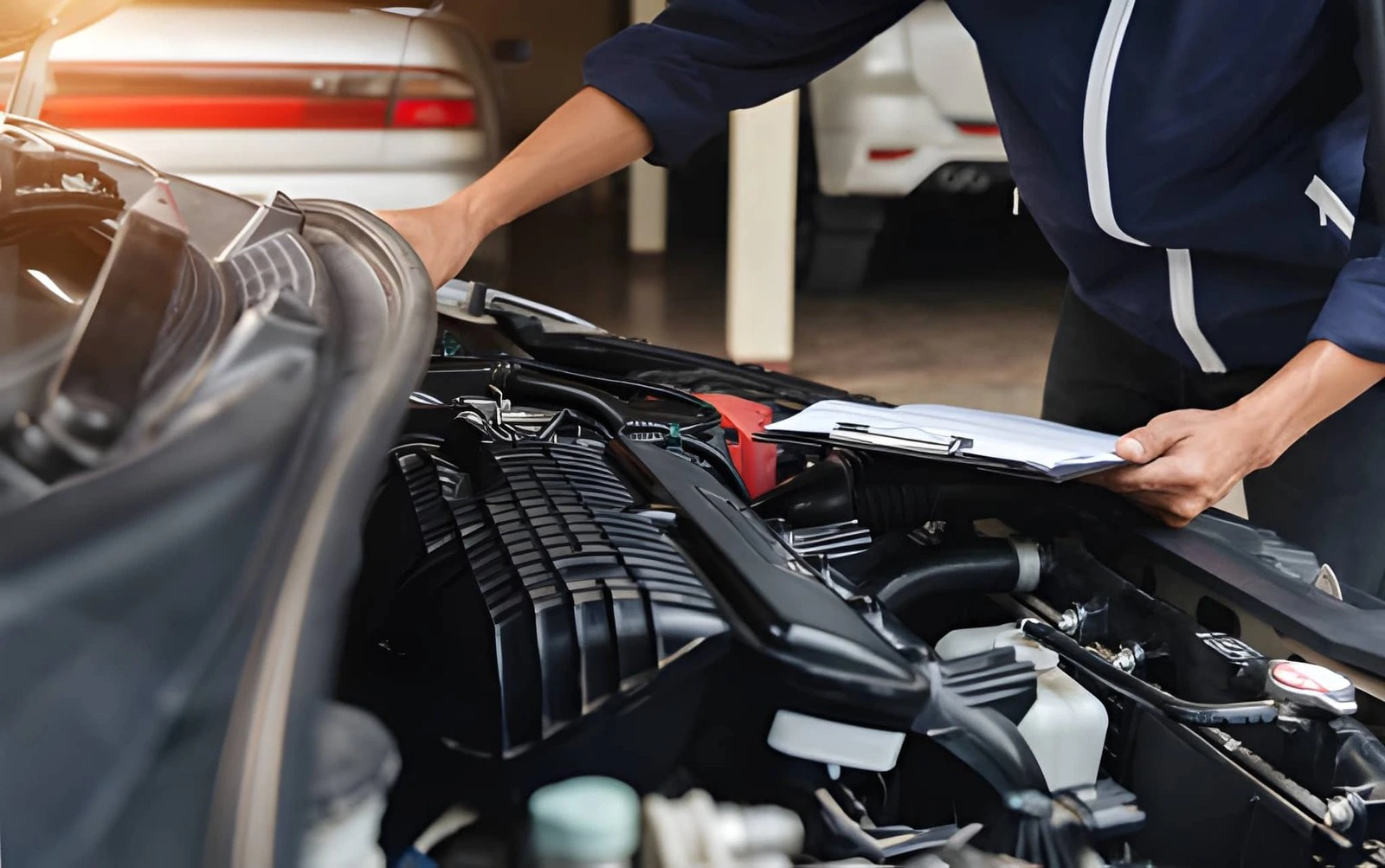
Fresh paint on isolated components, new hoses in an otherwise aged bay, mismatched fasteners, or silicone sealant applied to joins that shouldn’t need sealing — all indicate recent repair work carried out to conceal something. A well-maintained engine bay ages consistently; a bay that’s been partially cleaned or repaired doesn’t.
Our car mechanic team performs a full cold-start and warm-up assessment as part of every pre-purchase inspection job.
Chassis, Body, and Structural Inspection
This section is where the most expensive used car mistakes in Dubai originate — and the section most skipped by buyers who only do a visual check.
Lift inspection
On a four-post lift with the vehicle raised, we inspect the chassis rails from front to rear, the front and rear subframe mounting points, the floor pan sections, and the sill boxes. Collision-repaired structural damage leaves specific evidence: new metal sections with fresh underseal adjacent to aged original underseal, weld repairs with different bead profiles, reinforcement plates that weren’t factory-fitted.
Panel gap uniformity
Factory body gaps are set with precision. A door that has a 6mm gap at the top and 3mm at the bottom, or a bonnet that sits 2mm proud of one wing and flush on the other, indicates post-accident panel work regardless of how the respray looks.
Paint thickness testing
A paint thickness gauge is the most accurate tool for identifying accident history. Factory paint on steel panels reads 90–130 microns. A panel with filler material underneath reads 200–400+ microns. We test every panel and record the readings. A car with three factory-reading panels and one panel at 340 microns has had that panel repaired and resprayed — the buyer decides how to factor that into the negotiation.
Seal and rubber condition
Door seal condition, windscreen seal integrity, and rear screen rubber condition all indicate whether the vehicle has been exposed to water ingress — relevant in Dubai where occasional heavy winter rain, pressurised car wash water, and flooding events have caught vehicles in places that weren’t designed for it.
Multi-Module Diagnostic Scan
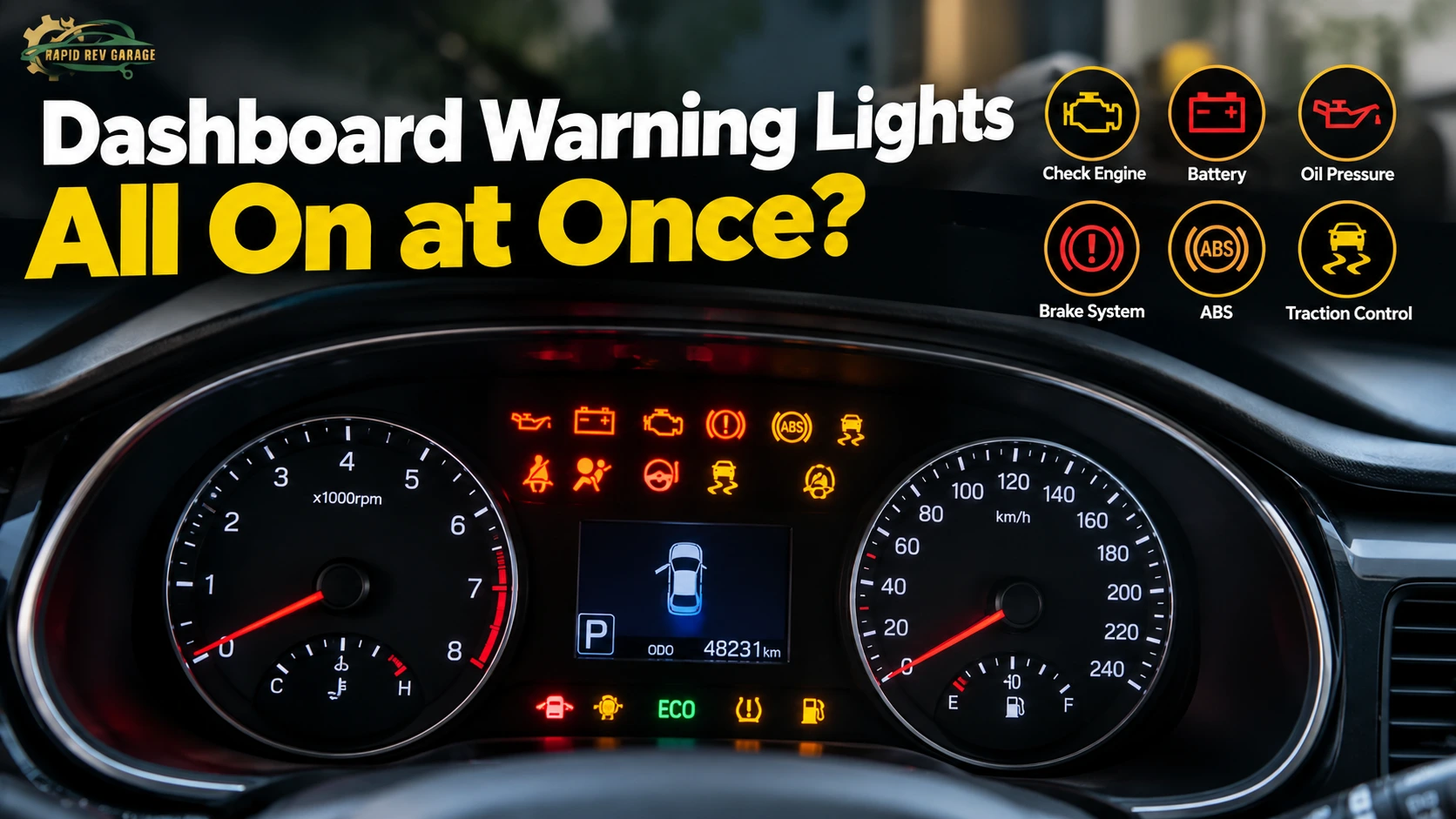
A full diagnostic scan is a core part of any credible pre-purchase inspection. The engine ECU is only one of 50–80 modules in a modern vehicle. The airbag module stores crash data independently of whether airbags deployed — a vehicle with a prior impact that was repaired without replacing the airbag module carries that fault history permanently. An odometer correction leaves forensic traces in some European BCMs. ABS, transmission, and suspension modules log fault histories that reveal how the car was used and how faults were addressed.
We use brand-compatible diagnostic tools — ISTA for BMW, STAR for Mercedes, VCDS for VW Group, SDD for Land Rover, and OEM-equivalent multi-module tools for all other makes. Twelve stored fault codes across six modules that were never addressed tells a complete ownership story. Clean modules and consistent adaptation values tell a different one.
For any inspection finding that reveals a fault requiring immediate attention, our roadside assistance can arrange recovery from the inspection location where needed.
Transmission, Drivetrain, and Fluid Assessment
Automatic transmission condition is assessed through a road test — shift quality under light throttle, moderate acceleration, and trailing throttle, combined with a TCM diagnostic scan reading adaptation values and ATF condition. Adaptation values that have drifted significantly indicate a transmission that’s been running on degraded fluid for an extended period.
For 4WD and AWD vehicles — extremely common in Dubai’s used market — we confirm Terrain Response, 4WD mode engagement, and transfer case noise during the road test. Degraded transfer case oil is almost universal on the Dubai used 4WD market. It’s correctable, but the cost to correct it belongs in the negotiation.
Manual transmissions are assessed for synchromesh engagement quality across all gears — second and third gear crunching is the most common finding on high-mileage manual gearboxes in Dubai stop-start commute use.
AC, Tyres, Brakes, and Battery
AC — performance measured by cabin temperature drop rate and system pressure. A slow-leaking system may cool adequately during a short test drive in November. In July, it won’t. Pressure test and refrigerant charge assessment reveals system condition independently of weather conditions at time of inspection.
Tyres — tread depth at three points across the face plus tyre manufacturing date. Tyres over six years old in UAE UV conditions are degraded regardless of tread depth. The date code on the sidewall (four digits: week and year of manufacture) is worth checking on every vehicle.
Brakes — pad thickness measured, rotor surface condition assessed, and brake fluid moisture content tested. Glazed pads suggest infrequent use; scored rotors suggest worn pads run too long. Either finding is relevant to the actual condition of the vehicle.
Battery — CCA load test with SOH percentage. A battery at 60% SOH on a three-year-old Dubai car is normal. The buyer should budget for replacement within 12 months. A battery at 40% SOH may not start reliably in summer. Both are worth knowing before purchase.
Our car service packages cover all of these on an ongoing basis once the purchase is made and maintenance takes over from inspection.
The Written Report
Every inspection at Rapid Rev Garage produces a written report covering:
- All structural findings with panel-by-panel paint thickness readings
- Diagnostic fault codes with module source and severity assessment
- Fluid condition results for oil, transmission, brake fluid, and coolant
- Component wear readings for brakes, tyres, and battery
- A clear summary of what the car needs now, what it will need within 12 months, and what is acceptable for the age and mileage
This report is the buyer’s document. It informs the negotiation and prevents the discovery of expensive faults after the purchase price is agreed.
Finding Full Car Inspection Services in Al Quoz
If you need a full car inspection before purchasing a used vehicle in Dubai, Rapid Rev Garage is in Al Quoz — a garage near me accessible from Business Bay, Jumeirah, Barsha, Satwa, Downtown, and the Sheikh Zayed Road corridor.
For on-site inspections at the seller’s location, our mobile car mechanic service covers Al Quoz and nearby Dubai areas. For cosmetic repair estimates alongside the mechanical inspection, our car painting team provides quotes for any body and paint issues identified.
FAQ — Full Car Inspection Dubai
What does a full car inspection include in Dubai?
Cold-start engine assessment, lift-based structural inspection, paint thickness testing on all panels, multi-module diagnostic scan, AC performance test, tyre date and tread check, brake measurement, battery load test, and a written report.
Can a full car inspection detect accident history in Dubai?
Yes — paint thickness testing identifies repaired panels with filler, lift inspection reveals structural repair evidence, and the airbag module stores crash data independently of whether airbags deployed.
How long does a full car inspection take at Rapid Rev Garage?
Approximately two to three hours for a full inspection with diagnostic scan and written report.
Should I get a full car inspection even when buying from a dealer in Dubai?
Yes — dealer pre-sale checks confirm roadworthiness for the sale, not prior structural history or deferred maintenance that affects long-term ownership cost.
Can you do a full car inspection at the seller's location?
Yes — our mobile car mechanic service covers Al Quoz and nearby Dubai areas for on-site pre-purchase assessments, subject to location and availability.
In Conclusion
A full car inspection Dubai before any used car purchase is the only accurate way to know what you’re actually buying. Rapid Rev Garage in Al Quoz delivers a thorough, honest inspection with a written report — structural, mechanical, electrical, and cosmetic — so buyers have real information before committing to any price.
Rapid Rev Garage is in Al Quoz, serving buyers and owners across nearby Dubai areas — Business Bay, Jumeirah, Downtown, Barsha, Satwa, and the Sheikh Zayed Road corridor. Book your appointment on WhatsApp and find us on Google Maps.
Rapid Rev Garage — Full Car Inspection Dubai | Al Quoz and Nearby Areas