Car brake fluid doesn’t get much attention until something feels off: a pedal that sinks a little too far, or brakes that just don’t grip the way they used to. It’s easy to overlook because you can’t see it working, but it’s what actually transmits the pressure from your foot on the pedal to the calipers gripping your rotors. Without it doing its job properly, none of the rest of your braking system matters.
This guide walks through everything you need to know about car brake fluid, why it matters, how to tell when it needs changing, what the job actually involves, and when it’s worth calling in a professional instead of tackling it yourself.
Everything You Need to Know About Car Brake Fluid
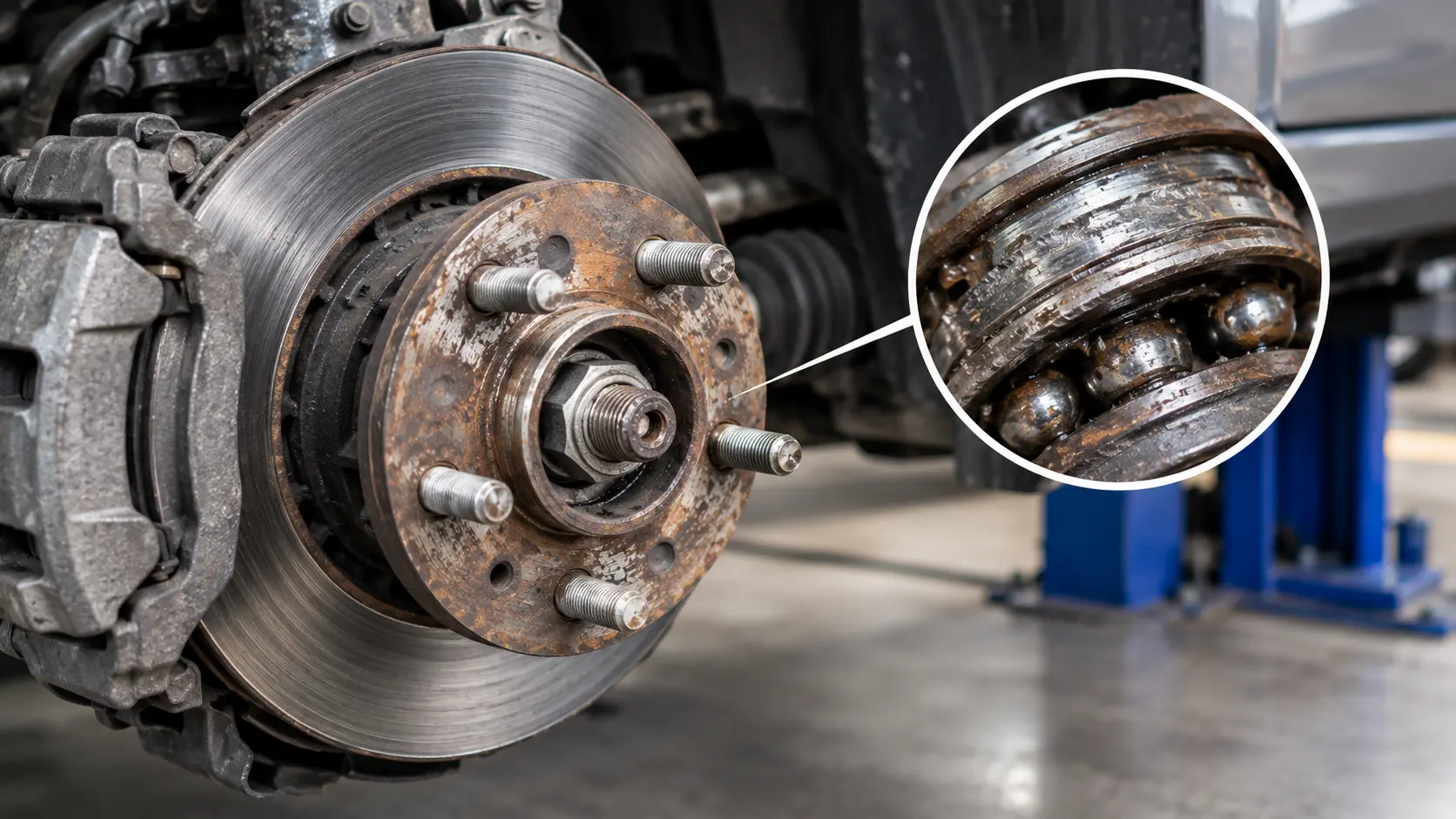
Car brake fluid is the one component in your braking system that quietly does all the heavy lifting. It’s what carries the force from the pedal through the lines to each wheel, and it needs to stay free of air bubbles and excess moisture to do that reliably. Over time, brake fluid absorbs moisture from the air, even inside a sealed system, and that moisture lowers its boiling point and starts corroding metal components from the inside.
At Rapid Rev Garage, we see plenty of cars come in with pedal issues that trace straight back to old car brake fluid rather than a fault with the pads or calipers themselves. Catching it early usually means a quick, affordable fix instead of a bigger repair down the line.
Signs Your Car Brake Fluid Needs Changing
A handful of warning signs point directly to brake fluid that’s overdue for a change. Catching these early keeps your braking system reliable and can save you from a much more expensive repair later.
Spongy or Soft Brake Pedal
If the pedal feels like it sinks further than usual before the brakes engage, air or moisture has likely worked its way into the fluid. This is one of the clearest signs that your brake fluid needs attention.
Longer Stopping Distances
Old, moisture-heavy fluid doesn’t transmit pressure as efficiently, which can mean your car takes noticeably longer to stop than it should.
Dashboard Warning Light
Many vehicles have a dedicated brake system warning light that activates when fluid levels drop or system pressure is abnormal.
Discoloured Fluid
Fresh brake fluid is usually clear or light amber. If you check the reservoir and the fluid looks dark or cloudy, it’s a strong sign the fluid has degraded and needs replacing.
How Often You Need a Car Brake Fluid Change
Most manufacturers recommend that you change the brake fluid in your car around every two years or around 20,000 kilometres. It depends on the brand and model of your automobile. Consult your owner’s handbook for the manufacturer’s guideline, not a general rule of thumb.
Driving Conditions
Frequent hard braking, stop-start traffic, and hot climates all accelerate the rate at which brake fluid absorbs moisture and breaks down.
Vehicle Age and Type
Heat cycling in the braking system will hasten fluid degradation. Older vehicles and performance automobiles generally need more regular attention.
Manufacturer Guidelines
Some manufacturers, particularly premium European brands, specify shorter intervals or specific fluid types. It’s worth checking before assuming a generic timeline applies to your car.
Brake Fluid Change vs. Brake Fluid Flush
These two terms get used interchangeably, but they’re not quite the same job. A brake fluid change replaces a portion of the old fluid, while some of the original fluid stays mixed in with the new. It’s a lighter service, still useful for routine maintenance.
A brake fluid flush goes further, pushing all the old fluid out of the lines before refilling the entire system with fresh fluid. It takes a bit longer, but it gives you a completely clean system rather than a partial refresh.
Tools and Materials Needed for a Brake Fluid Change
If you’re considering doing this yourself, here’s what you’ll need on hand before starting:
- A spanner set sized for your brake bleeder valves
- A brake bleeding kit
- The correct type of new brake fluid for your vehicle
- A container for collecting the old fluid
- Gloves and safety goggles
- Clean cloths for any spills
Brake fluid is corrosive to paint and unpleasant on skin, so gloves and goggles aren’t optional extras; they’re there to protect you while you work.
Step-by-Step: How a Brake Fluid Change Works
Here’s roughly what the process looks like, whether you’re doing it yourself or watching a mechanic do it:
- The car is parked on level ground with wheel chocks in place for safety.
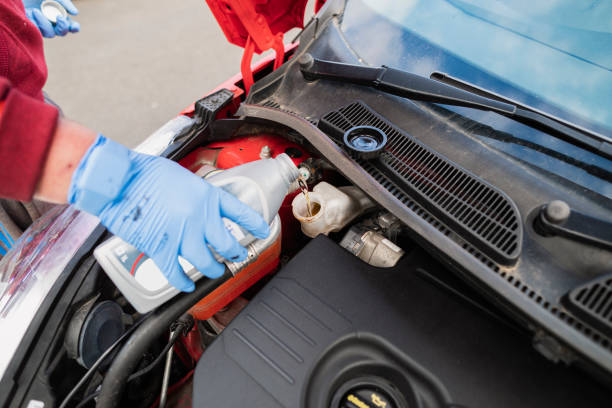
- The car brake fluid reservoir is located, usually toward the back of the engine bay on the driver’s side.
- Old fluid is drawn from the reservoir using a siphoning tool and then disposed of as hazardous waste.
- Fresh fluid is added up to the max line, with the reservoir cap left loose for the next step.
- Each wheel is bled in turn, starting with the one furthest from the master cylinder, to push air bubbles and old fluid out through the bleeder valve.
- The fluid level is checked and topped up, and the brakes are tested on a brief drive to make sure the pedal feels firm and responsive.
It’s a manageable job with the right tools, but it does require patience and attention to detail — rushing the bleeding step is the most common reason DIY brake fluid changes don’t fully clear air from the lines.
Cost of a Brake Fluid Change
The cost of a brake fluid change will vary depending on your vehicle, the type of fluid needed and the garage carrying out the operation. You may expect to pay anywhere between AED 200 and AED 450 on average. Premium or high-performance vehicles can be more expensive due to the need for specialised fluid.
Factors that affect the price include:
- Your vehicle’s make and model
- Whether a full flush or a partial change is needed
- The specific type of fluid your manufacturer requires
Special Considerations for BMW and Premium Vehicles
Many BMWs and other high-end Euro cars require special lubricants, such as DOT 4 LV, and upgrades to their electronic systems. Before you book the service, you may want to consult your owner’s manual or a car mechanic familiar with your brand to ensure the exact needs for your vehicle.
DIY vs. Professional Brake Fluid Change
Changing your own brake fluid can save money if you’re comfortable with the tools and the process. It does demand attention to detail, though, since trapped air in the lines after a rushed job can leave your brakes feeling unreliable.
A professional car mechanic brings the right equipment and experience to get the bleeding process right the first time, and most garages will also check your pads, rotors, and lines while they’re already working on the system. If you’re not confident doing it yourself, it’s generally worth having it done professionally rather than risking a job that doesn’t fully clear the fluid.
Finding the Right Garage for a Brake Fluid Change
Not all garages approach brake fluid work in the same way, so it is worth picking carefully.
If you are searching for a garage near me to change the brake fluid in your car, make sure you find a service with transparent pricing, verifiable reviews, and experts who are straightforward about which fluid your vehicle needs. Rapid Rev Garage handles this service regularly across a wide range of makes and models, from everyday runabouts to performance and luxury vehicles.
If you’re dealing with a brake issue away from home, roadside assistance can help get your car safely to a garage rather than risking a drive on brakes that don’t feel right. It’s always better to have the car looked at properly than to keep driving on fluid that’s already showing warning signs.
Disposing of Old Brake Fluid Properly
Old brake fluid is hazardous waste and shouldn’t go down a drain or into regular rubbish. Collect it in a sealed container, transport it to a proper hazardous waste facility, and check local regulations if you’re unsure about your nearest disposal point. Any garage performing this service professionally will handle the disposal step for you as part of the job.
Frequently Asked Questions About Brake Fluid Maintenance
Q1: How often should I change my car brake fluid?
Most manufacturers recommend a change every two years or roughly every 20,000 kilometers, though your owner’s manual will have the exact figure for your vehicle.
Q2: What are the signs my brake fluid needs changing?
A spongy brake pedal, longer stopping distances, a dashboard warning light, and dark or cloudy fluid in the reservoir are the clearest signs it’s time.
Q3: Is a brake fluid change the same as a brake fluid flush?
Not quite. A change replaces part of the old fluid, while a flush pushes out all of the old fluid for a completely fresh system.
Q4: Can I change my car brake fluid myself?
Yes, if you have the right tools and are comfortable with the bleeding process. It does require patience, since trapped air can leave the brakes feeling soft if the job isn’t done thoroughly.
Q5: How much does a brake fluid change cost?
Typically between AED 200 and AED 450, depending on your vehicle and whether a full flush or partial change is needed.
Q6: Does my car need a specific type of brake fluid?
Some vehicles, particularly premium European brands, require specific fluid types, such as DOT 4 LV. Always check your owner’s manual before topping up or booking a service.
Final Thoughts on Brake Fluid Maintenance
Car brake fluid isn’t something most drivers think about often, but it’s directly tied to how well your brakes perform when you actually need them. Catching the warning signs early- a soft pedal, a dashboard light, or fluid that looks darker than it should means a straightforward, affordable service instead of a bigger repair bill later.
If it’s been a while since your last brake fluid change, Rapid Rev Garage can quickly and affordably inspect and replace your car’s brake fluid. You can also reach Rapid Rev Garage on WhatsApp to book a slot, or head over to your nearest car mechanic if you’d rather have it looked at in person. For anything beyond brake fluid, Rapid Rev Garage also offers a full-service garage near me and comprehensive car service in Dubai to keep the rest of your vehicle running properly, too.
For further assistance?
Visit us at our Al Quoz, Dubai branch,
Find us on Google Maps: https://maps.app.goo.gl/axPzrssQD8tA4b759