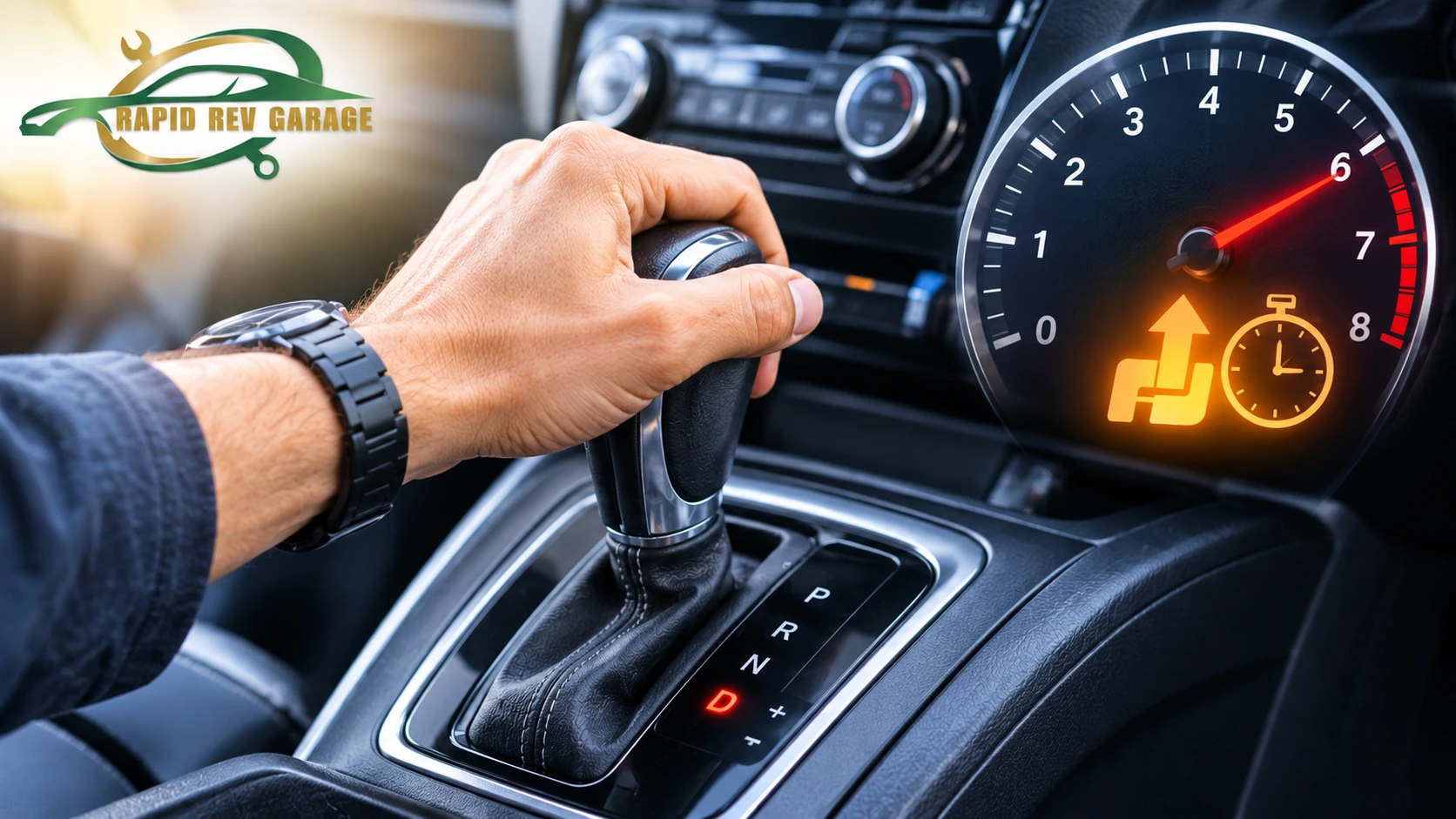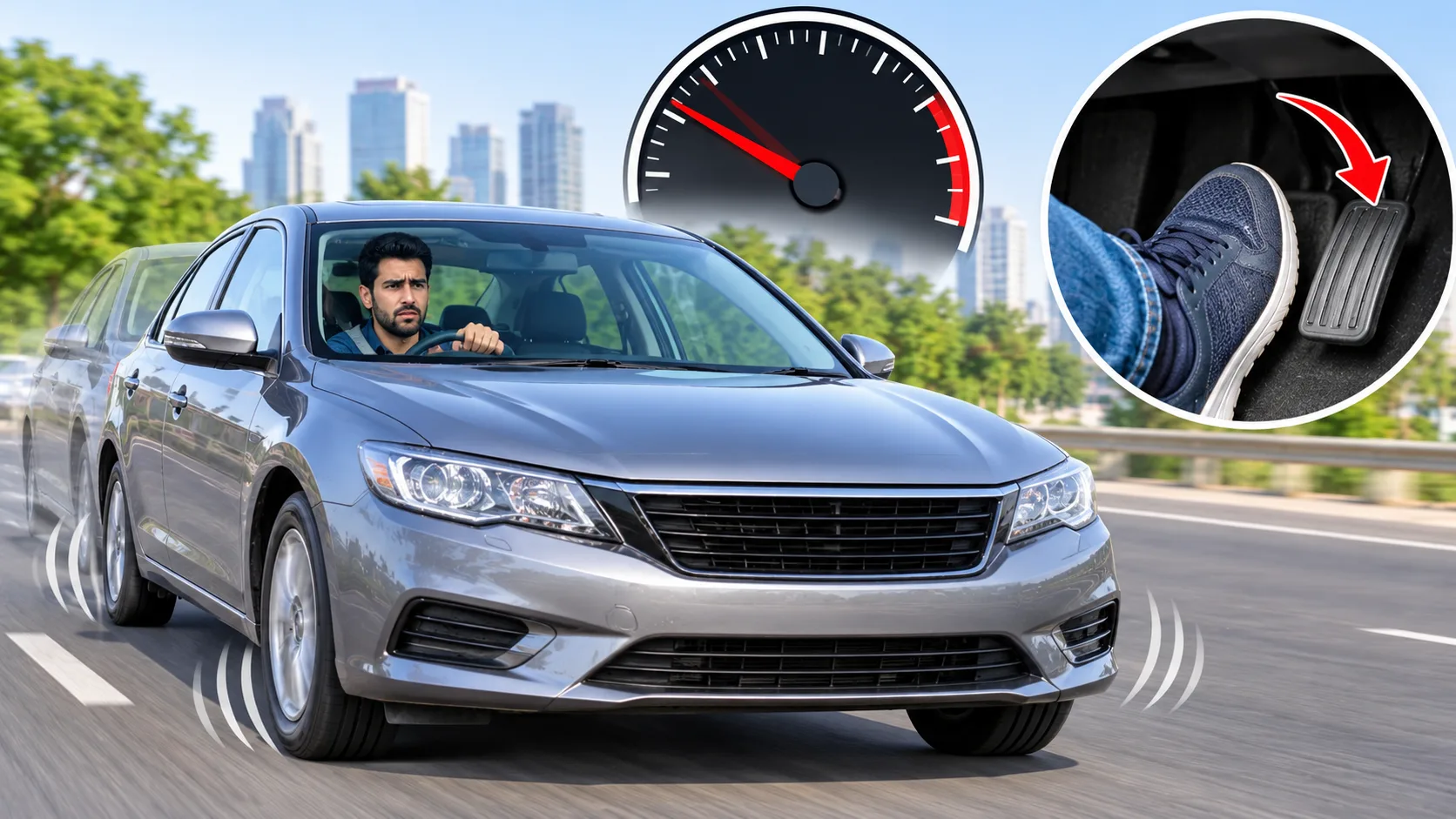
You press the pedal at the lights on Al Wasl Road and nothing happens for a second. Then the car jumps forward with a jerk. Car hesitation when accelerating is a timing problem. The engine reacts late or unevenly to your foot, even if it still makes full power.
It is often worst when pulling away or pressing gently at 40 to 60 km/h. A trusted car mechanic near you can see the delay in live data.
Car Hesitation When Accelerating: Quick Answer
Car hesitation when accelerating is most often caused by carbon in the throttle body or a faulty throttle or pedal position sensor. A dirty airflow sensor, a vacuum leak or light throttle misfires can also cause it.
Rick’s Free Auto Repair Advice explains that on electronic throttle cars, the engine computer compares the pedal position with the throttle position. If the two do not agree, it can set code P0121 and limit power. A mechanic checks those readings side by side, cleans the throttle body and runs an idle relearn.
Table of Contents
- Carbon Build Up in the Throttle Body
- Throttle and Pedal Position Sensor Faults
- Airflow Sensor Readings That Lag
- Misfires That Cause Jerking at Light Throttle
- Vacuum Leaks That Create a Flat Spot
- Hesitation That Appears With the AC On
- How a Mechanic Traces Hesitation
- Why Choose Rapid Rev Garage for Throttle Problems
- FAQ
- Conclusion
Carbon Build Up in the Throttle Body
The throttle body has a flap that opens as you press the pedal. Oil vapour from the crankcase ventilation system leaves a sticky carbon ring around that flap over time.
Rick’s Free Auto Repair Advice notes that carbon restricts airflow and can make the throttle plate stick. The flap then opens late or in a jump, and the car hesitates or surges. Cleaning the throttle body during a regular car service in Dubai removes it. Rick’s adds that an idle relearn should follow, or the computer may misread airflow.
Throttle and Pedal Position Sensor Faults
Most modern cars have no cable to the throttle. A sensor on the pedal tells the computer how far you pressed, and the computer opens the throttle with a motor.
Rick’s Free Auto Repair Advice explains that the computer compares pedal position, throttle position and sometimes airflow. If they disagree, it sets a code and may enter reduced power mode. A worn sensor track can create dead spots that feel like a stumble at one pedal position.
Rick’s lists corroded connectors, damaged wiring and poor grounds as common causes. These are traced with a wiggle test during auto electrical repair.
Airflow Sensor Readings That Lag
The mass airflow sensor tells the computer how much air is coming in, so it can add the right amount of fuel. A dirty sensor responds slowly when airflow rises suddenly.
The result is a brief lean stumble as you press the pedal. Fine Dubai dust that slips past a torn air filter coats the sensor wire. A clean, well sealed filter fitted during a filter change protects it.
Misfires That Cause Jerking at Light Throttle
A weak ignition coil or worn spark plug can misfire under light acceleration, often between 40 and 80 km/h. Each misfire feels like a small jerk.
Heat makes coils weaker, so the jerk often shows up on a 45°C afternoon and fades on cooler mornings. A reliable car garage near you reads the misfire counter for each cylinder. A severe misfire can stall the engine in traffic. If that happens, move to safety and call roadside assistance.
Vacuum Leaks That Create a Flat Spot
A split intake hose or loose clamp lets in air that the airflow sensor never measured. The mixture turns lean, and the engine stumbles as you press the pedal.
Intake hoses can be knocked loose during front end repairs, for example after bumper work through paint and panel repair.
Hesitation That Appears With the AC On
The AC compressor adds load to the engine. If hesitation happens only when the AC is running, the engine may not be compensating for that load, or the compressor may be dragging.
Check whether the hesitation stops with the AC switched off. If it does, a car AC repair check of the compressor and its clutch is the next step.
How a Mechanic Traces Hesitation
Rick’s Free Auto Repair Advice describes a clear method. The mechanic compares live throttle position data with pedal input, looking for smooth, matching movement. The throttle body is then inspected for carbon, and the sensor reference voltage, ground and signal are tested.
Airflow readings, fuel trims and misfire counters are checked during a road test. Rick’s advises replacing the throttle body only after testing confirms it is faulty. If the car is at home, a mobile mechanic can read the codes first.
Why Choose Rapid Rev Garage for Throttle Problems
Rapid Rev Garage in Al Quoz is a good choice for hesitation and jerking. Throttle, sensor and ignition checks are done together.
Live Data Before Parts
Pedal and throttle readings are compared on a scan tool, so a cleaning or relearn is tried before a new throttle body.
Close to Sheikh Zayed Road
The workshop at Al Khail Gate, Al Quoz Industrial Area 2, is a short drive from Jumeirah, Al Barsha and Downtown.
FAQ
Here are the questions Dubai drivers most often ask about hesitation.
Why does my car jerk when accelerating slowly?
Light throttle misfires from weak coils or worn plugs are common causes. A sticking throttle plate can also cause it.
Can a dirty throttle body cause hesitation?
Yes. Carbon around the flap restricts airflow and can make the plate stick, causing a delay or surge.
What sensor causes hesitation when accelerating?
The throttle position, accelerator pedal position and airflow sensors are the most common.
Does cleaning the throttle body need relearning?
Often yes. Rick's Free Auto Repair Advice recommends an idle relearn after cleaning so the computer reads airflow correctly.
Is hesitation worse with the AC on?
It can be. The compressor adds load, so a weak engine or a dragging compressor shows up more.
Conclusion
Hesitation is the engine reacting late to the pedal. Throttle carbon, worn sensors, a dirty airflow sensor, misfires and vacuum leaks are the usual causes. Live data shows which one.
Rapid Rev Garage is a full workshop at Al Khail Gate, 12th Street, Al Quoz Industrial Area 2, serving passenger cars across Al Quoz, Business Bay, Jumeirah, Al Barsha, Satwa, Downtown and the Sheikh Zayed Road corridor. Visit https://rapidrevgarage.com, send your car model and symptoms on WhatsApp, or get directions on Google Maps.
Rapid Rev Garage | Car Hesitation When Accelerating | Al Quoz, Dubai