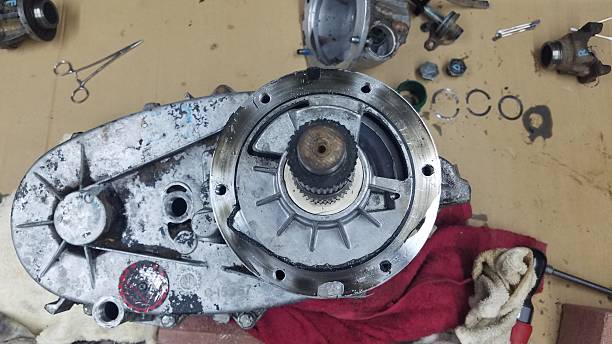
At a Glance
A Jeep transfer case is what makes four-wheel-drive actually work — it takes power from the transmission and splits it between the front and rear axles, so your Jeep keeps traction on sand, mud, rocks, or whatever uneven terrain you’re on. When it’s not working right, you’ll notice trouble engaging 4WD, strange noises, or power dropping out to one or both axles. Regular fluid changes and the occasional professional check go a long way toward keeping it healthy and avoiding a much bigger drivetrain repair down the line.
Table of Contents
- Problem Overview
- Symptoms Worth Watching For
- Common Causes
- How We Diagnose It
- The Repair Process
- Risks of Ignoring It
- Can You Continue Driving?
- Repair Time
- Cost Factors
- Prevention Tips
- Dubai-Specific Advice
- Why Choose Rapid Rev Garage?
- Frequently Asked Questions
- Related Services
- Final Call-to-Action
“What’s Actually Going On:”
A Jeep transfer case is genuinely one of the most important parts of the drivetrain on any four-wheel-drive Jeep. Sitting between the transmission and the front and rear differentials, it’s the component actually responsible for sending power to all four wheels whenever you need the extra grip.
Whether you’re on Dubai’s highways, out in the desert sand, on rocky trails, or dealing with wet roads after a rare bit of rain, the transfer case is what decides where that torque actually goes. Newer Jeeps handle this automatically or manually depending on the setup and road conditions.
Like anything mechanical, the internal gears, bearings, chains, seals, or electronic actuators wear down over time — heavy use, skipped maintenance, contaminated fluid, or just normal aging all play a part. Once that starts happening, getting it looked at properly matters, since drivetrain damage has a way of spreading if it’s ignored.
Symptoms Worth Watching For
A failing Jeep transfer case doesn’t usually fail without warning — there are signs first, if you’re paying attention.
- Grinding or whining sounds from underneath the vehicle
- Trouble getting 4WD actually to engage
- The vehicle stuck in 2WD or 4WD when it shouldn’t be
- Fluid showing up underneath where the transfer case sits
- Vibrations that weren’t there before
- A burning smell, usually from overheated fluid
- A drivetrain warning light on the dashboard
- Jerking during acceleration
- Difficulty switching between drive modes
- Noticeably reduced off-road capability
Any of these on their own is worth a look. A few together, and it’s time actually to get it checked rather than hope it resolves itself.
What Causes Jeep Transfer Case Problems?
A handful of things tend to cause a Jeep transfer case to start acting up, and it’s rarely one single thing on its own.
Low or dirty fluid is probably the most common — it doesn’t take much contamination before internal components start wearing faster than they should. Worn bearings, damaged gears, and a stretched transfer chain are all fairly typical failure points too, especially with age and mileage. Leaking seals let fluid escape and let contaminants in, which speeds up wear from both directions.
Heavy off-road driving without proper preparation adds stress the transfer case wasn’t necessarily built to handle constantly, and skipping scheduled maintenance just lets small issues sit and compound. Deep water crossings can introduce water contamination, and electronic actuator failure rounds out the more common causes on newer models with electronically controlled systems.
Routine servicing genuinely cuts down how often any of these actually turn into a real problem.
How We Diagnose It
Getting the diagnosis right matters here more than usual, since drivetrain parts aren’t cheap to replace on a guess.
We start with a full visual inspection and check fluid condition directly, since that alone tells us a lot. We check for leaks, take the vehicle out for a road test, and scan for electronic fault codes if the system’s throwing any. Bearing noise gets isolated specifically, we run a driveline vibration analysis, and if it’s warranted, we get into an internal gear inspection to see exactly what’s worn.
This is what actually tells us what’s wrong with a Jeep transfer case instead of just replacing whatever seems like the obvious culprit.
The Repair Process of Jeep Transfer Case Repair
What actually needs fixing depends entirely on how far things have progressed.
Sometimes it’s as simple as replacing worn seals or changing out contaminated fluid. Other times it’s damaged bearings, a new transfer chain, or repairing internal gears directly. Electronic shift motors get replaced when that’s the actual fault, and in more serious cases, the whole unit needs rebuilding — or, if it’s beyond that, replacing outright. Once the repair’s done, we test 4WD engagement directly and take it out for a final road test to confirm everything’s working the way it should in both two-wheel and four-wheel drive.
Risks of Ignoring It
Letting Jeep transfer case issues sit doesn’t make them smaller — it just gives them time to spread into other parts of the drivetrain.
Left unaddressed, you’re looking at potential complete drivetrain failure, losing four-wheel-drive capability entirely, damage spreading to the differentials, strain on the transmission, a bigger repair bill the longer it’s left, reduced vehicle stability, and the real possibility of an unexpected breakdown. In the worst cases, you could end up needing roadside recovery if the vehicle becomes genuinely immobile.
Can You Continue Driving?
Driving with a damaged Jeep transfer case really isn’t something to push through. A very minor fluid leak might allow a short drive to get somewhere for inspection, but grinding noises, vibration, shifting trouble, or 4WD refusing to engage all mean it’s time to stop and get it looked at. Continuing to drive on it risks spreading the damage to the transmission, driveshafts, differentials, and axle components — parts that are considerably more expensive to fix than the transfer case alone.
Jeep Transfer Case Repair Time
How long it takes really depends on what’s actually wrong.
Repair Type / Estimated Time
- Fluid replacement — 1 hour
- Seal replacement — 2 to 3 hours
- Shift motor replacement — 2 to 4 hours
- Bearing replacement — 5 to 7 hours
- Complete rebuild — 1 to 2 days
- Full replacement — 1 to 2 days
Cost Factors
A few things move the final bill: your specific Jeep model, the type of transfer case fitted, how severe the internal damage actually is, whether OEM or aftermarket parts are used, labor required, whether electronic components need replacing, fluid cost, and any additional drivetrain repairs the inspection turns up along the way.
Catching a Jeep transfer case problem early tends to mean a noticeably smaller bill than waiting until something’s failed.
Prevention Tips
Keeping a Jeep transfer case healthy is a lot easier than repairing one that’s already failed, and most of it comes down to consistency rather than anything complicated. Change the fluid at the recommended interval rather than pushing it. Check for leaks now and then, especially if you drive off-road regularly. Ease into aggressive off-roading rather than diving straight in without preparation.
Pay attention if you hear anything unusual underneath the car. Stick to your service schedule, and don’t ignore a warning light hoping it’ll clear on its own. Use the lubricant your manufacturer actually specifies, and have the drivetrain checked as part of routine maintenance rather than only when something feels wrong.
Dubai-Specific Advice
Dubai throws some genuinely unique challenges at a four-wheel-drive system. Desert driving, sustained heat, and fine sand all add extra stress to a Jeep transfer case that a car driven only on paved roads simply wouldn’t face. Sand getting where it shouldn’t, overheating, and extended time in low-range gears all accelerate wear if maintenance gets neglected.
If you’re regularly off-road or towing anything heavy, it’s worth scheduling drivetrain inspections with technicians who actually know Jeep systems. Preventive care here is genuinely far cheaper than a major drivetrain repair later.
Why Choose Rapid Rev Garage for Jeep Transfer Case Repair?
At Rapid Rev Garage, Jeep drivetrain work is something we handle regularly, not occasionally — that experience matters when it comes to something as involved as a transfer case.
Working with us means technicians who actually know Jeep systems, proper diagnostic equipment, genuine or OEM-quality parts, pricing you understand before work starts, quick turnaround, thorough drivetrain inspections rather than a glance, warranty-backed work, and service focused on getting it right rather than getting it done fast. Whether it’s a routine check or a full transfer case rebuild, we’re set up to handle it properly.
Frequently Asked Questions
Q1: What does a Jeep transfer case actually do?
It splits engine power between the front and rear axles, which is what lets your Jeep run in 4WD or AWD in the first place.
It splits engine power between the front and rear axles, which is what lets your Jeep run in 4WD or AWD in the first place.
Q2: How long does a transfer case usually last?
With decent maintenance, many go well past 150,000 to 200,000 km, though it really depends on how the vehicle’s driven and serviced.
With decent maintenance, many go well past 150,000 to 200,000 km, though it really depends on how the vehicle’s driven and serviced.
Q3: Can low fluid actually damage it?
Yes. Not enough fluid, or contaminated fluid, increases friction and heat, which wears internal components down faster than they should.
Yes. Not enough fluid, or contaminated fluid, increases friction and heat, which wears internal components down faster than they should.
Q4: Can transfer case problems affect the transmission too?
Yes. Since they work together, an unresolved transfer case issue can put extra strain on the transmission over time.
Yes. Since they work together, an unresolved transfer case issue can put extra strain on the transmission over time.
Q5: How often should the fluid be changed?
Follow your Jeep’s actual maintenance schedule, and change it more often if you’re regularly off-road or towing heavy loads.
Follow your Jeep’s actual maintenance schedule, and change it more often if you’re regularly off-road or towing heavy loads.
Related Services
- Jeep Engine Repair
- Jeep Transmission Repair
- Jeep Differential Repair
- 4WD System Diagnostics
- Drivetrain Inspection
- Suspension Repair
- Brake Repair
- Wheel Alignment
- Car Recovery Services
- Computer Diagnostics
Final Thoughts
A Jeep transfer case plays a genuinely crucial role in delivering power, stability, and control, especially once you’re off-road or dealing with rough conditions. Ignoring the early warning signs tends to lead to a much bigger drivetrain repair than the one you started with.
Noticed unusual noises, shifting problems, or a fluid leak? Don’t wait on it. Visit Rapid Rev Garage for a proper inspection and expert repair. Our technicians use real diagnostic equipment to find the actual cause and get your Jeep performing the way it should, whether you’re driving Dubai’s streets or out tackling the desert.