
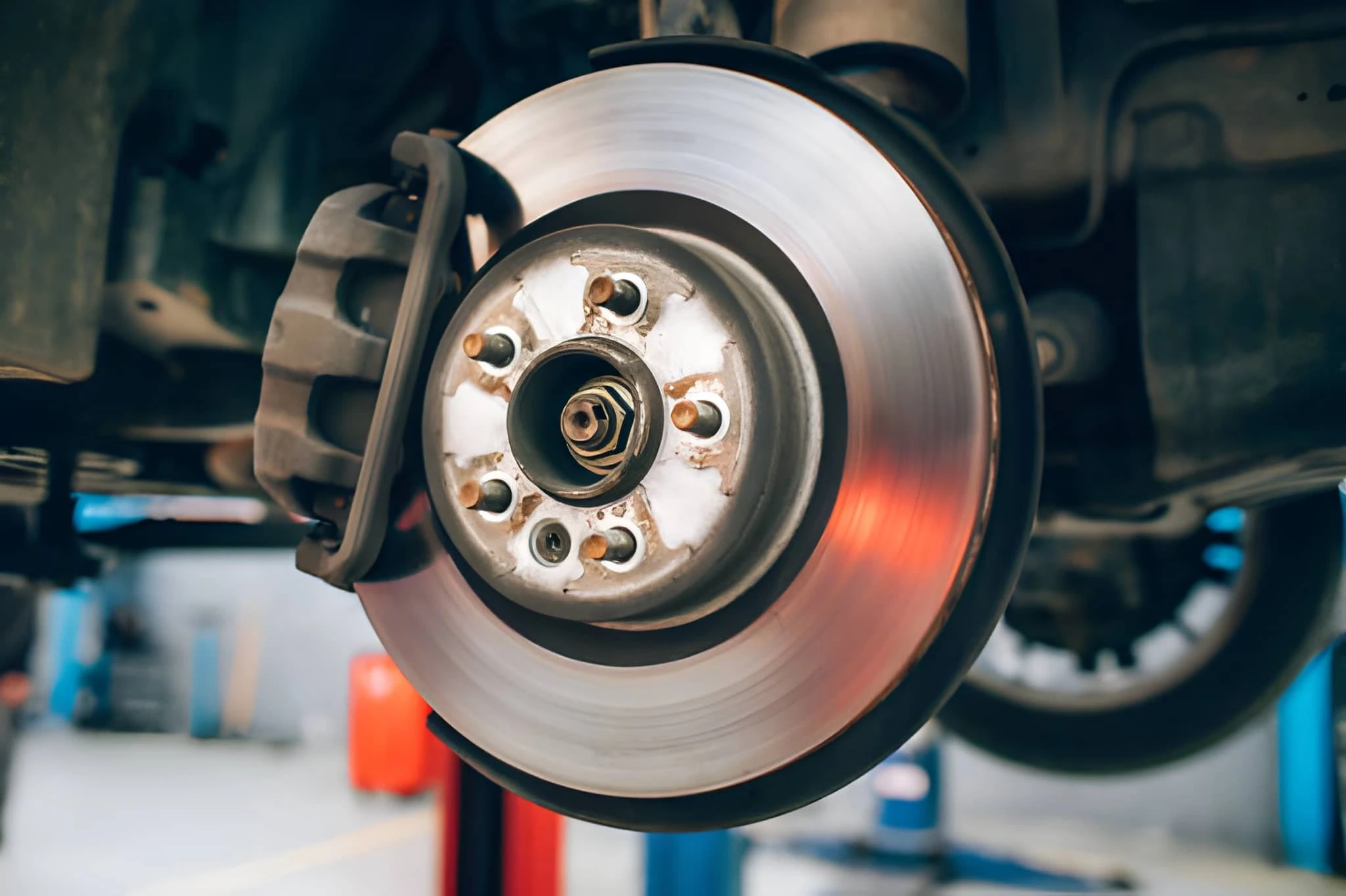
Brakes are one of the most critical safety systems in your Mercedes. Among all braking components, brake pads wear out the fastest because they create friction every time you slow down or stop. Knowing when Mercedes Brake Pad Replacement is needed helps you stay safe, avoid costly damage, and maintain the smooth driving experience Mercedes is known for.
Many drivers are unsure how often brake pads should be replaced. Some rely only on warning lights, while others wait for noise or performance issues. In this guide, we explain realistic replacement intervals, warning signs, driving habits that affect pad life, and why timely service matters for your Mercedes.
Why Brake Pads Wear Faster Than Other Brake Parts
Brake pads are designed to wear down gradually so they protect more expensive components like rotors and calipers. Each time you press the brake pedal, the pads press against the rotors to slow the vehicle.
A professional Garage near me that specializes in Mercedes vehicles understands how pad material, rotor design, and braking systems work together to deliver controlled stopping power.
Average Lifespan of Mercedes Brake Pads
On average, Mercedes brake pads last between 40,000 and 70,000 kilometers. However, this range can vary widely depending on driving conditions, vehicle model, and driving style.
Regular inspection is more reliable than fixed mileage rules, especially for luxury vehicles with advanced braking systems.
Factors That Affect Mercedes Brake Pad Replacement Timing
Several real-world factors determine how often brake pads need to be replaced. Understanding these helps you plan maintenance rather than react to sudden issues.
Driving Style and Habits
Frequent hard braking, aggressive driving, and tailgating cause brake pads to wear faster. Smooth braking and maintaining safe distances can significantly extend pad life.
An experienced Car Mechanic Near Me can often tell from pad wear patterns whether driving habits are shortening brake life.
City vs Highway Driving
City driving involves frequent stops, traffic lights, and congestion. This increases brake usage compared to highway driving, where braking is less frequent.
Urban drivers usually need brake pad service sooner than long-distance highway drivers.
Vehicle Weight and Load
Mercedes SUVs and sedans carrying passengers or cargo place more stress on the braking system. Heavier loads increase friction and heat, accelerating pad wear.
Brake Pad Material
Mercedes vehicles use different pad materials depending on model and performance requirements. Softer pads provide quieter braking but wear faster, while harder pads last longer but may produce more dust.
Choosing the correct pad material is critical for performance and comfort.
Why Mercedes Brake Pad Replacement Should Never Be Delayed
Delaying Mercedes Brake Pad Replacement can damage rotors, increase stopping distance, and compromise safety. Worn pads lose friction and overheat more easily.
Replacing pads on time is far less expensive than repairing rotors or calipers damaged by metal-to-metal contact.
Warning Signs Your Brake Pads Need Attention
Mercedes vehicles often provide clear warnings before brake pads fail. Paying attention to these signs prevents emergencies.
Brake Warning Light
Many Mercedes models include brake wear sensors that trigger a dashboard warning when pads are low. This alert means inspection is urgent.
Squealing or Grinding Noises
Squealing indicates pads are nearing the end of their life. Grinding usually means the pads are already worn through, and the rotors may be damaged.
Reduced Braking Response
If your car takes longer to stop or feels less responsive, braking efficiency may already be compromised.
Excessive Brake Dust
Heavy brake dust on wheels can indicate faster pad wear, especially with softer pad materials.
Emergency Risks of Ignoring Brake Pad Wear
Brake pads rarely fail suddenly. However, ignoring warning signs can lead to brake failure during emergency stops.
In such situations, Roadside Assistance may be required to safely transport your vehicle for repairs, especially if braking power is severely reduced.
On-Site Checks for Early Brake Concerns
Some brake inspections can be done without visiting a workshop.
A qualified Mobile Car Mechanic can check pad thickness, scan brake sensors, and assess brake fluid condition at your location, helping you decide if immediate replacement is needed.
How Brake Pads Affect Other Brake Components
Worn pads increase stress on rotors and calipers. Heat buildup from thin pads can warp rotors and damage seals.
Timely Mercedes Brake Pad Replacement protects the entire braking system and keeps repair costs under control.
Brake Pad Replacement vs Rotor Replacement
Not every brake service requires new rotors. If pads are replaced early, rotors can often be resurfaced or reused safely.
Delaying pad replacement usually leads to rotor replacement, which is far more expensive.
Seasonal and Environmental Effects on Brake Pads
Hot climates, stop-and-go traffic, and dusty environments accelerate brake wear. Moisture and sand can also affect braking surfaces.
Regular inspections are crucial in harsh driving conditions.
Brake Service and Vehicle Appearance
Brake dust buildup affects wheel appearance and can damage finishes over time.
During brake service visits, additional care, such as Car Painting touch-ups, may help maintain your Mercedes’ Premium look.
Preventive Inspections Save Money Long Term
Routine brake checks are part of responsible Car Maintenance. Inspecting pads before they wear out completely prevents costly repairs and improves safety.
Preventive care always costs less than emergency repairs.
Choosing the Right Specialist for Mercedes Brakes
Mercedes-Benz braking systems are more advanced than those in standard vehicles. Choosing a specialist ensures correct parts, proper torque settings, and accurate sensor calibration.
Expert technicians follow manufacturer standards to preserve braking performance and comfort.
How Often Should You Inspect Brake Pads?
Even if no warning signs appear, brake pads should be inspected at least once a year or during routine servicing.
Regular inspections provide peace of mind and allow you to plan maintenance without pressure.
Long-Term Benefits of Timely Brake Pad Replacement
- Shorter stopping distances
- Quieter braking
- Reduced rotor wear
- Better driving confidence
- Higher resale value
Consistent brake care protects both safety and investment.
Conclusion: Book Expert Mercedes Brake Service at Rapid Rev Garage
Understanding when Mercedes Brake Pad Replacement is needed helps you drive safely and avoid unnecessary repair costs. Waiting too long puts your braking system and personal safety at risk.
If you want professional inspection, honest advice, and reliable brake service, book your appointment today with Rapid Rev Garage. Our skilled team ensures your Mercedes receives precise care, quality parts, and the attention it deserves—keeping every drive smooth, safe, and confident.

