Buying a used car in Dubai feels straightforward until it isn’t. The listing looks clean, the seller seems genuine, the price feels right — and three weeks after handing over the cash, the gearbox starts slipping or the AC compressor seizes or you find out the car was in an accident that somehow never made it into the conversation.
This isn’t rare. Dubai’s used car market is large, fast-moving, and not always transparent. Private sellers aren’t obligated to disclose every fault. Dealers have incentives to present cars in the best possible light. And in a city where premium vehicles change hands constantly — often imported, often high-mileage despite low odometer readings, often repaired after accidents without proper documentation — buying without a pre purchase inspection Dubai is a genuine financial risk.
A proper pre purchase inspection in Dubai isn’t pessimism about the seller. It’s due diligence on a transaction that often runs AED 30,000 to AED 300,000 or more. You wouldn’t buy a flat without a property survey. The same logic applies to a car.
Pre Purchase Inspection Dubai — Why the UAE Market Makes It Non-Negotiable
Not every used car market carries the same risk level. Dubai’s has specific characteristics that make a pre purchase inspection Dubai more important here than in most other cities.
Odometer discrepancy is more common than buyers expect. Cars imported from GCC markets — Saudi Arabia, Kuwait, Bahrain — sometimes arrive with adjusted mileage. A vehicle showing 60,000 km on the clock can have the wear patterns of a 130,000 km car if you know what to look for. A proper pre purchase inspection in Dubai includes a wear assessment across engine mounts, suspension bushings, brake components, clutch feel, and interior surfaces that tells you what the car has genuinely experienced — regardless of what the odometer says.
Accident history concealment is the other major risk. Dubai has a high volume of traffic incidents, and not all repairs are carried out properly or documented through the insurance system. Paint overspray on weather seals, misaligned panel gaps, mismatched paint depth readings across adjacent panels, and improperly restored structural geometry are things a trained eye catches and an untrained one misses completely. Chassis damage that wasn’t properly repaired affects crash safety — not just resale value.
Heat damage is specific to the UAE market. Cars that have spent multiple summers in Dubai with poorly maintained cooling systems, degraded rubber components from UV and heat cycling, cracked dashboard plastics, swollen battery cells, and compromised AC systems are extremely common. None of this appears in a listing description. All of it shows up in a thorough pre purchase inspection Dubai assessment.
Import vehicles from outside the GCC — Europe, USA, Japan — carry their own risk profile. Flood damage, cold-climate corrosion, and specification mismatches for UAE conditions all need checking. A left-hand-drive American-spec car might have different emissions equipment, different lighting, and different software calibration than a GCC-spec equivalent. These differences matter for registration, insurance, and long-term ownership.
What a Pre Purchase Inspection in Dubai Should Cover
A genuine pre purchase inspection Dubai is not a quick walk-around and an engine start. It’s a systematic assessment of every major system on the vehicle. Here’s what should be on the checklist:
Full exterior inspection under proper lighting — panel gaps, paint depth measurement at multiple points per panel, paint finish condition, evidence of filler, signs of respraying over original panels, weather seal condition, glass chips, and structural alignment checks at the A and B pillars. This is where accident history shows up first if it hasn’t been properly disclosed.
Underbody inspection on a ramp — chassis rails for straightness and weld integrity, floor pan condition, evidence of impact repair, corrosion on vehicles imported from humid or coastal environments, condition of exhaust system components, engine and gearbox oil seals, CV boots, and subframe mounting points. You cannot perform a proper pre purchase inspection in Dubai without putting the car on a ramp. Any inspector who doesn’t use one isn’t doing the job properly.
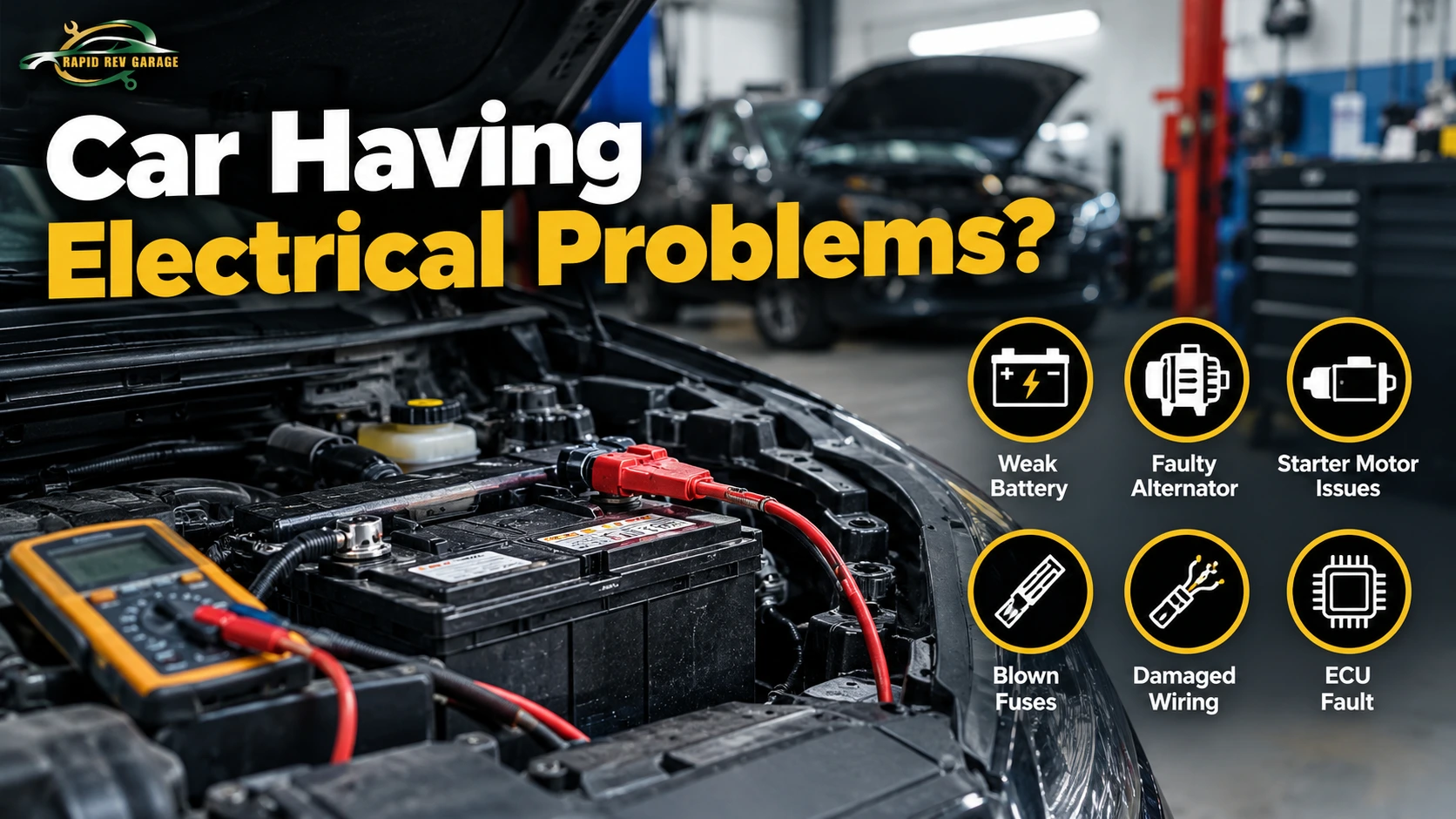
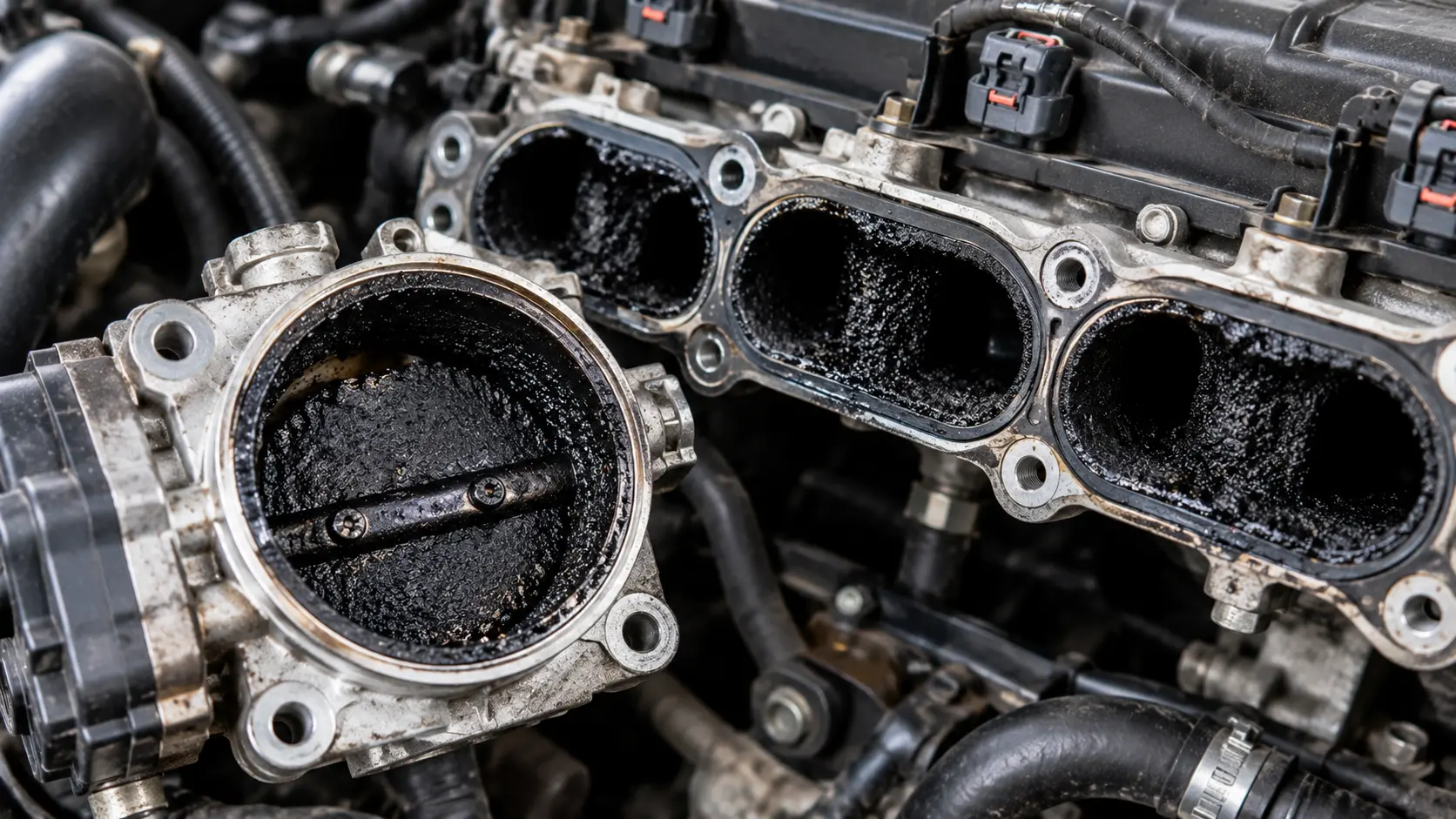
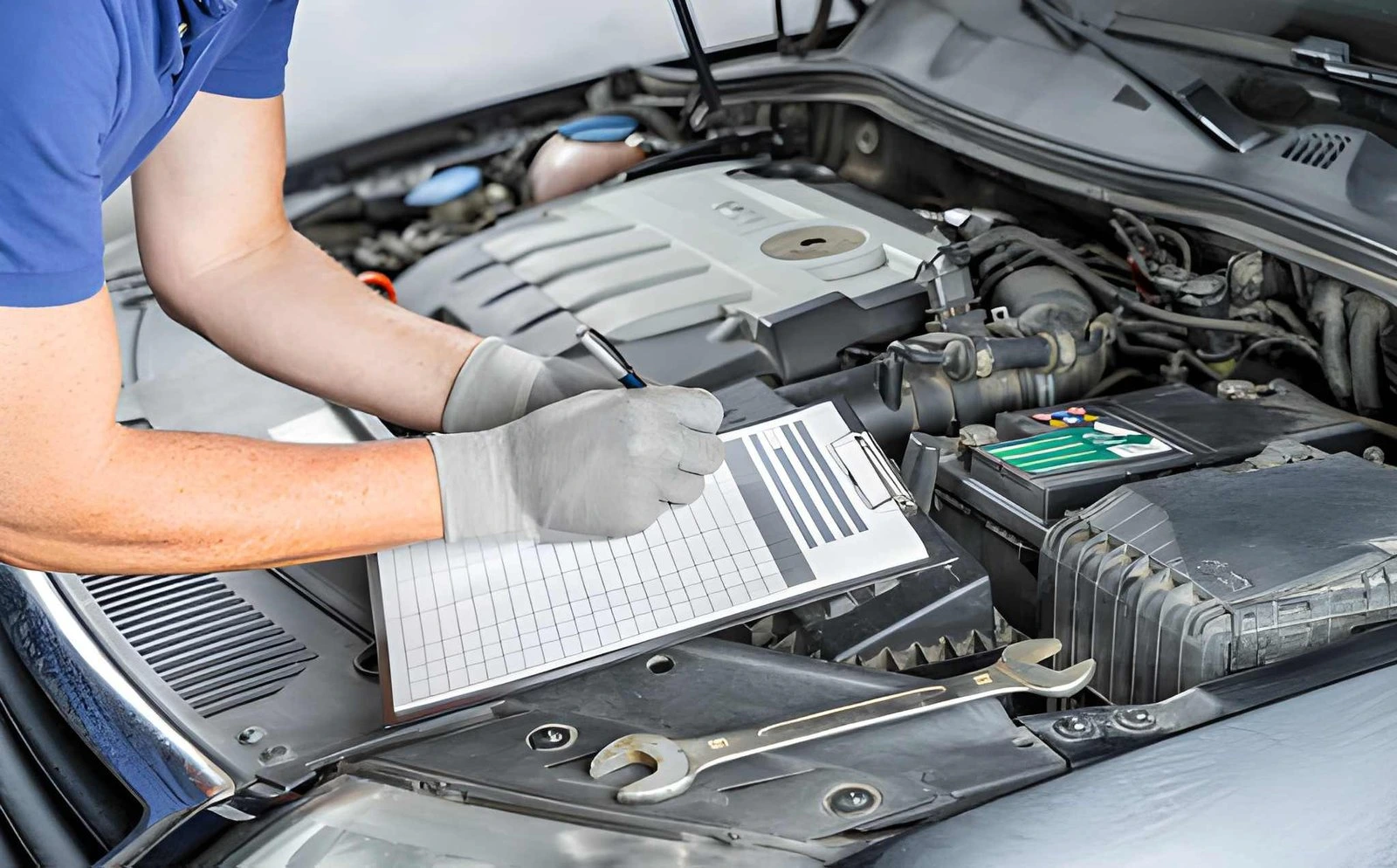
Engine bay inspection — coolant condition and concentration, evidence of oil leaks from valve covers, cam covers, or sump, auxiliary belt condition, battery age and terminal corrosion, hose condition for cracking and swelling, air intake system integrity, and visible signs of recent cleaning that might be concealing leaks.
Engine running checks — cold start behaviour, idle quality and stability, throttle response, unusual smoke from exhaust at idle and under load, coolant temperature stability at operating temperature, and oil pressure behaviour where the gauge or data is accessible.
Full diagnostic scan across all control units — this is non-negotiable in a proper pre purchase inspection Dubai. Every control unit in the car should be scanned for stored fault codes, not just current active faults. Cleared fault codes sometimes leave a shadow — a “fault code history” entry that a quality scanner picks up even after someone has cleared the live faults to hide an issue before sale. ABS faults, airbag faults, transmission faults, and suspension faults that have been cleared shortly before sale are a serious warning sign.
Transmission assessment — automatic, dual-clutch, or manual. Shift quality across all gear changes, torque converter behaviour on automatics, clutch engagement quality on manuals and DSGs, reverse gear smoothness, any hesitation or slip under load. A pre purchase inspection in Dubai on a car with a dual-clutch gearbox should specifically assess low-speed engagement — this is where wear shows up first on high-mileage DCT units.
Brake system inspection — pad thickness measurement, disc condition including scoring and runout, brake fluid condition and moisture content, handbrake effectiveness, and pedal feel. On vehicles with electronic parking brakes, proper actuation test using the diagnostic system.
Suspension and steering assessment — test drive over varied surfaces, road test at highway speed for vibration and pull, steering response and returnability, suspension noise assessment over Dubai’s inevitable speed bumps, and a visual inspection of all visible suspension components for wear, damage, and previous repair.
AC system performance check — vent temperature measurement, compressor clutch engagement quality, condenser condition, and refrigerant pressure. In Dubai, AC is safety equipment, not a comfort option. A failing compressor on a car you’ve just bought is an immediate AED 1,500–3,500 expense you don’t want.
Tyre condition and age — tread depth at multiple points, tyre age from the DOT code on the sidewall, uneven wear patterns that reveal alignment or suspension issues, and sidewall condition for cracking. Tyres over five years old in Dubai’s UV environment are a replacement item regardless of remaining tread depth.
The Faults That Pre Purchase Inspections Find Most Often in Dubai
After conducting hundreds of pre purchase inspections in Dubai, certain issues come up repeatedly. These are the ones that catch buyers most off guard because they’re not obvious in a test drive:
Hidden accident repairs — the most common serious finding. Cars that look clean at first glance regularly show paint depth inconsistencies across the bonnet, front quarters, or rear panels. Some repairs are cosmetic. Others involve structural repairs that were done adequately. A smaller number involve chassis damage that was never properly addressed — and those cars should be avoided entirely regardless of price.
Cleared fault codes on the gearbox or ABS — sellers who know what they’re doing clear fault codes before listing a car. But stored history remains accessible to proper diagnostic tools. A pre purchase inspection in Dubai that includes a full system scan with fault history retrieval catches this regularly.
A Land Cruiser came through for inspection recently. Clean presentation, reasonable price, seller cooperative and relaxed. The scan showed gearbox fault history entries that had been cleared within the previous two weeks — specifically, torque converter slip codes at high operating temperature. The seller had no explanation. The buyer walked away. Correct decision.
Coolant system issues from heat neglect — degraded coolant that’s been diluted with tap water rather than proper antifreeze mixture, thermostat housings with crack histories, and auxiliary water pump failure on certain European vehicles. None of these appear in a visual check. All of them show up in a proper pre purchase inspection Dubai assessment.
Worn suspension that masks itself on smooth roads — Dubai’s main roads are well-maintained, and a test drive on Sheikh Zayed Road won’t expose tired ball joints or worn subframe bushings. Put the car on a ramp and apply load to the suspension components manually, and the wear becomes immediately obvious. This is why the ramp inspection is not optional in a genuine pre purchase inspection in Dubai.
Battery age concealment — a battery replacement costs AED 250–600 depending on the vehicle. Some sellers replace batteries before sale to avoid the issue being raised. Others don’t, and the original battery’s age stamp reveals a unit that will fail within months of purchase. Check the battery date code.
AC system refrigerant loss — a system that cools adequately on a 30°C test drive morning may struggle badly when ambient temperature reaches 45°C in July. Proper refrigerant pressure testing during a pre purchase inspection Dubai reveals systems that are marginal rather than healthy.
How to Arrange a Pre Purchase Inspection in Dubai
The process is straightforward. You’ve found a car you’re interested in, you’ve done a preliminary viewing, and you want a professional assessment before committing.
The right approach: agree with the seller that you’ll be taking the car to a workshop for an independent pre purchase inspection in Dubai before finalising the purchase. Any seller who refuses this request is telling you something important. A seller with nothing to hide has no reason to object — the inspection protects both parties and confirms the car is what it’s represented to be.
Book the inspection with a workshop that has a proper ramp, multi-brand diagnostic capability, and experience with the type of vehicle you’re buying. Bring the service history if the seller has provided it. The inspection typically takes 60–90 minutes depending on the vehicle and what’s found.
For the inspection, use a qualified car mechanic who works on that type of vehicle regularly — not a generalist who services Corollas and has never looked underneath a W213 E-Class or a Range Rover Sport. The specific platform knowledge matters.
A garage near me in Al Quoz that conducts proper pre purchase inspections should provide you with a written report — not just a verbal summary. The report should document every system checked, findings on each, and a clear assessment of whether the car is recommended, recommended with conditions, or not recommended. Take that report seriously. It’s the most valuable AED 200–350 you’ll spend in the entire transaction.
What Happens If the Inspection Finds Problems
Finding faults during a pre purchase inspection Dubai doesn’t automatically mean walking away. It means you have information — and information gives you options.
Minor findings — worn wipers, low brake fluid, a marginal cabin filter, minor tyre wear — these are normal on a used car and reasonable to absorb into the purchase. Either negotiate the price down slightly or accept them as expected maintenance items.
Medium findings — brake pads at 30% life, a single tyre needing replacement, a minor coolant hose showing early cracking, a non-critical fault code — these are negotiation points. The cost of rectification should be reflected in the agreed price. A proper pre purchase inspection in Dubai report gives you the documented evidence to negotiate with rather than just a feeling that something’s off.
Serious findings — structural accident damage, gearbox fault history indicating ongoing mechanical issues, coolant system failure signs, significant oil leaks from major components, airbag fault codes that suggest deployed and improperly repaired systems — these change the decision entirely. Either the price needs to drop significantly to reflect the true cost of ownership, or the car needs to be passed on.
The key point: you cannot negotiate properly without the information. And you can’t get the information without a pre purchase inspection in Dubai. Going in blind means the seller has all the information and you have none — that’s not a negotiation, it’s a lottery.
A solid car service assessment at the same time can also show you what the car will need in the first six months of ownership — giving you a realistic total cost picture, not just the sticker price.
After the Inspection — First Service and Ongoing Maintenance
If the inspection clears the car and you proceed with the purchase, the inspection report becomes the foundation of your ownership record. Any items flagged as developing issues should be addressed in a scheduled sequence. A pre purchase inspection Dubai report that notes “front brake pads at 35% — monitor” tells you exactly when to book the brake service.
Most cars that pass a proper pre purchase inspection in Dubai with minor findings are good buys. They’re used cars — they’ll have some wear. The point of the inspection isn’t to find a perfect car. It’s to avoid buying a car with hidden serious problems at a price that doesn’t reflect its actual condition.
For vehicles that need paint correction, accident repair work, or cosmetic restoration identified during the inspection, professional car painting services handle colour-matched repairs properly — not the rushed touch-ups that sellers sometimes use to pass visual inspection.
When you’re on the road and need support between services, a qualified mobile car mechanic can handle battery issues, minor faults, and fluid checks on-site without a workshop visit. And for genuine roadside emergencies, proper roadside assistance ensures your newly purchased car is recovered safely if something unexpected happens early in ownership.
FAQ
How much does a pre purchase inspection in Dubai typically cost?
Most quality workshops charge AED 200–350 — modest against the cost of buying a car with hidden faults.
Can the seller refuse a pre purchase inspection in Dubai?
They can, but a refusal is a serious warning sign — any seller confident in their car's condition has no reason to object.
How long does a pre purchase inspection Dubai take?
Typically 60–90 minutes for a thorough inspection covering all major systems, ramp inspection, and full diagnostic scan.
Does a pre purchase inspection Dubai cover accident history?
Yes — paint depth measurement, panel alignment checks, and underbody inspection reveal previous accident repairs that aren't in the paperwork.
Is a pre purchase inspection worth it on cheaper used cars?
Absolutely — a AED 25,000 car with AED 8,000 in hidden repair needs is a worse buy than a AED 30,000 car that's genuinely clean.
Conclusion
A pre purchase inspection Dubai is the single most effective thing you can do to protect yourself in Dubai’s used car market. It converts an uncertain transaction into an informed one — and the cost of the inspection is trivial against what it can save you.
Rapid Rev Garage in Al Quoz conducts thorough pre purchase inspections for all makes and models, with full diagnostic scanning, ramp inspection, and written reports. Book your inspection on WhatsApp or find us on Google Maps.