Dubai’s used car market has specific risks that a proper car inspection service uncovers before purchase — resprayed accident damage, cleared fault history, odometer inconsistency across modules, grey import specification mismatches, and mechanical wear that looks fine on a test drive but shows clearly on a lift. Rapid Rev Garage in Al Quoz runs a full pre-purchase car inspection service covering all of these, with a written report before any decision is made.
The Car Looked Perfect. The Inspection Found Three Repainted Panels and a Stored Airbag Fault.
That’s not a hypothetical. It’s a pattern that repeats regularly in Dubai’s used car market.
A well-detailed car, fresh tyres, clean service book. Nothing in the listing suggests a problem. But a paint thickness gauge applied to the front quarter panel reads 380 microns where factory paint should read 110. A full diagnostic scan shows an airbag fault stored forty-seven times and cleared before listing.
A car inspection service done before purchase finds these things. A handshake and a test drive doesn’t.
Car Inspection Service in Dubai — What the Market Specifically Hides
Grey Imports — Gulf Spec vs Non-Gulf Spec
Dubai’s used car market includes a significant number of grey imports — vehicles brought in from the United States, Canada, Japan, or Europe rather than through the official UAE distributor.
Grey imports often look identical to Gulf-spec vehicles from outside. The differences are under the bonnet and in the specification sheet. A US-spec Toyota Land Cruiser has a different cooling system calibration to the Gulf-spec version. A Japanese-market Nissan Patrol has different suspension tuning. A Canadian-spec GMC Tahoe has different emissions equipment.
These differences matter for parts availability, service costs, and long-term reliability in UAE conditions. A car inspection service on a suspected grey import includes VIN verification against the manufacturer’s regional database, specification cross-check, and confirmation of whether the vehicle was homologated for UAE market sale.
A buyer came to us after purchasing a Land Cruiser that kept running hotter than expected in Dubai traffic. Inspection revealed it was a US-spec import with a standard-capacity radiator rather than the uprated Gulf-spec cooling system. Parts availability for the US-spec variant was limited locally. A car inspection service before purchase would have flagged this immediately.
Paint Thickness — Reading What the Respray Is Hiding
Factory paint on any vehicle sits within a consistent thickness range — typically 90–150 microns depending on manufacturer and colour. A single coat of primer plus paint plus clear coat produces a reading within that range across every panel.
A panel that was resprayed after an accident reads differently. Body filler adds significant thickness. Multiple repaint layers stack higher. A paint thickness gauge applied systematically across every panel produces a map of the vehicle’s repair history that no amount of detailing can disguise.
During a car inspection service at Rapid Rev Garage, we measure all painted panels — bonnet, roof, all four doors, front and rear quarters, and tailgate. A consistent reading across the car means original paintwork. An outlier on a single panel tells the buyer exactly where the repair happened.
A consistent reading on the doors but 340 microns on the front right quarter means a right-front impact repair. A high reading on the bonnet and front bumper area suggests a front-end collision. The paint thickness map tells the accident story that the seller doesn’t.
Fault History Scan — What Was Cleared Before the Sale
Clearing fault codes before listing a car is simple. Any OBD scanner with a clear function does it in thirty seconds.
What can’t be erased is the fault frequency counter that manufacturer-level diagnostic software retains. Every time a fault occurs and is stored, that occurrence is counted — even if the code is subsequently cleared. A fault code that’s been stored and cleared twenty-two times in six months tells a different story to a clean current scan.
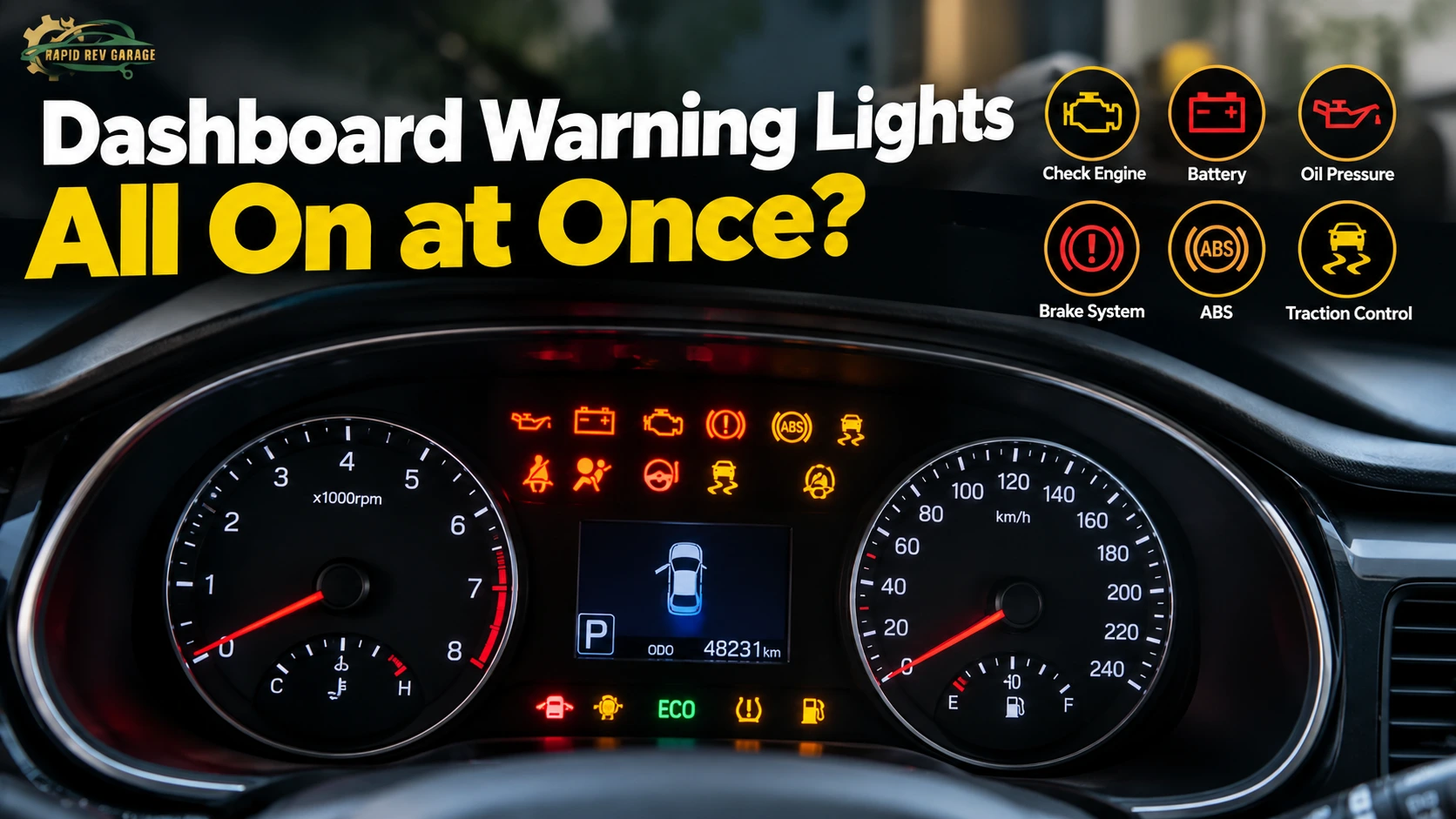
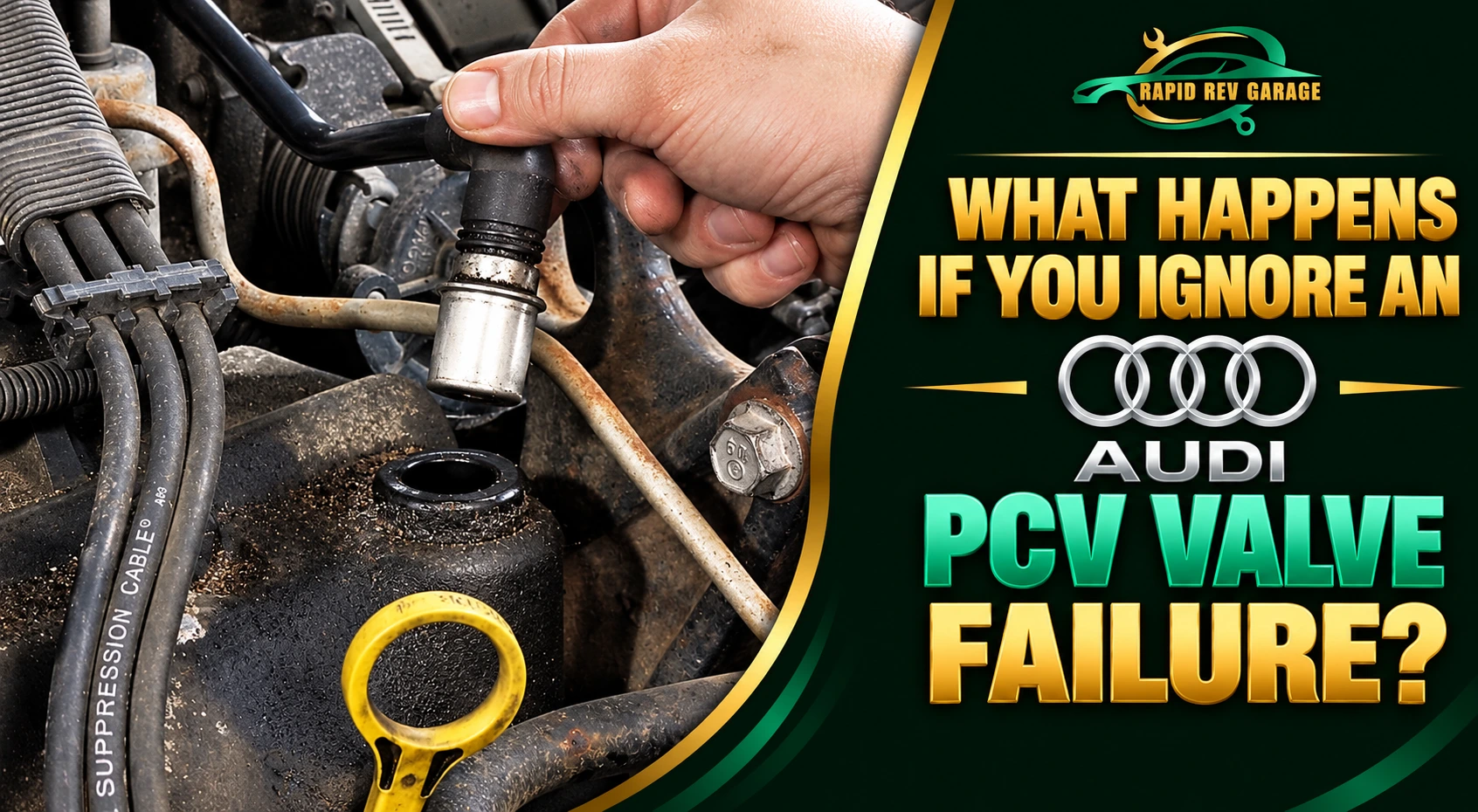
Our car inspection service uses brand-compatible diagnostic platforms — ISTA for BMW, XENTRY-compatible for Mercedes, ODIS for VW/Audi, Techstream for Toyota/Lexus, and equivalent platforms for other brands. We read current faults, pending faults, and fault frequency history across all modules — engine, transmission, ABS, airbag, body control, and chassis systems.
An airbag fault that’s been cleared repeatedly means the airbag system may not deploy correctly in a collision. A transmission fault that’s been cleared fifteen times means the gearbox problem wasn’t fixed — it was hidden. A car inspection service that reads fault history rather than just current faults is the difference between real information and a false clean bill of health.
Odometer Consistency — Detecting Tampered Mileage
Modern vehicles store odometer data in multiple locations — the instrument cluster, the ECU, the body control module, and in some cases the gearbox control unit. Each records mileage independently.
When a mileage is tampered with, the cluster reading changes but the other modules don’t always update consistently. A car inspection service using manufacturer-level diagnostics reads the mileage recorded in each module separately. If a vehicle’s cluster shows 60,000 km but the BCM shows 140,000 km, the discrepancy is visible immediately.
Dubai’s used car market, particularly in the private sale segment, has seen odometer tampering on high-demand models. A Nissan Patrol or Toyota Land Cruiser with genuinely low mileage commands a significant premium. The motive exists. A proper car inspection service checks whether the mileage is consistent.
Underbody and Chassis — the View Nobody Takes
Most buyers walk around a car at eye level. The underbody tells a completely different story.
Chassis rail damage from a significant impact is sometimes visible from underneath when it’s completely invisible from outside. Welded repair sections, bent subframe components, and replaced floor pan sections all show on a lift inspection. So does rust from beach-side parking or coastal storage — common on cars that have spent time in Abu Dhabi coastal areas or Fujairah.
During a car inspection service, every vehicle goes on the lift for a full underbody inspection — chassis rails, subframe mounts, suspension pickup points, floor pan, sills, and exhaust system. A car that’s had a major structural repair and been cosmetically restored looks perfect from the outside. From underneath, the repair history is visible.
Engine Assessment — Beyond the Test Drive
A test drive tells you the car feels acceptable. It doesn’t tell you what’s developing underneath.
A car inspection service engine assessment covers oil condition and level, coolant condition, cooling system pressure test, a visual inspection of all accessible gaskets and seals for weeping, air filter condition, and a compression test on petrol engines where mileage or symptoms warrant it.
Oil that’s black and thin at 8,000 km since the last service means the engine has been doing short-trip city driving without the oil reaching sustained operating temperature. Coolant that’s brown and depleted means the cooling system hasn’t been properly maintained. A weeping valve cover gasket on a high-mileage engine means an oil leak repair is imminent.
None of these show up on a test drive. All of them show up in a proper car inspection service.
Transmission Road Test — What to Feel For
A transmission assessment during a car inspection service isn’t just a drive around the block. It’s a structured test covering specific conditions.
Launch from a standstill — a healthy automatic engages smoothly with no shudder or hesitation. Low-speed gear changes in traffic — correct shifts with no hunting or jerking between gears. Light throttle at motorway speed — the torque converter locks cleanly with no shudder. Full throttle kickdown — the transmission drops gears immediately with no hesitation or slip.
A DSG or dual-clutch transmission gets a specific test for clutch shudder on light-load first gear pull-away — the earliest symptom of dry clutch wear on VW, Audi, Porsche, and Kia models. A ZF 8-speed gets checked for torque converter shudder at the 60–80 km/h lockup point.
Transmission faults in their early stages are perceptible to someone who knows what to feel for on a structured road test. They’re invisible to a buyer who’s never driven that model before.
Suspension and Tyre Inspection — What the Wear Pattern Reveals
Tyre wear is read before the car goes on the lift — the wear pattern across each tyre tells you what the suspension has been doing.
Wear on one shoulder only means camber is out. Wear across both shoulders with a good centre means the tyre has been chronically overinflated. Feathering across the tread blocks means toe misalignment. One-sided wear on one axle only means a suspension geometry fault on that corner.
On the lift, all four corners are physically checked — push-and-pull on each wheel to feel for ball joint and wheel bearing play, bushings checked visually and by feel, shock absorbers assessed for fluid weeping and damping resistance.
The car service packages at Rapid Rev Garage are built around the same inspection standards used in our pre-purchase car inspection service — physical verification, not just visual checks.
If you’ve bought a used car that needs mechanical attention, our car mechanic team handles all fault categories identified in the inspection in-house.
If the vehicle can’t be driven to our workshop, our roadside assistance covers Al Quoz and nearby Dubai areas.
For owners who need a technician at their location before the car moves, our mobile car mechanic covers Al Quoz, Business Bay, Jumeirah, and the Sheikh Zayed Road corridor.
Need bodywork addressed after the inspection? Our car painting team handles everything from minor touch-ups to full panel resprays with correct OEM paint codes.
And for buyers searching for a garage near me in Al Quoz to inspect a potential purchase, Rapid Rev Garage is accessible from every major Dubai residential area.
Frequently Asked Questions
What does a car inspection service check in Dubai?
Paint thickness, fault history scan, odometer consistency, underbody and chassis, engine and transmission assessment, suspension check, and tyre wear analysis.
Can a car inspection service detect cleared fault codes?
Yes — manufacturer-level diagnostics read fault frequency history that shows how many times each code was stored and cleared.
How do I detect a grey import in Dubai?
VIN verification against the manufacturer's regional database confirms whether the vehicle was sold through UAE distribution channels or imported independently.
How long does a pre-purchase car inspection service take?
Typically two to three hours including road test, lift inspection, diagnostic scan, and written report.
Can paint thickness measurement find accident repairs?
Yes — resprayed panels read significantly higher than factory paint thickness, revealing repairs that detailing completely conceals.
How much does a car inspection service cost at Rapid Rev Garage?
AED 400–600 depending on vehicle size and type — the most straightforward money a used car buyer in Dubai spends.
Book a Car Inspection Service at Rapid Rev Garage, Al Quoz
Rapid Rev Garage serves used car buyers across Al Quoz and nearby Dubai areas — Jumeirah, Business Bay, Downtown, Sheikh Zayed Road, Satwa, and surrounding neighbourhoods.
Pre-purchase car inspection service with a full written report, fault history scan, paint thickness map, and honest mechanical assessment — before you sign anything or transfer any money.
Buying a car this week and want to know exactly what you’re getting? Message us on WhatsApp to book your appointment — bring the car in or we’ll advise on how to arrange it with the seller.
📍 Find us on Google Maps — Al Quoz, Dubai.
Rapid Rev Garage — car inspection service specialists in Al Quoz, Dubai.