Why Is Your Engine Using More Fuel Right Now?
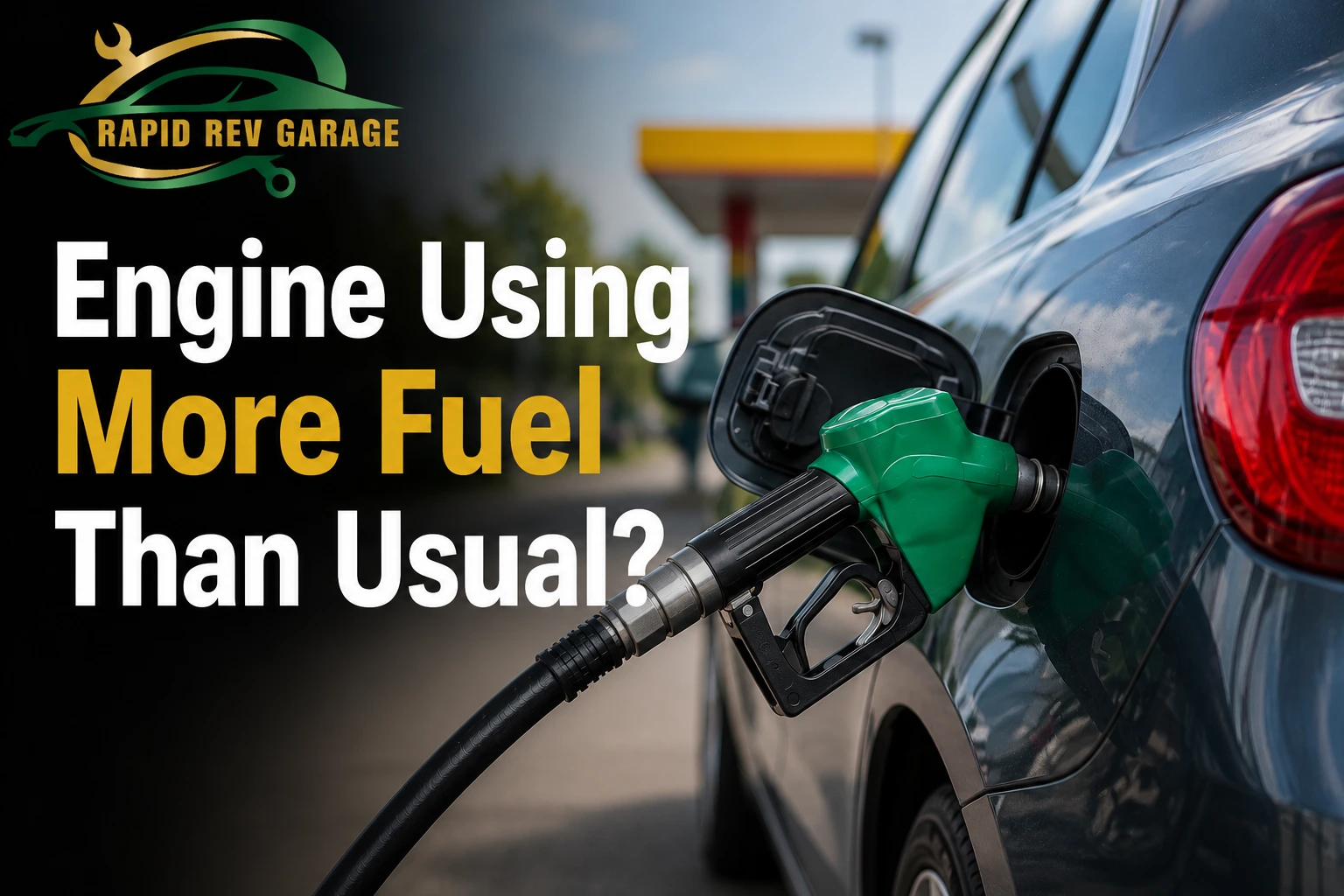
If your engine is using more fuel than it used to, the culprit is usually one of a handful of things: a clogged air filter, worn spark plugs, a failing oxygen sensor, low tire pressure, or a car that hasn’t been serviced in a while. Dubai’s heat makes all of these worse, since the AC and stop-start traffic push your engine harder than it would work in a milder climate. A car burning through fuel faster than normal isn’t something to shrug off — it’s usually your engine telling you something’s wearing out before it turns into a bigger, pricier repair. The good news? Most causes are quick to diagnose and even quicker to fix.
Table of Contents
- Problem Overview: What Fuel Consumption Actually Tells You
- Symptoms That Come Along With Poor Fuel Economy
- Common Causes Behind an Engine Using More Fuel Than Usual
- How Mechanics Diagnose the Problem
- What the Repair Process Actually Looks Like
- Risks of Ignoring It
- Can You Continue Driving on Bad Fuel Economy?
- How Long Does the Repair Take?
- What Affects the Cost of Fixing It?
- Prevention Tips to Keep Fuel Bills Down
- Dubai-Specific Advice for Heat, Sand, and Traffic
- Why Choose Rapid Rev Garage?
- Frequently Asked Questions
- Related Services
- Final Call-to-Action
Problem Overview: What Fuel Consumption Actually Tells You
Every car has a fuel economy baseline. Maybe yours does 12–13 km per liter around the city, or maybe it’s a bigger SUV that sips more. Either way, you know roughly what “normal” feels like — how often you’re stopping at the pump, how far a full tank usually gets you. So when your engine is using more fuel than that baseline for no obvious reason, it’s a signal worth paying attention to.
Fuel economy is basically a report card for how efficiently your engine is burning what you put in the tank. When something’s off — a sensor reading wrong, a filter that’s choking airflow, plugs that aren’t firing cleanly — the engine compensates by dumping in more fuel to keep running smoothly. You might not even notice a change in how the car drives. You’ll notice you’re filling up more often.
Symptoms That Come Along With Poor Fuel Economy
An engine using more fuel rarely shows up alone. Watch for these alongside it:
- Rougher idle or a slight shudder at traffic lights
- Reduced power on acceleration, especially pulling onto Sheikh Zayed Road
- A faint fuel smell near the exhaust
- The check engine light coming on.
- Black or sooty smoke from the tailpipe
- The car feels like it’s “working harder” than it should
If you’re noticing two or three of these together, it’s a stronger sign your engine using more fuel isn’t a one-off — it’s pointing to something specific that needs attention rather than just normal wear.
Common Causes Behind an Engine Using More Fuel Than Usual
There isn’t one single reason. Here’s what actually shows up most often on the ramp:
Clogged air filter. A dirty filter restricts airflow, and the engine compensates by burning more fuel to hit the right air-fuel mix.
Worn or fouled spark plugs. Old plugs fire less efficiently, which means unburned fuel gets wasted instead of turned into power.
Failing oxygen sensor. This sensor tells the engine how much fuel to inject. When it’s off, the computer often defaults to running rich — more fuel than necessary.
Low or uneven tire pressure. Underinflated tires increase rolling resistance, so the engine has to work harder to keep the car moving.
Dragging brakes. A sticking caliper creates constant resistance the engine has to fight against.
Old engine oil. Thick, degraded oil increases internal friction, quietly pushing fuel consumption up.
Fuel injector issues. Dirty or leaking injectors spray fuel inefficiently, wasting it rather than using it for combustion.
Excessive idling in traffic or AC use. Dubai’s stop-start roads and constant AC demand both add real, measurable load on the engine.
How Mechanics Diagnose the Problem
A good diagnosis is not guessing – it is a sequence. First, an OBD-II scan is done to get any stored fault codes, which usually point directly to the sensor or system that is at fault. Then a glance over: the condition of the air filter, oil level and color, tire pressure, and a quick once-over for noticeable leaks. The mechanic will typically inspect the condition of the spark plugs and evaluate the oxygen sensor readings under load. If nothing evident pops up, the next is a fuel pressure test and injector flow check. The step-by-step method prevents the temptation of swapping out parts based on a guess. This adds expense without solving the real problem.
What the Repair Process Actually Looks Like
Once the cause is confirmed, the fix is usually straightforward. Air filters are swapped in minutes. Spark plugs take a bit longer depending on engine layout but are still a same-day job. An oxygen sensor replacement is quick once it’s confirmed as the source. Tire pressure and brake drag get corrected on the spot. The more involved jobs — injector cleaning or replacement, deeper fuel system work — take longer because they require more careful testing before and after the repair to confirm fuel economy actually improves.
What Happens If You Ignore the Problem?
If you continue to operate a fuel-hungry engine as is, it will cost you more at the pump and compound. Rich-running engines foul spark plugs faster, can over time harm the catalytic converter, and leave carbon deposits that impact long-term performance. What begins as an AED 50 patch might lead to a AED 1,500+ catalytic converter replacement months down the road. It’s virtually always cheaper to ignore the early warning flags.
Can You Continue Driving on Bad Fuel Economy?
In most cases, yes — you can keep driving while poor fuel economy alone is the only symptom. It’s an inconvenience and an added cost, not usually an immediate safety issue. That said, if it’s paired with a check engine light, rough idling, or reduced power, it’s worth getting looked at sooner rather than later. Driving for weeks on a rich-running engine or a failing sensor increases the odds of secondary damage, so “can drive” doesn’t mean “should wait indefinitely.”
How Long Does the Repair Take?
Most of the common fixes — air filter, spark plugs, tire pressure, oil change — are completed within an hour or two. Oxygen sensor replacement typically takes around 1–2 hours as well. Fuel injector cleaning can be done in a few hours, while injector replacement or deeper fuel system diagnostics may take a full day, especially if parts need to be sourced for a specific make.
What Affects the Cost of Fixing It?
A few things move the price up or down: which part actually needs replacing, whether it’s a European, Japanese, or American make (parts pricing varies a lot), whether the issue was caught early or has already caused secondary damage, and labor time for more involved jobs like injector work. A simple air filter or spark plug swap is inexpensive. Oxygen sensors and injector work sit in the mid-range. Anything involving the catalytic converter climbs significantly — which is exactly why catching an engine using more fuel early matters.
Prevention Tips to Keep Fuel Bills Down
Most of the time, an engine using more fuel than it should is preventable with a bit of routine upkeep. A few habits go a long way:
- Stick to your manufacturer’s service intervals, not just “when something feels wrong”
- Check tire pressure monthly — Dubai’s heat affects it more than you’d expect
- Replace air filters on schedule, especially given the sand and dust here.
- Use quality fuel and avoid running the tank near empty regularly.
- Don’t ignore the check engine light, even if the car “feels fine”
- Get oil changed on time; old oil quietly costs you at the pump.
Dubai-Specific Advice for Heat, Sand, and Traffic
Dubai’s driving conditions aren’t kind to fuel economy. Sustained high temperatures mean the AC compressor is under near-constant load, which draws extra power from the engine. Fine desert sand and dust clog air filters faster than they would in cooler, drier climates elsewhere, which is one of the most common reasons cars here go through filters faster than expected. Add in stop-start traffic on routes like Al Khail Road or Sheik Zayed Road during peak hours, and you’ve got a combination that pushes fuel consumption up even on a mechanically healthy car. If you’re noticing your engine using more fuel and you drive these routes daily, it’s worth having your air filter and tire pressure checked more often than the standard interval suggests.
Why Choose Rapid Rev Garage to Diagnose High Fuel Consumption?
Rapid Rev Garage has spent years diagnosing exactly this kind of issue on cars across Dubai, and the team knows how the heat, sand, and traffic here specifically affect fuel consumption — not just what a textbook says. Instead of guessing at parts, technicians run a proper diagnostic first, so you’re not paying for a spark plug swap when the real issue is an oxygen sensor. Transparent pricing, genuine parts, and a workshop that explains what’s actually wrong before touching your car — that’s the difference. You can also book a mobile car mechanic if getting to a garage isn’t convenient right now.
Frequently Asked Questions
Q1: Why is my engine using more fuel all of a sudden?
A sudden change usually points to something specific and recent — a sensor fault, a dragging brake, or tires that lost pressure. Gradual increases are more often filters, plugs, or oil wearing down over time.
Q2: Can a dirty air filter really increase fuel consumption that much?
Yes. A heavily clogged filter can measurably increase fuel use because the engine has to work harder to draw in enough air for proper combustion.
Q3: Does AC usage really affect how much fuel my car burns?
Yes, especially in Dubai. Running the AC constantly adds real load on the engine, which is part of why fuel economy often feels worse here than in cooler climates.
Q4: Is it normal for fuel economy to drop in summer?
Some drop is normal because of AC load and heat, but a sharp or sudden drop usually means something else is also going on and is worth checking.
Q5: How much does it cost to fix an engine using more fuel than normal?
It depends entirely on the cause—anything from a low-cost filter change to a more involved injector or sensor repair. A diagnostic first is the only way to know for sure.
Related Services
If poor fuel economy is just one of several things bothering you about your car, Rapid Rev Garage also handles
Roadside assistance if you’re stuck somewhere, and
Car painting if your car needs cosmetic work alongside the mechanical fix.
Final Call-to-Action
An engine using more fuel than it should rarely fixes itself; it just gets more expensive the longer it’s left. If you’ve noticed more trips to the pump lately, book a diagnostic with Rapid Rev Garage and get a straight answer on what’s actually going on. Search “
garage near me” or book directly with car service in Dubai, whichever’s easier for you.
📍 Find us: Rapid Rev Garage on Google Maps
💬 WhatsApp: Chat with us now
🌐 Visit: rapidrevgarage.com