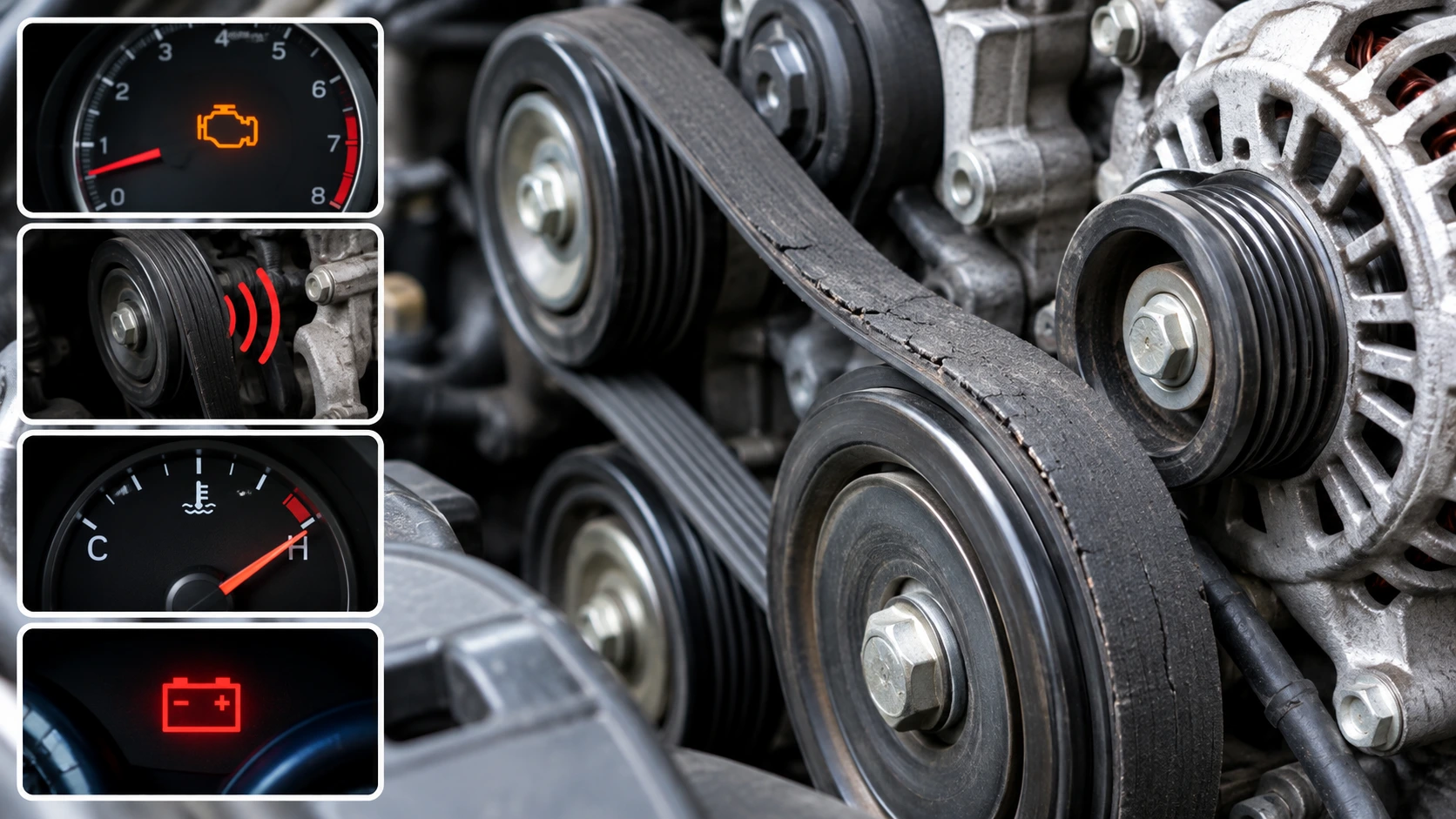
Seeing white smoke coming from my exhaust is never a good sign. It often means coolant is getting where it shouldn’t. This guide explains why it happens, what it means for your engine, and what to do next.
If you see white smoke coming from your exhaust, it normally indicates coolant is burning in the engine. This can happen with a blown head gasket, a broken cylinder head, or a leaking intake gasket. Condensation on a cool morning is usually just that, condensation, and nothing to worry about. Constant thick white smoke can mean coolant is leaking into the combustion chamber. A mechanic can diagnose the cause with a compression test and a coolant system check. If left untreated, it could cause catastrophic engine damage.
Table of Contents
- Problem Overview
- Signs and Symptoms
- Common Causes
- Diagnostic Process
- Repair Comparison
- Risks of Ignoring It
- Can You Keep Driving?
- Repair Time
- Cost Factors
- Prevention Tips
- Dubai-Specific Advice
- Why Choose Rapid Rev Garage
- FAQs
- Related Services
What Does It Mean When You See White Smoke From Exhaust?
White exhaust smoke happens when something other than fuel is burning inside your engine. Most of the time, that something is coolant.
Coolant runs through your engine to keep it cool. It should never mix with fuel or reach the combustion chamber. When it does, it burns off as white smoke coming from my exhaust and often smells sweet.
Signs and Symptoms of White Smoke Coming From My Exhaust
Not all white smoke means the same thing. These signs help tell them apart.
- Thin white smoke on a cold start, then clears up.
- Thick white smoke from exhaust that doesn’t go away
- Car blowing white smoke constantly, even when warm
- A sweet smell coming from the exhaust pipe
- Low coolant level with no visible leak on the ground
- Engine smoke that gets worse at higher RPM
- Rough idle along with the smoke
- Excessive white smoke after long highway drives
If you notice thick or constant smoke, it’s time to book a garage near me for a check.
What Causes White Smoke Coming From My Exhaust?
A few specific problems lead to this issue. Most involve coolant entering the combustion chamber.
Blown head gasket. The head gasket seals the engine block and cylinder head. When it fails, coolant can leak straight into the cylinders and burn off as smoke.
Cracked cylinder head. Extreme heat can warp or crack the cylinder head over time. This creates a path for coolant to burn inside the engine.
Cracked engine block. This is rarer but more serious. A crack lets coolant leak directly into a cylinder.
Leaking intake manifold gasket. On some engines, this gasket also seals a coolant passage. A failure here causes coolant to leak into the engine cylinders.
Faulty injector or condensation. On cold mornings, light white vapor is normal and clears fast. This isn’t a real problem and shouldn’t be confused with true exhaust smoke causes.
How Is White Smoke From Your Exhaust Diagnosed?
Diagnosis starts with inspecting smoke color, density, and smell. The mechanic also examines the coolant level and looks for evidence of a leak.
Compression test: Checks each cylinder’s compression. Low compression in a cylinder usually indicates a blown head gasket. A coolant system pressure test can identify slow leaks that are not immediately apparent. In some cases, a chemical test on the coolant reservoir checks for combustion gases, confirming coolant entering the combustion chamber.
This step-by-step process finds the real cause instead of guessing at a fix.
White Smoke Coming From My Exhaust: Repair Comparison
Use this table to compare common repairs for this issue.
| Repair Type | Common Cause | Typical Time | Relative Cost |
| Coolant top-up and leak check | Minor coolant leak | 1 hour | Low |
| Intake manifold gasket replacement | Leaking gasket | 3–5 hours | Moderate |
| Head gasket replacement | Blown head gasket | 1–2 days | High |
| Cylinder head repair or replacement | Cracked or warped head | 1–2 days | High |
| Engine block repair | Cracked block | 2–4 days | Very high |
Most cases of white smoke coming from my exhaust point to a head gasket or intake gasket issue. A cracked block is rare but the most costly to fix.
What Happens If You Ignore White Smoke From Your Exhaust?
Ignoring this problem rarely ends well. Coolant loss means your engine can overheat faster than normal.
An overheating engine can further warp the cylinder head, turning a moderate repair into a full engine rebuild. Coolant mixing with oil can also damage bearings and other engine parts. What starts as a gasket fix can turn into thousands of dirhams in engine damage.
Can You Keep Driving With White Smoke Coming From My Exhaust?
Thin smoke on a cold start is usually fine to drive through. But thick, constant white smoke is a different story.
This often means your engine is losing coolant fast and running hot, and continuing to drive risks overheating and permanent engine damage. If you see steam, smell coolant, or your temperature gauge climbs, pull over right away. Call roadside assistance instead of risking a breakdown or a blown engine on the road.
How Long Does It Take to Fix White Smoke From Exhaust?
Simple fixes such as a coolant top-up after a tiny leak take around an hour. Replacing an intake gasket is normally a half-day job.
A head gasket job takes longer, usually one to two days, because some of the engine has to be taken apart. Fixing a cracked block is the most involved. Sometimes it takes several days depending on parts availability.
What Affects the Cost of Fixing White Smoke From Exhaust?
Several factors shape your final bill.
- Root cause. A small gasket leak costs far less than a cracked head or block.
- Engine type. Some engines are harder to access, which raises labor cost.
- Parts availability. Imported or rare parts can add to wait time and cost.
- Extent of damage. Catching it early avoids more expensive engine repairs later.
- Labor hours. Head gasket jobs take skilled labor and more time.
Always get a written estimate before agreeing to any engine repair.
How to Prevent White Smoke Coming From My Exhaust
A few habits help avoid this problem altogether.
- Check coolant level every month, especially in summer.
- Watch for a rising temperature gauge and act early.
- Have your cooling system pressure-tested once a year.
- Don’t keep driving on a low coolant warning.
- Book regular car service Dubai checks that include cooling system inspection.
Catching a small coolant leak early is far cheaper than fixing a blown head gasket.
Dubai-Specific Advice for White Smoke From Exhaust
Dubai’s extreme summer heat puts real strain on cooling systems. Engines already run hotter here, so any coolant loss shows up faster than in cooler climates.
Stop-start traffic on busy roads also keeps engine temperatures high for longer stretches. Underground parking and constant AC use also add extra load on the cooling system. Because of this, Dubai drivers should check coolant levels more often than the standard service interval suggests.
If your car has passed 80,000 km and you notice white smoke, get it checked right away. Head gaskets wear out faster under Dubai’s driving conditions.
Why Choose Rapid Rev Garage for Car Engine Repair
Rapid Rev Garage in Al Quoz has hands-on experience diagnosing coolant and head gasket issues in Dubai’s climate. The team runs a full compression test and coolant system check before recommending any repair.
In most circumstances, the workshop will begin with the least intrusive fix, a gasket replacement, before moving on to greater engine jobs. This keeps your bill fair while also tackling the root problem. If you need to have your automobile checked, you can also use mobile car mechanics who come to your house or workplace.
If you want an honest diagnosis before you pay for any car engine repair, Rapid Rev Garage is a good option.
FAQs on White Smoke Coming From My Exhaust
Q1: Is white smoke from the exhaust always serious?
Not always. Thin smoke on a cold morning is usually just condensation. Thick or constant smoke is more concerning and needs checking.
Q2: Can I keep driving with white smoke coming from my exhaust?
Short distances with thin smoke are usually fine. Thick, ongoing smoke means you should get the car checked before driving further.
Q3: How much does it cost to fix a blown head gasket?
Cost depends on the engine and extent of damage. It’s one of the pricier engine repairs, so always get a written quote first.
Q4: What does it mean if my exhaust smoke smells sweet?
A sweet smell usually means coolant is burning inside the engine. This points to a leak somewhere in the cooling system.
Q5: Can low coolant cause white smoke?
Low coolant on its own doesn’t cause smoke. But the leak causing the low coolant, like a bad gasket, often does.
Related Services
Beyond exhaust and engine issues, Rapid Rev Garage also handles general repairs. Browse car mechanic near me for routine maintenance, or check out car painting near me if your car needs bodywork done at the same time.
Final Thoughts on White Smoke Coming From My Exhaust
White smoke coming from my exhaust is easier and cheaper to fix early. Watch for thick, constant smoke or a sweet smell, and don’t wait to get it checked. A small coolant leak now can turn into a costly head gasket job later.
Book a diagnostic check with Rapid Rev Garage today and keep your engine running safely.