If your Audi consuming too much oil, the cause may be an oil leak, worn piston rings, damaged valve seals or a crankcase ventilation system issue. Some Audi engines use a small amount of oil during normal operation. However, frequent top-ups, blue exhaust smoke or a low oil warning may point to a fault. Check your oil level on level ground and follow your owner’s manual instructions. Do not ignore repeated oil loss. A professional inspection can assist identify the problem and prevent engine damage. Rapid Rev Garage can help Audi owners in Dubai diagnose oil-related problems.
Table of Contents
- Problem Overview: Why Is Your Audi Losing Engine Oil?
- Symptoms: Signs Your Audi Is Using Too Much Oil
- Common Causes of High Oil Consumption
- Diagnostic Process: How Mechanics Find the Problem
- Repair Process: How to Fix Excessive Oil Consumption
- Risks of Ignoring the Problem
- Can You Continue Driving Your Audi?
- How Long Does Audi Oil Consumption Repair Take?
- Factors That Affect Repair Costs
- Prevention Tips for Audi Owners
- Dubai-Specific Advice for Audi Engine Care
- Why Choose Rapid Rev Garage for Audi Repair and Roadside Assistance?
- Frequently Asked Questions
- Related Services
- Final Call-to-Action
Problem Overview: Why Is Audi Consuming Too Much Oil?
Engine oil keeps moving parts lubricated. It also helps control heat and reduce friction inside the engine. Without enough oil, engine parts can wear out much faster.
Some oil use is normal. The amount depends on the engine, driving style, mileage and service condition. However, needing frequent oil top-ups may mean something is wrong.
If your Audi is consuming too much oil, start by checking the oil level and looking for signs of a leak. You may not always see oil on the ground. Oil can leak onto hot engine parts or burn inside the engine.
The problem can affect petrol and diesel Audi models. The exact cause depends on the engine type and its condition.
Finding the cause early can help you avoid costly repairs. It can also help keep your Audi reliable on Dubai’s busy roads.
Symptoms: Signs Your Audi Consuming Too Much Oil
Your Audi may show several signs when the engine starts losing oil faster than normal.
Look out for these common symptoms:
- Frequent oil top-ups: You need to add oil more often than expected.
- Blue or grey exhaust smoke: The engine may be burning oil.
- Oil spots under the car: A leak may be coming from the engine or oil system.
- Burning oil smell: Oil may be reaching hot engine parts.
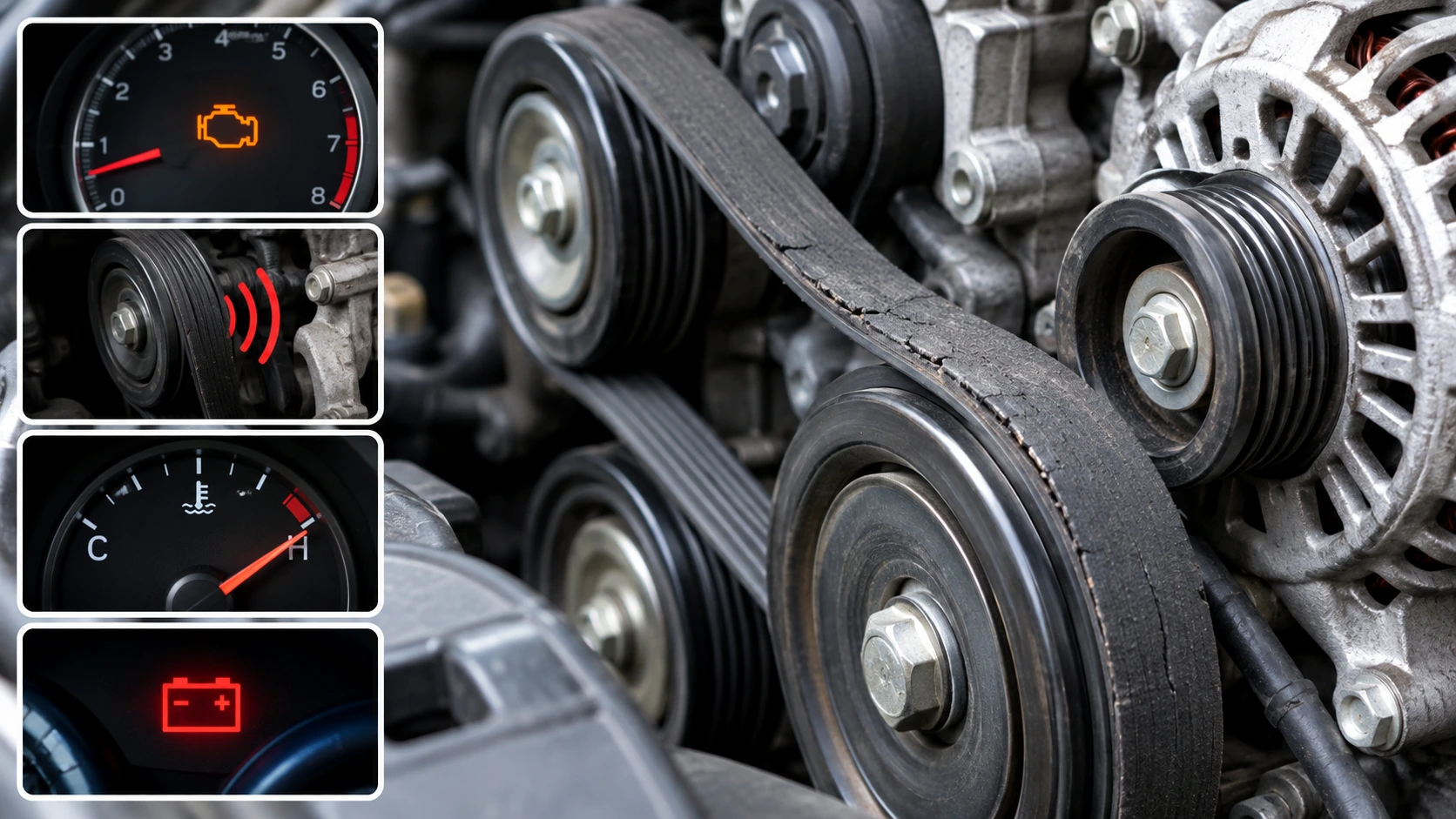
- Low oil warning: The dashboard may show that the oil level or pressure needs attention.
- Engine noise: Low oil levels can cause ticking, knocking or other unusual sounds.
- Oil around the engine: You may notice wet areas near seals, the oil filter or the engine cover.
If you observe any of these indicators, check the oil level as soon as it is safe to do so. If the red oil pressure warning appears, stop the engine when it is safe to do so. Don’t keep driving until you’ve checked the problem.
Common Causes of Audi Consuming Too Much Oil
Several faults can cause an Audi engine to use more oil than expected. Some are simple to fix, while others need major engine work.
1. Worn Piston Rings
Piston rings help seal the space between the pistons and cylinder walls. They also help control oil inside the engine.
When the rings wear out, oil enter the combustion chamber and burn with fuel. This can lead to blue smoke and falling oil levels.
A mechanic may need to carry out compression or leak-down tests to check the engine’s condition.
2. Damaged Valve Seals
Valve seals help stop oil from entering the combustion chambers through the valves.
If the seals wear or become damaged, oil may leak into the cylinders. Blue smoke may appear when you start the engine after it has been parked or under certain driving conditions.
The repair depends on the engine design and the extent of the damage.
3. External Engine Oil Leaks
Oil can escape through worn gaskets, seals, a loose filter or a damaged oil pan.
Common leak points include the valve cover gasket, oil filter housing and crankshaft seals. The exact locations vary by Audi model.
Repair a leak before the oil level drops too far. Adding more oil will not solve the problem.
4. Faulty Crankcase Ventilation System
The crankcase ventilation system helps manage gases and pressure inside the engine.
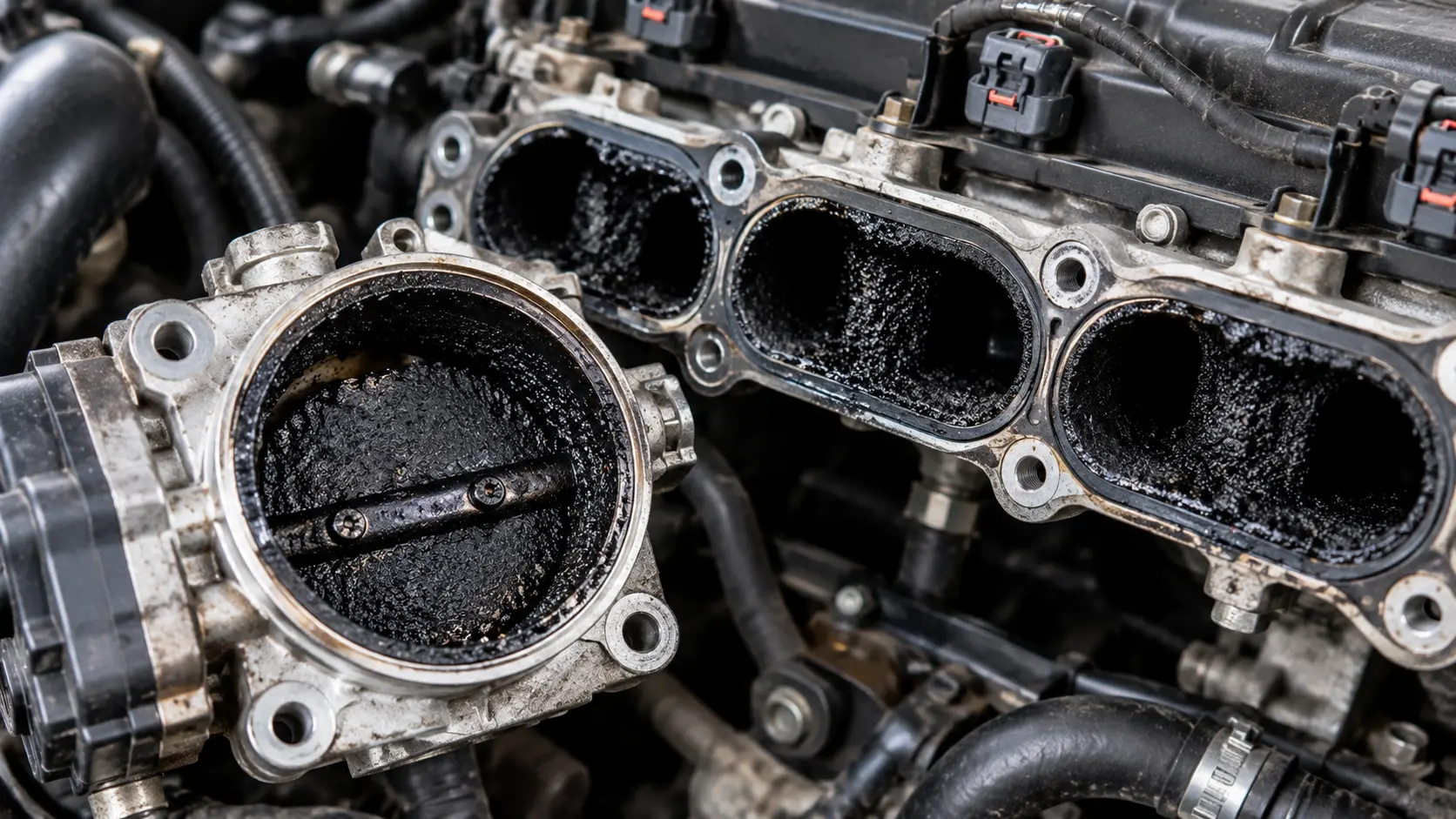
If a valve or related component fails, the system may allow too much oil vapor into the intake. This can increase oil consumption and sometimes cause rough idling or other engine symptoms.
A mechanic can inspect the system and test the relevant parts.
5. Turbocharger Problems
Some Audi engines use a turbocharger. Worn turbo seals or other turbo faults allow oil to enter intake or exhaust system.
You may notice blue smoke, reduced power or unusual turbo noises. However, these signs can have other causes, so you need testing before replacing the turbocharger.
6. Incorrect Engine Oil
Using oil with the wrong viscosity or specification may affect engine protection and oil use.
Audi engines can require specific oil approvals. Always check the owner’s manual or service information for your exact engine.
Do not choose engine oil based only on its brand or price.
7. High Mileage and Engine Wear
As an engine ages, seals, rings and other parts can wear down. This may increase oil consumption over time.
High mileage does not always mean the engine needs a rebuild. A proper inspection can help separate normal wear from a repairable fault.
Diagnostic Process: How Mechanics Find the Cause
A good diagnosis helps prevent unnecessary parts replacement. It also shows whether the engine is leaking oil or burning it internally.
A mechanic will usually follow these steps:
Step 1: Check the oil level and service history
The mechanic checks the current oil level and reviews how often you have needed to top it up. Recent oil changes and the type of oil used can also provide useful clues.
Step 2: Inspect for visible leaks
The mechanic checks the engine, oil filter area, sump and seals for signs of oil loss. Cleaning the affected area may help reveal a fresh leak.
Step 3: Check the exhaust
Blue smoke can suggest the engine is burning oil. The mechanic will consider when the smoke appears and whether other symptoms are present.
Step 4: Scan the engine system
A diagnostic scan can reveal related engine faults. However, a scan alone may not identify the exact cause of oil consumption.
Step 5: Test engine components
Depending on the symptoms, the mechanic may test the crankcase ventilation system, turbocharger, compression or cylinder sealing.
Step 6: Confirm the repair plan
Once the cause is clear, the mechanic can explain the repair options and expected cost.
If your Audi is consuming too much oil, this step-by-step approach can help you avoid paying for parts that do not need replacing.
Repair Process: How to Fix Excessive Oil Consumption
The correct repair depends on where the oil is going. No single fix works for every Audi engine.
Repair Oil Leaks
If a gasket, seal, filter housing or oil pan is leaking, the damaged part may need to be replaced. The mechanic should also check the oil level after the repair.
Replace Faulty Ventilation Parts
A faulty crankcase ventilation valve or related component may need repair or replacement. This can help restore proper pressure control and reduce oil entering the intake.
Repair Turbocharger Problems
If testing confirms a turbocharger fault, the repair may involve replacing or rebuilding the unit. The mechanic should also inspect oil supply and return lines where needed.
Address Internal Engine Wear
Worn piston rings or damaged valve seals may need more extensive work. The repair can take longer because you may need to remove engine parts to reach the damaged components.
Use the Correct Engine Oil
Always use oil that meets your Audi engine’s specifications. The correct oil supports proper lubrication and helps protect engine parts.
Do not use thicker oil or additives as a substitute for fixing a confirmed mechanical fault.
After repairs, monitor the oil level and follow the recommended service schedule. This helps confirm the problem is resolved.
Risks of Ignoring Excessive Oil Consumption
Low engine oil can cause serious damage. The risks grow when the engine continues to run without enough lubrication.
Ignoring the problem may lead to:
- Engine wear: Moving parts may rub together without proper lubrication.
- Overheating: Poor lubrication can increase friction and heat.
- Turbocharger damage: Turbo bearings rely on a steady supply of clean oil.
- Damage to internal parts: Severe oil loss can damage bearings, pistons and other components.
- Exhaust system problems: Burning oil can damage emissions components over time.
- Engine failure: Very low oil levels or oil pressure can lead to major engine damage.
Repairing a small leak early is often less costly than repairing an engine damaged by oil starvation.
Can You Continue Driving Your Audi?
It depends on the oil level, the warning shown and how the engine behaves.
If the oil level is within the correct range and there are no serious warning signs, you may be able to drive a short distance to a garage. Arrange an inspection soon if the oil level keeps dropping.
Stop driving and switch off the engine when safe if:
- The red oil pressure warning appears.
- You hear loud knocking or grinding.
- The engine starts overheating.
- Heavy blue smoke comes from the exhaust.
- A major oil leak is visible.
- The engine suddenly loses power or runs very roughly.
Don’t assume adding oil makes every situation safe. If the engine has low oil pressure, it may still be damaged even after you top it up.
If your Audi becomes unsafe to drive, contact roadside assistance. Recovery is safer than risking further engine damage on a busy Dubai road.
How Long Does Audi Oil Consumption Repair Take?
Repair time depends on the cause and how easy the affected parts are to reach.
A basic inspection or simple leak repair may take a few hours. Replacing a gasket or ventilation component can take longer, depending on the engine design.
Turbocharger repairs may require extra checks and parts. Internal engine repairs, such as replacing piston rings, can take several days or more.
Parts availability and the garage’s workload also affect the schedule. Ask for an estimate after the initial diagnosis rather than relying on a general time estimate.
Factors That Affect Audi Oil Consumption Repair Costs
Repair costs vary by Audi model and engine type. The cause of the oil loss is the main factor.
Several things can affect the final bill:
- Fault type: A leaking gasket usually requires less work than internal engine repairs.
- Parts required: Seals, ventilation valves, turbochargers and engine components have different prices.
- Labor time: Hard-to-reach parts can increase labor costs.
- Engine design: Different Audi engines require different repair methods.
- Extra damage: Low oil levels may cause damage beyond the original fault.
- Parts choice: Genuine and suitable aftermarket parts may have different prices.
- Diagnostic work: Some faults need additional testing before the repair can begin.
Ask for a clear estimate that separates parts, labor and any extra work. This makes it easier to understand why Audi Consuming Too Much Oil and repair before approving it.
Prevention Tips for Audi Owners
You cannot prevent every engine fault, but regular care can help reduce the risk of excessive oil use.
Follow these simple tips:
- Check the oil level regularly: Follow the method in your owner’s manual.
- Use the correct oil: Choose the approved specification for your exact engine.
- Follow service intervals: Replace engine oil and filters on schedule.
- Fix leaks early: Do not wait for the low oil warning to appear.
- Watch for exhaust smoke: Blue smoke may indicate that oil is burning.
- Monitor oil use: Keep a record of how often you top up the engine.
- Pay attention to warning lights: Stop safely if the oil pressure warning appears.
- Check for unusual noises: Ticking or knocking may indicate a lubrication problem.
If Audi Consuming Too Much Oil suddenly, arrange an inspection. A change in oil use can be an early sign of a developing fault.
Dubai-Specific Advice for Audi Engine Care
Dubai’s hot weather and heavy traffic can place extra demands on an engine. Long periods of idling and frequent stop-start driving can also affect operating conditions.
Good oil care is especially useful if you often drive in traffic or take long highway trips.
Here are some practical tips for Audi owners in Dubai:
- Check your oil before long journeys.
- Follow the correct service schedule for your engine and driving conditions.
- Watch for oil smells after driving in hot weather.
- Park on a clean surface to help spot fresh leaks.
- Do not ignore warning lights during summer traffic.
- Keep the correct engine oil available for a safe top-up when needed.
If your Audi needs frequent oil top-ups, visit a trusted garage for a proper check. Rapid Rev Garage can help you investigate Audi Consuming Too Much Oil and engine concerns in Dubai before they become more serious.
Why Choose Rapid Rev Garage for Audi Repair and Roadside Assistance?
Finding the cause of Audi Consuming Too Much Oil is important for protecting your Audi’s engine. A quick top-up may help restore the oil level, but it will not repair a leak or worn engine part.
Rapid Rev Garage is an option for Audi owners in Dubai who need help with engine checks, oil leaks and related why Audi Consuming Too Much Oil.
When choosing a garage, look for a team that can:
- Inspect the engine for oil leaks.
- Check the crankcase ventilation system.
- Test related engine and turbocharger components.
- Explain the likely cause before replacing parts.
- Provide a clear repair estimate.
- Check oil levels and engine operation after the repair.
If your Audi shows a red oil pressure warning or makes unusual engine noises, do not keep driving to reach a workshop. Instead, ask about roadside assistance or vehicle recovery.
Rapid Rev Garage can help you decide what checks you may need and guide you to the right repair for your vehicle.
Frequently Asked Questions
1. Why is my Audi consuming too much oil?
Common causes of Audi Consuming Too Much Oil include worn piston rings, damaged valve seals, oil leaks, a faulty crankcase ventilation system or turbocharger problems. The cause depends on the engine and its condition.
2. Is it normal for an Audi to use engine oil?
Some oil use can be normal, depending on the engine and driving conditions. However, frequent top-ups or a sudden increase in oil use should be checked by a mechanic.
3. Can low engine oil damage my Audi?
Yes. Low oil can reduce lubrication and increase friction. Severe oil loss or low oil pressure can damage internal engine parts and may lead to engine failure.
4. Why does my Audi produce blue smoke from the exhaust?
Blue smoke often means engine is burning oil. Possible causes include worn piston rings, damaged valve seals or a turbocharger fault. A mechanic should confirm the cause.
5. Can I drive my Audi if the oil level keeps dropping?
It is best to arrange an inspection as soon as possible. Check the oil level safely and follow your owner’s manual. If the red oil pressure warning appears or the engine makes loud noises, stop driving and seek assistance.
Related Services
If your Audi Consuming Too Much Oil, these services may help:
- Audi engine diagnostics
- Engine oil leak inspection and repair
- Engine oil and filter replacement
- Crankcase ventilation system repair
- Turbocharger inspection and repair
- Engine compression testing
- Cooling system inspection
- Battery and electrical diagnostics
- Roadside assistance and vehicle recovery
Choose the service that matches the confirmed cause of Audi Consuming Too Much Oil.
Final Call-to-Action
If your Audi needs frequent oil top-ups, do not ignore the signs. A small leak or worn component can become a bigger problem if the engine keeps losing oil.
Check why Audi Consuming Too Much Oil, watch for smoke or leaks and arrange a professional inspection if the problem continues. Early diagnosis can help protect your engine and reduce the risk of expensive repairs.
For Audi engine checks and repair support in Dubai, contact Rapid Rev Garage. Get the cause checked before it leads to more serious damage.
Find Rapid Rev Garage on Google Maps: