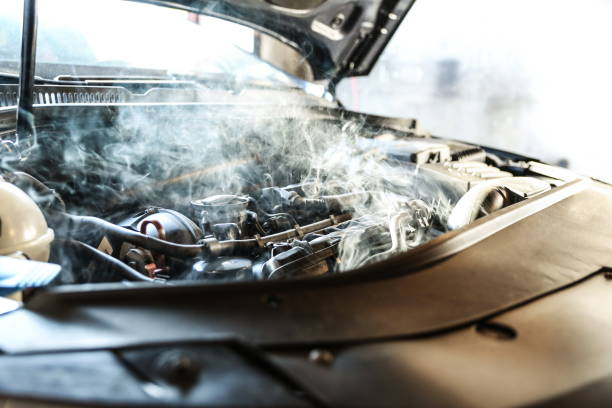
One of the most critical vehicle concerns drivers might experience, especially in Dubai’s intense environment, is car overheating. Operating an engine outside the typical temperature range puts too much stress on internal components, leading to costly repairs, decreased performance, and outright engine failure.
Many drivers don’t heed the first warnings until steam is gushing from the hood or the temperature gauge is in the red. And by then, it may be too late to do any major damage control.
Understanding why a car overheats, how to identify the symptoms, and what actions to take immediately can help protect your engine and reduce repair costs. A good cooling system is vital for keeping your car reliable if you are driving in Dubai traffic, long distances on the highway, or in temperatures that hit over 45 degrees Celsius in the summer.
This guide explains what drivers need to know about engine overheating, cooling system failures, emergency responses, and prevention strategies.
Understanding How the Engine Cooling System Works
Before diagnosing car overheating, it is important to understand how your cooling system functions.
The engine produces a large amount of heat in the process of combustion. Without an efficient cooling system, the engine temperature would exceed the acceptable operating limit in a matter of minutes.
The cooling system is comprised of:
- Radiator
- Coolant (antifreeze)
- Water pump
- Thermostat
- Cooling fans
- Radiator hoses
- Coolant reservoir
- Temperature sensors
These components work together to regulate engine temperature and prevent the car from overheating under normal driving conditions.
When one or more of these components fail, heat begins to accumulate inside the engine, leading to overheating.
Car Overheating – The Most Common Causes Every Driver Should Know
Several mechanical issues can cause a car to overheat. Understanding the root cause is essential for proper diagnosis and repair.
Low Coolant Levels
Low coolant remains one of the leading causes of car overheating.
The engine gets hot. The coolant absorbs the heat. The radiator dissipates the heat. If the coolant level is lowered by evaporation, leakage, etc., then the system is no longer able to regulate the temperature efficiently.
Common signs include:
- Rising temperature gauge
- Coolant warning light
- Visible coolant puddles
- Sweet smell from the engine bay
Coolant Leaks
A coolant leak can occur from:
- Radiator hoses
- Water pump seals
- Heater core
- Radiator tanks
- Coolant reservoir
- Head gasket
Even a minor leak can gradually cause severe overheating in a car if left unrepaired.
Faulty Thermostat
The thermostat controls coolant circulation between the engine and radiator.
The engine gets hot. The coolant absorbs the heat. The radiator dissipates the heat. If the coolant level is lowered by evaporation, leakage, etc., then the system is no longer able to regulate the temperature efficiently.
Water Pump Failure
The water pump is responsible for circulating coolant throughout the cooling system.
A damaged impeller, a worn bearing, or a leaking pump can restrict coolant flow and cause dangerous overheating.
Symptoms include:
- Coolant leaks
- Grinding noises
- Engine temperature spikes
- Steam from the engine bay
Radiator Problems
The radiator removes heat from the coolant.
Common radiator issues include:
- Internal barriers
- Outside Dirt Accumulation
- Corrosion,
- Leakages
- Cooling fins damaged
A blocked radiator will greatly limit the effectiveness of heat dissipation and can cause the car to overheat.
Cooling Fan Failure
Radiator fans become especially important in Dubai traffic, where airflow is limited.
When fans stop functioning due to:
- Blown fuses
- Faulty relays
- Damaged motors
- Electrical issues
The engine may overheat while idling or moving slowly.
Many drivers only realise their car is overheating when they’re delayed in traffic, not while they’re going at highway speeds. This is usually a sign of a cooling fan failure.
Damaged Radiator Hoses
Radiator hoses transport coolant between system components.
Over time, hoses can:
- Crack
- Swell
- Collapse internally
- Develop leaks
Restricted coolant flow often leads to temperature spikes and engine stress.
Engine Oil Problems
Many drivers do not realize that engine oil plays a significant role in heat management.
Low oil levels increase friction between internal engine components, leading to increased heat generation.
Poor-quality or degraded oil can accelerate car overheating and engine wear.
Blown Head Gasket
A blown head gasket is among the most expensive overheating-related repairs.
Signs include:
- Exhaust white smoke
- Coolant leak
- Milky engine oil
- Engine misfires
- Continuous over-temperature
Failure of the head gasket can allow combustion gases into the cooling system, which can lead to continued temperature problems.
Car Overheating Warning Signs You Should Never Ignore
Recognizing warning signs early can prevent catastrophic engine damage. Focus first on symptoms that require immediate action.
Watch for:
Temperature Gauge Rising
The first indicator of car overheating is often a temperature gauge moving beyond its normal range.
Steam From Under the Hood
Steam indicates that the coolant is boiling due to excessive temperatures.
Pull over immediately if steam becomes visible.
Engine Warning Lights
Modern vehicles often display:
- Temperature warning light
- Engine check light
- Coolant system messages
Now we must take such warnings seriously.
Burning Smells
A burning odor may indicate:
- Coolant leakage
- Overheated engine oil
- Damaged electrical components
Reduced Engine Performance
When a vehicle overheats, many vehicles enter limp mode to protect internal engine components.
Why Car Overheating Is More Common in Dubai
Dubai presents unique challenges for vehicle cooling systems.
Factors include:
Extreme Temperatures
Summer temperatures place additional stress on cooling components.
Heavy Traffic
Stop-and-go driving reduces airflow through the radiator.
Continuous Air Conditioning Use
The AC system adds thermal load to the engine compartment.
Long-Distance Driving
Extended highway driving during peak temperatures can expose weaknesses in aging cooling systems.
This is why regular inspections are essential for preventing car overheating in Dubai.
What To Do Immediately When Your Car Starts Overheating
If you notice the car overheating, follow these steps:
Step 1: Turn Off the AC
Reducing engine load can help lower temperatures.
Step 2: Turn On the Heater
Although uncomfortable, the heater removes heat from the engine.
Step 3: Pull Over Safely
Stop the vehicle as soon as possible.
Step 4: Shut Down the Engine
Continuing to drive can result in severe damage.
Step 5: Wait for Cooling
Never open the radiator cap while the engine is hot.
6: Inspect for Leaks
Look underneath the vehicle for coolant leaks.
Step 7: Call Roadside Assistance
If the cause is unclear or the engine continues overheating, professional help is the safest option.
When Should You Search for a Garage Near Me?
Many drivers delay repairs after their cars overheat.
You should immediately search for a garage near me if:
- Temperature warnings appear repeatedly.
- Coolant leaks are visible.
- Steam comes from the engine bay.
- Engine performance decreases
- Cooling fans stop operating.
Prompt diagnosis often prevents expensive engine rebuilds.
When Should You Search for a Mechanic Near Me?
A professional mechanic near me should inspect your vehicle if:
- Coolant levels keep dropping.
- The radiator requires repair.
- The thermostat needs replacement.
- The water pump fails.
- The engine overheats despite coolant refills.
Certified technicians can identify root causes before major damage occurs.
The Importance of Roadside Assistance During Overheating Emergencies
Many drivers underestimate the importance of roadside assistance.
Benefits include:
- Breakdown assistance on the spot
- Recover the car safely
- Minimised danger of engine damage
- Professional evaluation
- Effortless towing services
A small repair can easily turn into a significant engine replacement while trying to drive a hot engine.
Preventing Car Overheating: Maintenance Checklist
Follow these preventive measures:
Monthly Checks
- Coolant level inspection
- Hose inspection
- Radiator inspection
Every Service Interval
- Cooling system pressure test
- Thermostat inspection
- Cooling fan testing
Every 40,000–50,000 KM
- Coolant flush
- Cooling system cleaning
- Radiator maintenance
These practices significantly reduce the likelihood of a car overheating.
Why Rapid Rev Garage Is Your Go-To Destination in Dubai
When dealing with cooling system issues, accurate diagnosis matters more than temporary fixes.
Rapid Rev Garage provides:
- Engine overheating diagnostics
- Radiator repair and replacement
- Water pump replacement
- Thermostat repair
- Cooling fan diagnostics
- Coolant leak detection
- Emergency breakdown support
- Professional roadside assistance
- Preventive maintenance services
The workshop is based in Dubai and specialises in finding the real reason for the overheating and not wasting parts.
Whether you have a coolant leak, radiator clog, broken thermostat or you are sick of that engine temperature warning light, our experts can get your cooling system back to factory standards.
Frequently Asked Questions
Q1: Why is my car overheating, but the coolant is full?
A stuck thermostat, a failing water pump, a blocked radiator, a faulty cooling fan, or a head gasket problem can cause overheating even when coolant levels appear normal.
Q2: Can low engine oil cause overheating?
Yes. Engine oil helps dissipate heat and reduce friction. Low oil levels can contribute to overheating.
Q3: Is it safe to drive an overheating car?
No. Driving while overheating can cause severe engine damage, including warped cylinder heads and blown head gaskets.
Q4: Why does my car overheat in traffic but not on the highway?
This often indicates a cooling fan problem, as airflow is reduced at low speeds.
Q5: How long should I wait before opening the hood?
Wait at least 15–30 minutes and ensure temperatures have dropped before inspecting the engine bay.
Conclusion
Car overheating is never a problem to ignore. What could appear to be a small coolant leak or a thermostat problem can soon turn into a big engine problem if not caught early. Knowing the warning signals, knowing the usual reasons, and responding fast can save you thousands of dirhams in repair costs and extend the life of your vehicle.
For Dubai drivers, frequent cooling system checks are especially vital, given the intense heat and difficult driving conditions. If you observe any of these symptoms, have your vehicle checked by a qualified mechanic as soon as possible. Increased engine temperature, Coolant loss, Steam from under the hood, Recurring warning lights
Call Rapid Rev Garage immediately for a complete engine cooling system check, radiator diagnosis, coolant leak detection and emergency roadside assistance service to help protect your car from costly overheating damage before it becomes a major engine repair.
For further assistance?
Visit us at our Al Quoz, Dubai branch,
Find us on Google Maps: https://maps.app.goo.gl/axPzrssQD8tA4b759