If your steering feels heavy after rain, do not ignore it. Heavy steering can happen when water affects the drive belt, power steering system, or electric steering parts. A wet or slipping belt may temporarily reduce steering assistance. A damaged connector or steering component can also cause the problem. If the steering becomes very hard, an EPS warning light appears, or the wheel suddenly goes heavy while turning, stop driving when it is safe. For minor symptoms, drive slowly to a trusted workshop for inspection. If steering control feels unsafe, call roadside assistance instead.
Table of Contents
- Problem Overview
- Symptoms to Watch For
- Common Causes
- Diagnostic Process
- Repair and Service Process
- Risks of Ignoring the Problem
- Can You Continue Driving?
- Repair and Service Time
- Cost Factors
- Estimated Repair Cost
- Prevention Tips
- Dubai-Specific Advice
- Why Choose Rapid Rev Garage for Power Steering Repair in Dubai?
- FAQs
- Related Services
- Final CTA
Problem Overview: Why Heavy Steering After Rain Needs Attention?
Rain can expose problems that were already developing in your car.
A small amount of water normally should not make steering difficult. Modern steering systems are designed to work in wet conditions. However, water can reach belts, connectors, electrical parts and steering components when something is worn or missing.
For example, a damaged splash shield can allow water to reach the belt area. A worn drive belt can then slip when it becomes wet. On some cars, this can reduce power steering assistance.
Other vehicles use electric power steering. These systems do not depend on a traditional power steering pump. They use motors, sensors, wiring and electronic control units. Water entering a connector can cause corrosion or an electrical fault.
This means the problem should be checked instead of simply waiting for the rain to stop.
Symptoms to Watch For When Steering Feels Heavy After Rain
Pay attention to how the steering behaves. The exact symptoms can help a mechanic find the source faster.
Use this checklist to assess the steering issue:
✅ Check whether the steering becomes harder to turn after rain.
✅ Test if the steering feels stiff at low speeds.
✅ Notice whether the steering wheel becomes heavy while turning.
✅ Listen for belt squealing after driving through water.
✅ Check if the power steering cuts out for a few seconds.
✅ Look for an EPS warning light on the dashboard.
✅ Check whether the steering returns to normal after the car dries.
✅ Note if the problem occurs after a car wash.
✅ Inspect for water around the belt or engine bay.
✅ Test whether the steering feels uneven when turning left or right.
A steering feels heavy after rain problem that disappears when the car dries can still point to a wet belt, poor belt tension, water entry, or an electrical connection issue.
Symptom Comparison
| What you notice | Possible cause | Driving advice |
|---|---|---|
| Heavy steering only after water | Wet or slipping belt | Get it checked soon |
| Belt squealing | Belt slipping or worn tensioner | Avoid unnecessary driving |
| EPS light appears | Electric steering fault | Inspect before normal driving |
| Steering suddenly becomes very hard | Loss of steering assistance | Stop safely and seek help |
| Heavy steering after car wash | Water entering belt or electrical area | Have the system inspected |
| Steering becomes heavy with engine noise | Belt or power steering issue | Avoid long-distance driving |
Common Causes of Steering Feels Heavy After Rain
Several faults can create this problem. The most likely cause depends on your vehicle’s steering design.
1. Water on the Serpentine Belt
On vehicles with belt-driven power steering, water can reach the serpentine belt. If the belt is old or has poor tension, it may slip when wet. This can affect the power steering pump.
You may hear squealing at the same time.
2. Missing Splash Shield or Lower Belly Pan
A missing or damaged splash shield leaves important engine parts more exposed. This can allow water to spray directly onto the belt system.
A missing lower belly pan can create a similar problem. It may also allow road dirt and water to reach electrical connectors.
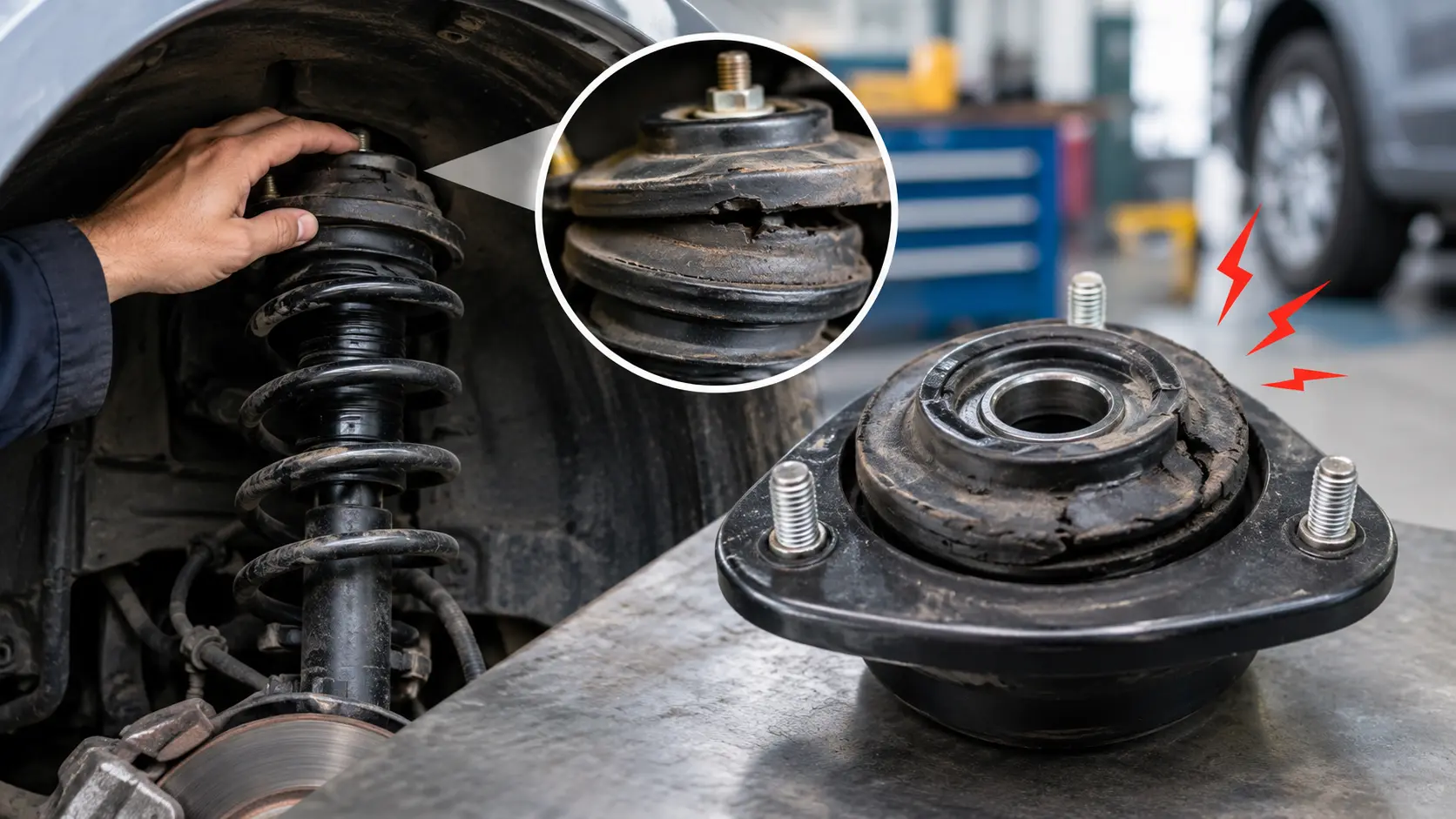
3. Worn Drive Belt Tensioner
The tensioner keeps the drive belt tight. When the tensioner becomes weak, the belt may not grip properly. Rain can make the slipping worse.
A worn tensioner should be replaced rather than simply changing the belt.
4. Electric Power Steering Fault
Many newer cars use electric power steering. If water reaches an electrical connector, it can cause corrosion or a poor connection. This may lead to intermittent steering assistance.
An EPS warning light after rain is a strong reason to have the system scanned.
5. Electric Steering Rack Water Damage
The electric steering rack contains sensitive electrical parts. Water entry can damage connectors or cause corrosion. In severe cases, the rack or related control components may need repair or replacement.
6. Power Steering Fluid or Pump Problems
Some cars still use hydraulic power steering. Low fluid, a failing pump, or a damaged belt can reduce steering assistance.
Rain may not be the direct cause. Instead, wet conditions may expose a problem that was already present.
7. Steering Stiff After Driving Through a Puddle
A deep puddle can send a large amount of water into areas that normally stay dry. If the steering becomes hard soon after crossing the puddle, stop when safe and check for warning lights, unusual noises, or belt problems.
8. Hydroplaning Can Feel Different
Hydroplaning is not the same as a power steering fault. When tyres lose contact with the road, the steering wheel may feel unusually light or strange. In some situations, the vehicle can also feel difficult to control.
Slow down during heavy rain and avoid sudden steering movements.
Diagnostic Process for Steering Feels Heavy After Rain
A proper inspection should start with the basics. A technician will usually ask when the problem started and whether it happens only during wet weather.
The inspection may include:
- Checking the steering fluid if the vehicle uses hydraulic power steering.
- Inspecting the serpentine or drive belt.
- Checking belt tension and the tensioner.
- Looking for water marks or spray around the belt system.
- Inspecting the engine splash shield.
- Checking the lower belly pan.
- Scanning the vehicle for EPS or steering fault codes.
- Inspecting electrical connectors.
- Checking the steering rack.
- Testing the steering at different speeds.
This process helps separate a belt problem from an electrical steering fault.
Repair and Service Process
The repair process depends on what the inspection identifies. A technician will usually follow these steps:
- Inspect the drive belt
- Check for slipping, cracks, fraying, glazing, or water damage.
- Replace the belt if it is worn or damaged.
- Check the belt tensioner and pulleys
- Test whether the tensioner keeps the belt tight.
- Inspect the pulleys for wear or damage.
- Replace faulty components if they are causing the belt to slip.
- Inspect the splash shield
- Check whether the engine splash shield or lower cover is missing or damaged.
- Repair or replace it to reduce future water exposure.
- Test the electric steering system
- Inspect connectors, wiring, sensors, and the electric steering rack.
- Clean or replace corroded connectors.
- Repair damaged wiring or faulty electrical components.
- Check the hydraulic power steering system
- Inspect the power steering fluid level and condition.
- Check for leaks.
- Test the power steering pump.
- Complete any required fluid correction, leak repair, or pump repair.
- Test the steering after repairs
- Start the vehicle and check whether steering assistance has returned.
- Test the steering at low and normal speeds.
- Confirm that no warning lights or unusual noises remain.
If your steering feels heavy after rain, the correct repair should address the actual fault instead of simply replacing parts.
Risks of Ignoring Heavy Steering After Rain
Heavy steering can become a safety problem.
The biggest concern is the sudden loss of steering assistance. This can make parking, turning and emergency manoeuvres much harder.
Ignoring the issue may also turn a small repair into a bigger one.
For example, a worn belt can damage other belt-driven components if it continues to slip. Water-related electrical corrosion can also become worse over time.
Warning Signs That Need Immediate Attention
Check these warning signs if the problem appears during or after rain:
- ⚠️ Steering suddenly becomes very hard.
- ⚠️ EPS or steering warning light appears.
- ⚠️ You hear loud belt squealing.
- ⚠️ Steering assistance cuts out while turning.
- ⚠️The engine belt appears damaged.
- ⚠️You smell burning rubber.
- ⚠️The steering remains heavy after the car dries.
- ⚠️The car becomes difficult to control.
If you feel any of the serious warning signs, avoid continuing a normal journey.
Can You Continue Driving If Steering Feels Heavy After Rain?
It depends on how severe the problem is.
If the steering is only slightly heavier and there are no warning lights or unusual noises, you may be able to drive a short distance to a workshop. Drive slowly and avoid unnecessary trips.
However, do not continue driving if the steering suddenly becomes very hard.
The same applies if power steering cuts out when turning corners on a wet road. Losing steering assistance while making a turn can be dangerous.
If you cannot safely control the vehicle, pull over and contact roadside assistance.
Repair and Service Time
The repair time depends on the cause.
| Problem | Typical inspection or repair time |
|---|---|
| Diagnostic scan | Around 30–60 minutes |
| Belt inspection or replacement | Around 1–2 hours |
| Belt tensioner replacement | Around 1–3 hours |
| Splash shield replacement | Around 30–90 minutes |
| Connector cleaning or repair | Around 1–3 hours |
| Power steering pump repair | Around 2–4+ hours |
| Electric steering rack repair/replacement | Several hours or longer |
These are general estimates. The actual time depends on the vehicle model, part availability and the extent of water damage.
Cost Factors for Steering Repair in Dubai
The cost can vary widely between vehicles. A basic belt problem is usually much cheaper than an electric steering rack problem.
Important cost factors include:
- Vehicle make and model.
- Hydraulic or electric steering system.
- Belt condition.
- Tensioner condition.
- Steering pump condition.
- Electrical connector damage.
- Steering rack condition.
- Availability of replacement parts.
- Labour required for diagnosis and repair.
For this reason, it is better to diagnose the fault before approving major repairs.
Prevention Tips for Dubai Drivers
Dubai does not have frequent heavy rain, but sudden rain can still create problems for vehicles. A few simple checks can reduce the chance of water-related steering problems.
Check the Belt Regularly
Look for cracks, fraying, glazing, or unusual noise. A belt that is already worn may slip more easily when wet.
Keep Splash Shields in Place
Do not ignore a missing engine splash shield or lower belly pan. These parts help protect belts, pulleys, wiring and other components from water and road debris.
Do Not Ignore EPS Warning Lights
An EPS warning light should not be treated as a minor dashboard message. Get the car scanned to identify the fault.
Inspect After Deep Puddles
If you drive through deep standing water and the steering suddenly changes, find a safe place to stop. Listen for belt noise and check whether warning lights have appeared.
Avoid High-Speed Driving in Heavy Rain
Wet roads reduce tyre grip. Drive slower, keep more distance from other vehicles and avoid sudden braking or steering.
Dubai-Specific Advice for Wet Weather Steering Problems
Dubai’s roads are generally dry for much of the year, so drivers may not notice a weak belt or damaged splash shield until sudden rain arrives.
This is why a car that has been fine for months can suddenly show steering symptoms during a storm.
Car washes can also expose the same issue. A steering feels heavy after rain problem that appears after pressure washing may indicate that water is reaching an area it should not.
If your car has recently had underbody work, accident repairs, or a missing plastic shield, pay extra attention during wet weather.
For Dubai drivers, searching ‘garage near me‘ can also be useful when the steering problem appears unexpectedly.
Why Choose Rapid Rev Garage for Power Steering Repair in Dubai?
Rapid Rev Garage can be a practical choice for drivers who need steering inspection and repair in Dubai.
The first step should be proper diagnosis. A technician can check the steering system, belts, tensioners, warning lights, electrical connections and related components before recommending repairs.
Rapid Rev Garage can also help identify whether the issue is related to a belt, splash shield, hydraulic power steering system, or electric steering system.
For drivers searching ‘best power steering repair shop near me’, choose a workshop like Rapid Rev Garage that looks for the root cause instead of replacing parts without proper testing.
If the steering becomes unsafe to operate, arrange roadside assistance rather than taking a risk on the road. Once the vehicle reaches the workshop, the steering system can be inspected and the required power steering repair in Dubai service can be planned.
Relevant Service Page
If your steering becomes heavy after rain, a proper inspection can help identify the underlying issue before it becomes a safety concern. Visit our Car Repair in Dubai service page to learn more about our vehicle inspection and repair solutions.
Related Services for Steering and Wet-Weather Problems
If you are dealing with this issue, related services may include:
- Power steering inspection
- Power steering repair
- Electric power steering diagnostics
- Steering rack inspection
- Steering rack repair
- Drive belt replacement
- Belt tensioner replacement
- Splash shield replacement
- EPS fault diagnosis
- Car electrical diagnostics
- Vehicle inspection
- Roadside assistance
- General car repair and maintenance
FAQs
Why does my steering feel stiff after driving through a puddle?
Water may have reached the drive belt or another steering component. A worn belt or weak tensioner can slip when wet and reduce steering assistance.
Why is it hard to turn the steering wheel after heavy rain?
A wet belt, power steering fault, electric steering problem, or water-damaged connector may be responsible. The vehicle should be inspected if the problem continues.
Can water on the serpentine belt make power steering cut out?
Yes. On vehicles where the power steering pump is belt-driven, a slipping belt can reduce or temporarily interrupt steering assistance.
Can a missing splash shield cause steering problems in rain?
Yes. A missing splash shield can allow more water to reach the belt, pulleys, wiring and other components.
What does an EPS warning light after rain mean?
It can indicate a fault in the electric power steering system. Possible causes include wiring, connectors, sensors, voltage problems, or the steering rack.
Can a car wash make the steering wheel hard to turn?
It can expose an existing weakness. Water may reach a worn belt or an electrical connection, especially if protective covers are damaged or missing.
Is it safe to drive with heavy steering?
Only if the steering remains controllable and the symptoms are mild. If steering becomes very hard, a warning light appears, or assistance cuts out, stop driving and seek professional help.
Why is my car hard to steer in the rain?
Water can cause a worn drive belt to slip or affect electric steering components, making the steering harder to turn.
Why does my steering suddenly feel heavy?
Common causes include low power steering fluid, a slipping belt, steering rack problems, or an electric power steering fault.
Why does my steering become light in heavy rain?
Heavy rain can cause tyre hydroplaning, reducing tyre contact with the road and making the steering feel unusually light.
What are the first signs of low power steering fluid?
Common signs include heavy steering, whining noises when turning, and difficulty steering at low speeds.
What should I do if power steering cuts out while turning?
Reduce speed safely, keep control of the vehicle and move to a safe location. If the steering remains difficult, call roadside assistance.
How do I find a car steering stiff after rain diagnostic in Dubai?
Look for a workshop that can perform both mechanical and electronic steering checks. The technician should inspect the belt system, steering components, electrical connections and fault codes.
Final Thoughts
Heavy steering after rain should not be treated as normal. A wet belt may be the simple cause, but the problem can also involve the power steering pump, belt tensioner, electrical connectors, or electric steering rack.
If your steering feels heavy after rain, get the vehicle checked before the issue becomes a bigger safety problem. For drivers in Dubai, contact Rapid Rev Garage for a professional steering inspection and accurate repair recommendations.
You can also visit us at our Al Quoz, Dubai branch,
Rapid Rev Garage: https://maps.app.goo.gl/wjK13vovXTKx5SsH8