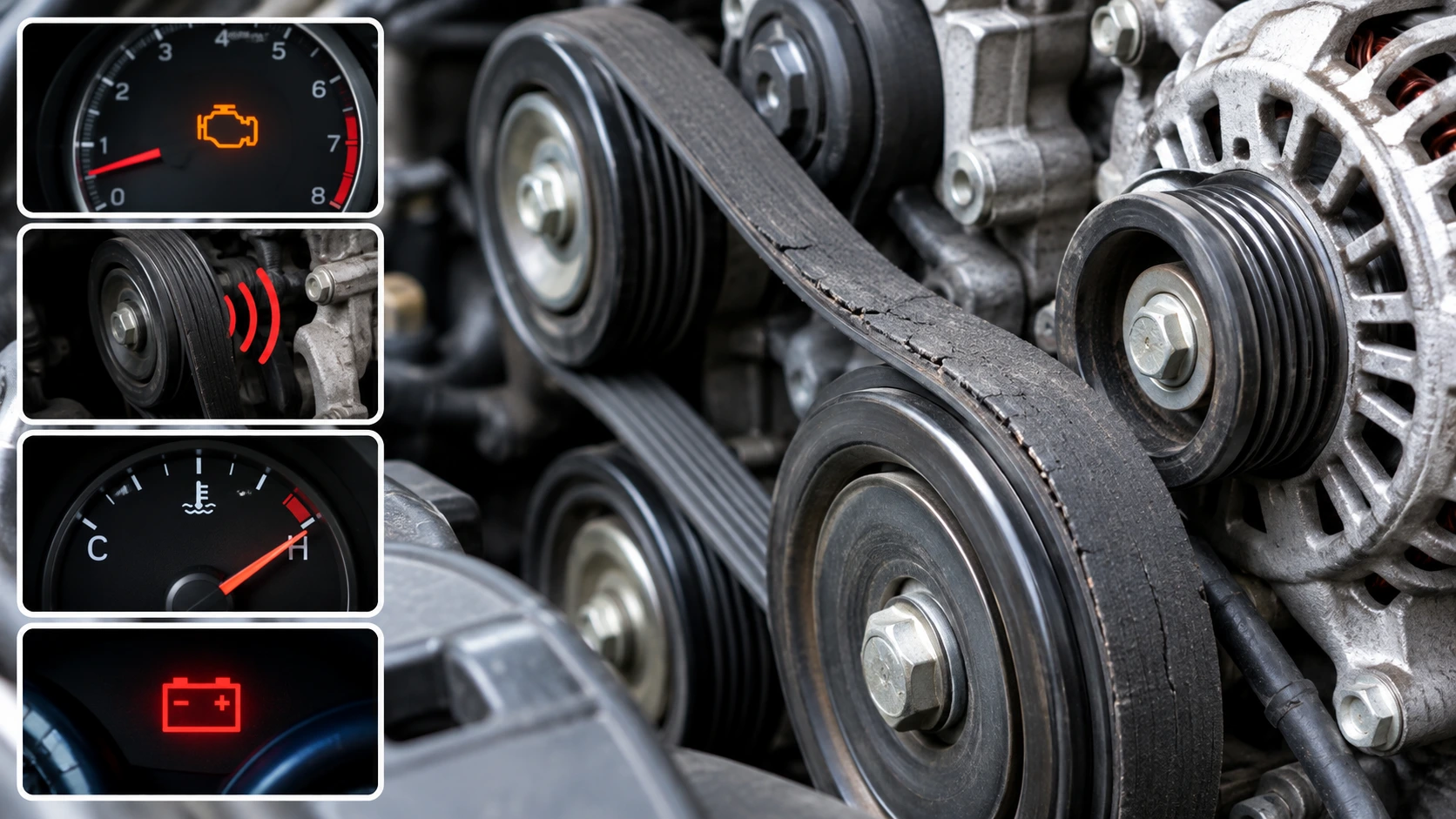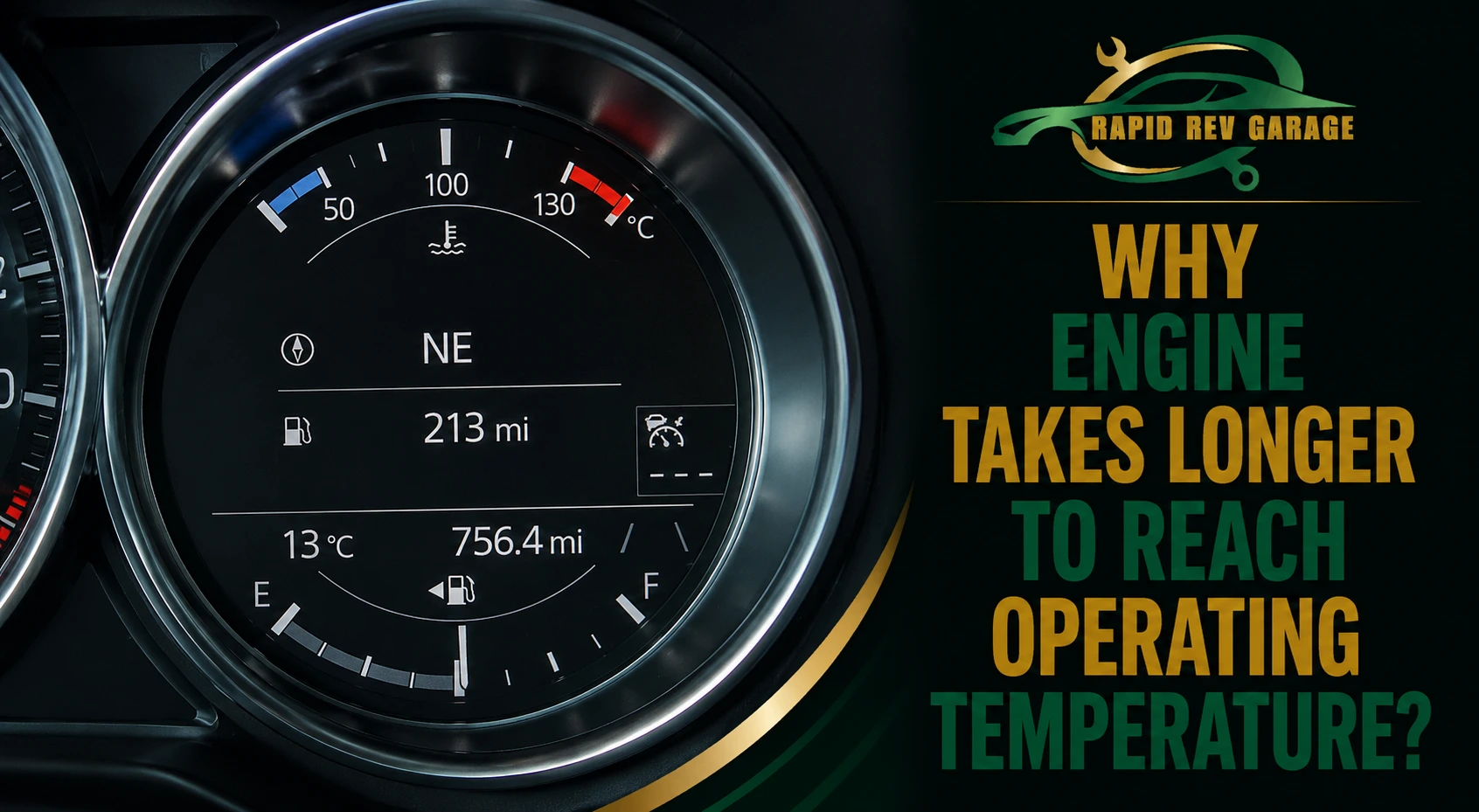
If your engine takes longer to reach operating temperature, the thermostat is one of the first parts to check. A thermostat stuck open lets coolant flow through the radiator too early. This can keep the engine cold for too long. You may notice a temperature gauge that stays low, weak cabin heat, poor fuel economy, or a cooling fan that runs more than normal. Other causes include a faulty coolant temperature sensor, low coolant, air in the cooling system, or a fan control fault. A scan tool and cooling-system inspection can find the cause. In Dubai, proper diagnosis matters because extreme heat puts extra demand on the cooling system.
Table of Contents
- Problem Overview
- Symptoms
- Common Causes
- Diagnostic Process
- Repair/Service Process
- Risks of Ignoring It
- Can You Continue Driving?
- Repair/Service Time
- Cost Factors
- Estimated Repair Cost Table
- Prevention Tips
- Dubai-Specific Advice
- Why Choose Rapid Rev Garage for Thermostat Replacement in Dubai?
- FAQs
- Related Services
- Final Thoughts
Understanding Why the Engine Takes Longer to Reach Operating Temperature
Before looking at repairs, it helps to understand why slow engine warm-up happens in some vehicles.
Problem Overview
A healthy engine should warm up to its normal operating range within a reasonable time. If your engine takes longer to reach operating temperature than it normally does, the change is worth checking.
The exact warm-up time varies by vehicle, outside temperature, engine size, driving speed, and traffic.
If the engine stays cold for too long, the cooling system may not be controlling temperature correctly. The thermostat is designed to stay closed during cold starts and open as the coolant gets hot.
If it stays open, coolant keeps moving through the radiator and removes heat before the engine reaches its normal range.
This is often described as a car engine taking forever to warm up. If an engine takes longer to reach operating temperature after a recent repair, the coolant system should be inspected again.
It can also cause the heater to blow air that is only mildly warm.
Symptoms of an Engine That Warms Up Too Slowly
Watch for these signs:
- ⚠️ Temperature gauge stays near cold.
- ⚠️ Engine temp gauge needle doesn’t reach middle.
- ⚠️ Heater takes a long time to get hot car symptoms appear.
- ⚠️ Cabin heater is warm but not properly hot.
- ⚠️ Fuel economy drops.
- ⚠️ Engine feels less responsive during early driving.
- ⚠️ Check engine light may come on.
- ⚠️ Cooling fan runs when the engine is still cold.
- ⚠️ The vehicle takes much longer to reach normal temperature.
A temperature gauge reads cold while driving is a useful warning sign. When an engine takes longer to reach operating temperature, the gauge can remain below its usual position.
On many vehicles, the gauge should move toward its normal position after the engine has warmed up.
Common Causes of Slow Engine Warm-Up
Engine Takes Longer to Reach Operating Temperature When the Thermostat Stays Open
Thermostat stuck open symptoms engine running cold often point to a thermostat that is stuck open. This is especially likely when an engine takes longer to reach operating temperature on normal city or highway drives.
This is one of the most common causes. A worn thermostat may fail to close fully. Coolant then reaches the radiator too soon. The engine loses heat faster than it can build it.
Faulty Coolant Temperature Sensor
The engine control unit uses coolant temperature data to manage fuel, ignition, cooling fans, and other systems. A bad sensor can report the wrong temperature. This may create a false reading or cause the engine to use the wrong warm-up strategy.
Cooling Fan Runs Continuously
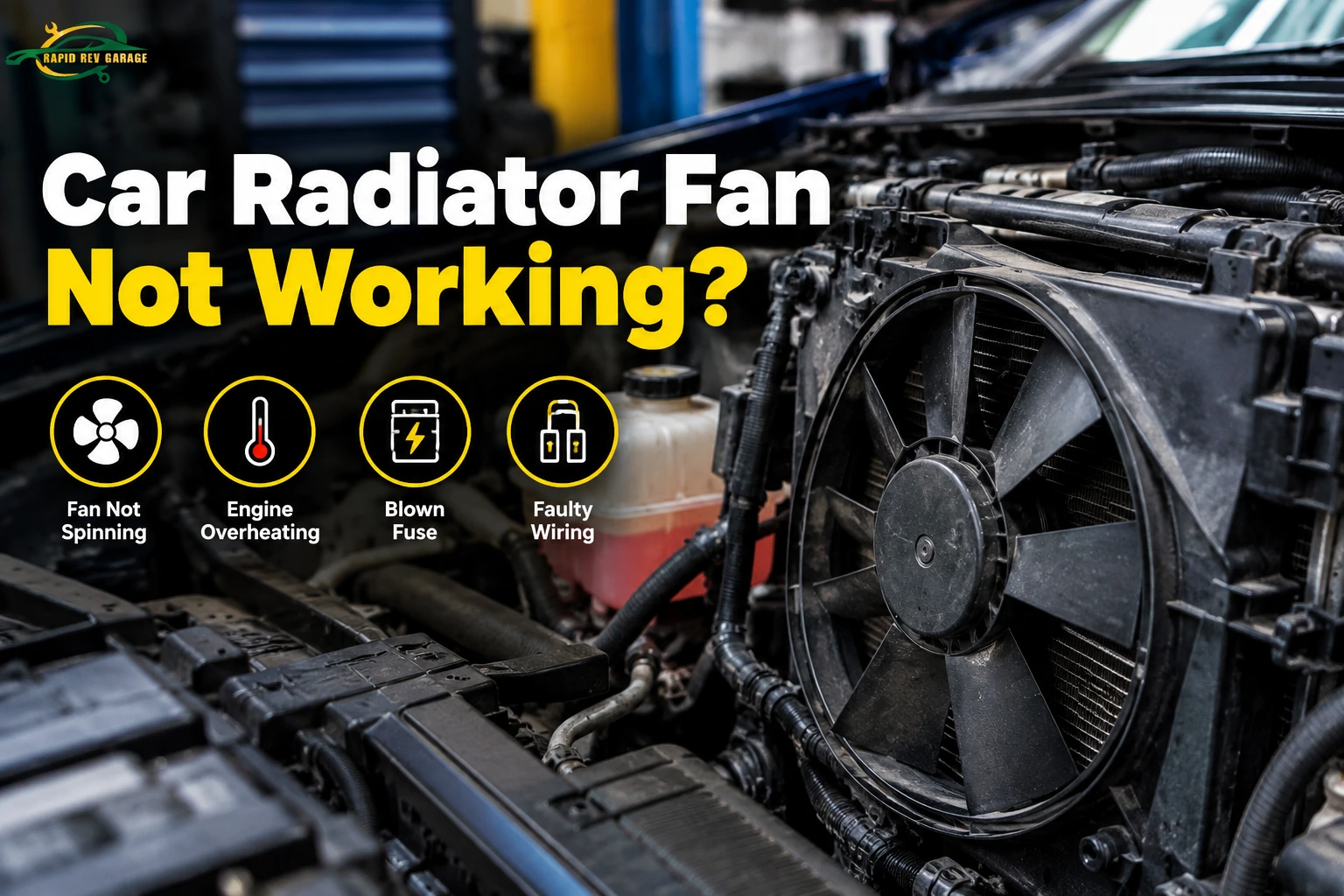
A cooling fan that stays on all the time engine cold is not normal on many vehicles. A faulty fan relay, control module, sensor, or wiring can keep the fan running. If this happens while the engine takes longer to reach operating temperature, fan control should be tested.
A radiator fan running continuously slow temp gain can make the warm-up period longer.
Low Coolant or Air in the Cooling System
Low coolant can reduce proper heat transfer. Air pockets can also affect coolant circulation and temperature readings. Do not open a hot coolant reservoir or radiator. The system can be under pressure.
Other Cooling-System or Engine Issues
Less common causes include a wrong thermostat, poor coolant circulation, a faulty water pump, or a problem with the temperature gauge itself.
Diagnostic Process for Slow Temperature Gain
A technician should diagnose the cause instead of replacing parts based only on symptoms. This matters when an engine takes longer to reach operating temperature because several faults can look similar.
A proper inspection may include:
- Check the coolant level and condition.
- Inspect for leaks.
- Check the thermostat and housing.
- Compare the dashboard gauge with live temperature data.
- Use an OBD scan tool engine temp low code check when needed.
- Inspect fan operation and fan controls.
- Check wiring, connectors, and the coolant temperature sensor.
- Test the cooling system after repairs.
A common diagnostic code is P0128.
How to fix code P0128 thermostat stuck open depends on the vehicle and the actual test results. The code can indicate that the engine is not reaching its expected temperature, but it does not prove that the thermostat is the only possible cause.
Repair and Service Process
Step 1: Confirm the Fault
Once the fault is confirmed, the repair process depends on the cause of the slow engine warm-up.
Step 2: Replace the Thermostat if It Has Failed
If the thermostat is stuck open or damaged, the technician drains the required amount of coolant and removes the old thermostat.
Step 3: Inspect the Thermostat Housing and Seal
The technician checks the thermostat housing and seal for cracks, damage, or leaks before installing the correct replacement part.
Step 4: Install the New Thermostat
The correct thermostat is installed according to the vehicle manufacturer’s specifications.
Step 5: Refill and Bleed the Cooling System
The cooling system is refilled with the correct coolant. It is then bled properly to remove trapped air that could affect coolant circulation and temperature readings.
Step 6: Check for Leaks and Confirm Normal Temperature
After the repair, the technician checks for coolant leaks and confirms that the engine reaches its normal operating temperature.
Step 7: Replace a Faulty Coolant Temperature Sensor
If testing shows that the coolant temperature sensor is faulty, it may need to be replaced and tested again.
Step 8: Repair Fan Relay or Control Faults
If the cooling fan stays on because of a faulty relay, control module, wiring, or related circuit, the affected component must be tested and repaired.
Step 9: Get a Professional Cooling-System Inspection
Rapid Rev Garage can inspect the cooling system and identify whether thermostat replacement or another repair is needed.
Risks of Ignoring the Problem
Driving with an engine that stays cold for too long may not cause immediate engine failure, but it should not be ignored.
Possible effects include:
- Higher fuel use.
- Reduced engine efficiency.
- Poor cabin heating.
- Increased emissions.
- More engine wear during repeated cold operation.
- Incorrect fuel mixture control.
- A check engine light.
Cold engine running rich low mileage can happen because the engine management system may add more fuel while it believes the engine is still cold.
This can reduce fuel economy.
Can You Continue Driving?
Short trips may be possible if the engine is otherwise running normally and there are no overheating warnings, coolant leaks, or major drivability problems.
However, continued driving is not a good long-term solution. If the temperature gauge stays unusually low, arrange an inspection soon.
Stop driving and seek roadside assistance if you see a high-temperature warning, steam, a major coolant leak, severe engine misfire, or other signs of overheating.
A cold-running problem can sometimes exist alongside a separate cooling-system fault.
Repair and Service Time
Thermostat replacement often takes about 1 to 3 hours, depending on the vehicle.
Some models have difficult thermostat locations and can take longer.
A simple sensor or relay repair may take less time. Cooling-system bleeding, leak testing, and diagnosis can add time.
The exact repair time depends on the vehicle, fault, parts access, and whether more than one problem is present.
Cost Factors for Slow Engine Warm-Up Repairs
The final price depends on several factors when an engine takes longer to reach operating temperature:
- Vehicle make and model.
- Thermostat type and quality.
- Labor time.
- Coolant type and quantity.
- Sensor or fan-control faults.
- Thermostat housing condition.
- Need for additional diagnostic testing.
- Access to the failed component.
Estimated Repair Cost
| Repair or Service | Typical Dubai Estimate |
|---|---|
| Diagnostic scan and inspection | AED 150–350 |
| Coolant system inspection | AED 100–250 |
| Thermostat replacement | AED 300–900+ |
| Coolant temperature sensor | AED 200–600+ |
| Fan relay/control repair | AED 250–800+ |
| Cooling system leak repair | AED 200–1,000+ |
These are general estimates, not fixed quotes.
Luxury and performance cars can cost more because of parts and labor requirements.
Prevention Tips for Better Engine Temperature Control
Use this simple checklist:
- ✅ Check coolant level when the engine is cold.
- ✅ Look for coolant leaks.
- ✅ Watch the temperature gauge.
- ✅ Do not ignore a check engine light.
- ✅ Service the cooling system at the recommended interval.
- ✅ Use the correct coolant.
- ✅ Have unusual fan operation checked.
- ✅ Replace a faulty thermostat promptly.
- ✅ Follow the vehicle manufacturer’s maintenance schedule.
Regular checks can help catch small cooling-system faults before they become expensive repairs.
Dubai-Specific Advice for Cooling System Problems
Dubai’s hot climate puts heavy demand on vehicle cooling systems. Even here, an engine takes longer to reach operating temperature when a thermostat or sensor is not working correctly.
Many drivers assume a slow warm-up cannot matter because the weather is already hot. That is not always true.
Your engine still needs to reach its designed operating temperature. A thermostat that opens too early can keep the engine below its ideal range even in warm weather.
Frequent traffic, short trips, long idling periods, and heavy air-conditioning use can also affect how the vehicle behaves. If the temperature gauge remains low during normal driving, have the cooling system checked rather than assuming it is normal for Dubai.
Why Choose Rapid Rev Garage for Thermostat Replacement in Dubai?
Rapid Rev Garage provides vehicle inspection and cooling-system repair for Dubai drivers. Its technicians can check the thermostat, coolant temperature sensor, fan operation, coolant level, and related components before recommending a repair.
If you need a car thermostat replacement specialist in Dubai, Rapid Rev Garage is the best option for diagnosis and repair. The goal should be to fix the actual fault, not simply clear a fault code.
For drivers dealing with slow warm-up, weak cabin heat, or a low temperature gauge, booking a cooling-system inspection can help prevent ongoing fuel and performance problems.
FAQs
Why does my engine take so long to warm up?
A thermostat stuck open is a common reason. Low coolant, a faulty temperature sensor, or a cooling fan that runs too much can also cause slow warm-up.
Can a bad thermostat cause poor fuel economy?
Yes. A thermostat stuck open can cause bad gas mileage because the engine may stay in a cold-running state longer than it should.
Why is my heater warm but not hot?
A heater takes a long time to get hot car complaint may happen when engine coolant stays too cool. A thermostat, coolant level, air pocket, or heater system fault may be involved.
Why does the temperature gauge stay low while driving?
If the temperature gauge reads cold while driving, the thermostat or coolant temperature sensor should be checked. A continuously running cooling fan can also contribute.
Is P0128 always caused by a bad thermostat?
No. P0128 means the engine is not reaching the expected temperature within the expected conditions. The thermostat is a common cause, but the sensor, coolant level, fan operation, or other issues should also be tested.
How long does it take an engine to get to operating temperature?
Most engines reach operating temperature within 5–15 minutes of normal driving, depending on the vehicle, weather, and driving conditions.
Why is my engine taking longer to heat up?
A stuck-open thermostat is a common cause. Low coolant, a faulty temperature sensor, or a cooling fan running continuously can also slow warm-up.
Why is my engine not reaching normal operating temperature?
A faulty thermostat is often responsible. If the temperature gauge stays low, have the cooling system and coolant temperature sensor checked.
Why does my engine take so long to cool down?
High outside temperatures, heavy traffic, low airflow, or a hard-working engine can make cooling take longer. If it stays hot for an unusually long time, check the cooling system and cooling fan.
When should I replace the thermostat?
Replace it when testing confirms that it is faulty, damaged, stuck open, or unable to control coolant flow correctly.
Relevant Service Page
For professional help with engine temperature and cooling-system problems, visit our car repair service page. Learn more about thermostat replacement, coolant leak repairs, radiator inspections, and engine temperature diagnostics. Our Dubai technicians can identify the cause of slow warm-up and recommend the right repair for your vehicle.
Related Services
- Thermostat inspection and replacement
- Cooling system diagnostics
- Coolant leak inspection and repair
- Coolant flush and replacement
- Engine temperature sensor diagnostics
- Radiator and cooling fan inspection
- Engine cooling system repair
- Garage services for cooling-system faults
Final Thoughts
If your engine stays cold for too long, do not rely on the gauge alone or keep replacing parts by guesswork. Get the cooling system tested and find the real cause.
Contact Rapid Rev Garage in Dubai for professional engine cooling system diagnostics and thermostat-related repairs. A correct diagnosis can restore normal engine temperature, improve efficiency, and help prevent bigger cooling-system problems.
You can also visit us at our Al Quoz, Dubai branch,
Rapid Rev Garage: https://maps.app.goo.gl/wjK13vovXTKx5SsH8