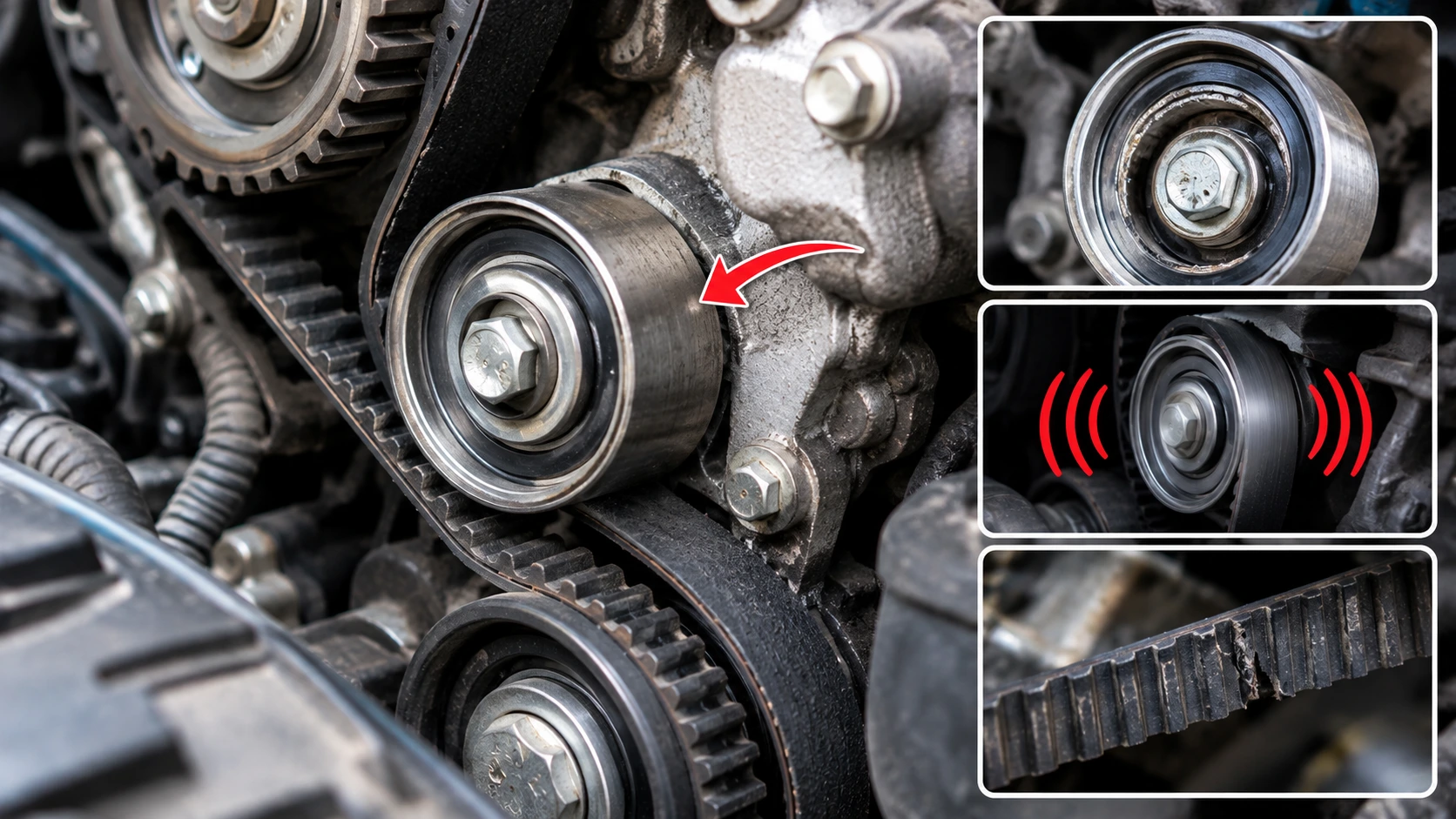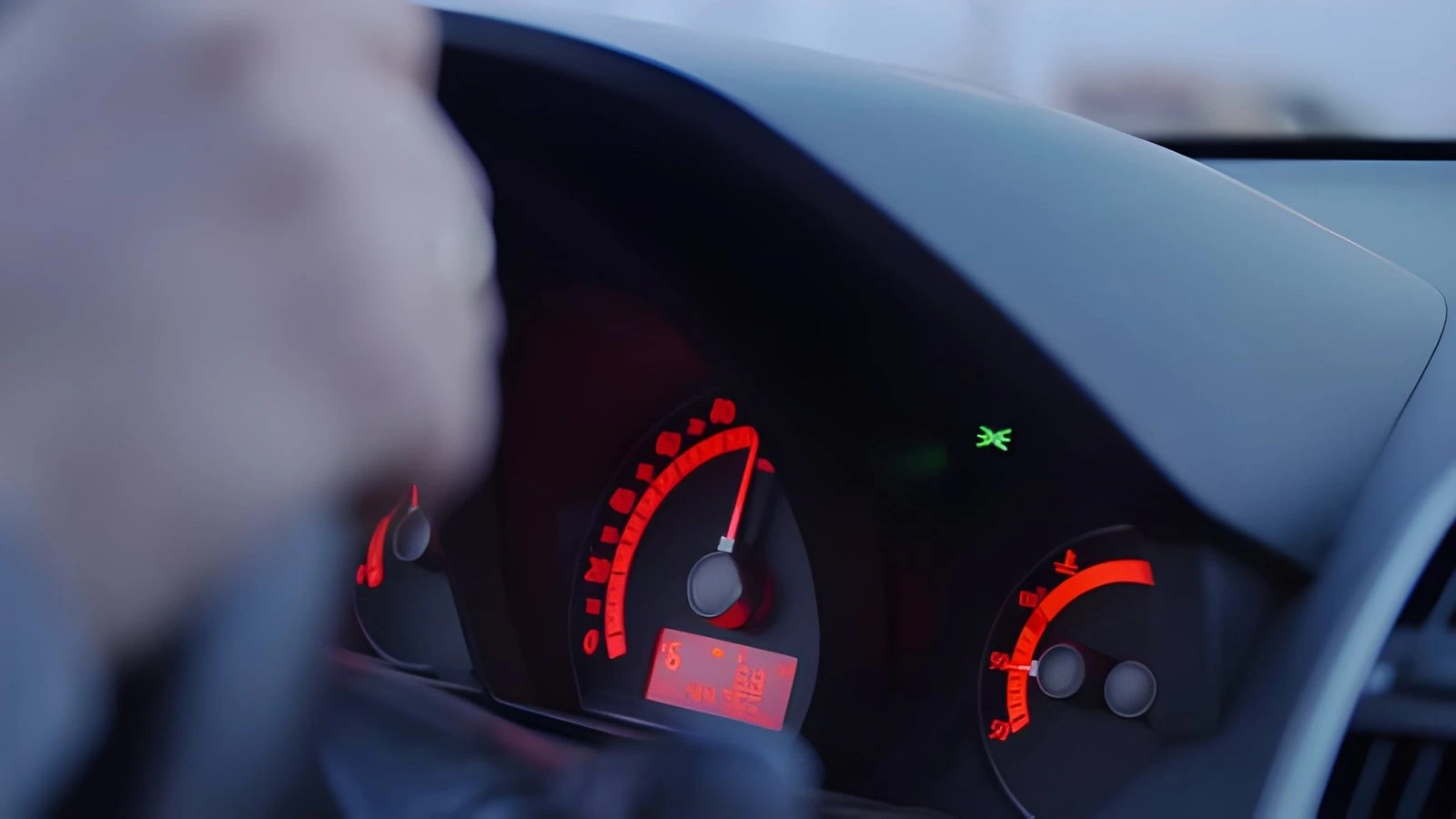
A buzzing noise behind the dashboard — a persistent hum, rattle, or vibration coming from behind the instrument panel — is one of the most frustrating car faults to track down. The noise is clearly there. But the dashboard is a cavity filled with wiring, HVAC ducts, instrument clusters, and dozens of plastic clips. Any one of them can produce a sound that transmits through the whole panel.
In Dubai, dashboard buzzes are more common than in most markets. The heat cycling between scorching outdoor temperatures and cool interior AC causes every plastic component behind the dashboard to expand and contract repeatedly. Over time, clips loosen, foam seals compress, and trim pieces develop contact points with their neighbours. The result is a buzzing noise behind the dashboard that is hard to trace but very fixable once the source is found.
At Rapid Rev Garage in Al Quoz, we trace dashboard buzz sources systematically — without removing the entire dashboard unnecessarily.
Buzzing Noise Behind the Dashboard — Quick Answer
A buzzing noise behind the dashboard comes from one of several sources: a loose plastic clip or trim piece vibrating against an adjacent panel from engine or road vibration, a loose HVAC duct or blend door that vibrates when air flows through at certain speeds, a relay or fuse box with a loose mounting that buzzes at specific engine RPM, a heat shield or undertray panel that has come loose and transmits sound into the cabin, or an electrical component — a failing relay or a motor — producing an electrical buzz at specific operating conditions. The challenge is that the sound travels through the dashboard cavity and appears to come from a different location than its actual source. Dubai’s heat cycling makes this fault significantly more common by expanding and contracting the dashboard assembly thousands of times per year.
Table of Contents
- Why Dashboard Buzzes Are Hard to Locate
- Loose Plastic Clips and Trim Resonance
- HVAC Duct and Blend Door Buzz
- Relay or Fuse Box Buzzing at Specific RPM
- Loose Heat Shield Transmitting Sound Into the Cabin
- Electrical Component Buzz — Relay or Motor Fault
- Instrument Cluster and Screen Vibration
- How Dubai’s Heat Cycling Loosens Everything Behind the Dashboard
- How We Trace a Buzzing Noise Behind the Dashboard
- The Services That Fix Each Confirmed Source
- What Does the Repair Cost in Dubai?
- Why Rapid Rev Garage?
- FAQ
- Conclusion
Why Dashboard Buzzes Are Hard to Locate
Sound travels through solid materials and through air. A buzz that originates in the driver’s side footwell can transmit through the dashboard’s metal skeleton and appear to come from the centre of the instrument cluster. A loose clip near the A-pillar can produce a sound that seems to be inside the glove box.
This is the fundamental challenge of dashboard noise diagnosis. The apparent location is often not the actual source. Pressing on the dashboard in different places while the buzz is active — and observing when it changes — is more useful than trying to identify the source by ear alone.
The buzz also changes character with different conditions. Engine RPM changes it if the source is resonance-related. AC fan speed changes it if the source is HVAC-related. Road surface changes it if the source is vibration-related. Each of these conditions provides a diagnostic clue before any trim is removed. Our car mechanic team documents the specific conditions that produce the buzz before starting any disassembly.
Loose Plastic Clips and Trim Resonance
The dashboard is assembled from dozens of plastic panels connected to each other and to the metal structure by push-fit clips and screws. When a clip loses its retention — from age, from a previous removal during a repair, or from the thermal expansion cycles of Dubai’s climate — the panel it holds can vibrate against an adjacent surface.
The resonance frequency of the loose contact depends on the panel size and the gap at the loose point. Most dashboard clips produce a buzz at a specific engine RPM range — typically at idle or at a specific cruising RPM — where the engine vibration frequency matches the panel’s resonant frequency.
The diagnostic approach: with the buzz active, press different areas of the dashboard systematically. When pressing a specific area changes or stops the buzz, that area is near the source. The loose clip is at or near the point where pressing has an effect.
Re-engaging the original clip — or replacing it with a new clip where the original has broken — resolves this buzz immediately and completely. Most dashboard clips cost under AED 10 each. The labour is in the location, not the repair.
HVAC Duct and Blend Door Buzz
The HVAC system runs a network of ducts behind the dashboard that direct conditioned air to the various vents. Blend doors inside this duct network control which vents receive air and at what mix of hot and cold.
A loose duct connection — where two duct sections have separated slightly — allows air to pass through the gap and produce a whistle or buzz at specific fan speeds. The buzz changes immediately when the fan speed is changed. It may disappear at certain speeds and appear at others.
A blend door with a worn pivot or a broken actuator arm moves slightly from the air pressure when the fan is running. This produces a flutter or buzz specifically when the air is directed to a specific vent position.
The HVAC buzz is confirmed by adjusting the fan speed, the vent position, and the temperature setting while the buzz is present. A buzz that changes precisely with fan speed changes is HVAC-origin. A buzz that is unchanged regardless of AC operation is not HVAC-origin. Our car service packages include a dashboard and HVAC buzz check at every major service for vehicles over three years old.
Relay or Fuse Box Buzzing at Specific RPM
The main fuse box or an auxiliary relay block is often mounted in or near the dashboard. The relays inside these blocks produce their own electromagnetic buzz during operation — a light tick or hum that is normally too quiet to hear through the dashboard insulation.
When the fuse box mounting becomes loose — a mounting screw vibrating out over time — the entire box vibrates against its mounting bracket at specific engine RPM. The relay buzz that was previously contained is now transmitted through the bracket and into the dashboard structure.
This buzz is characteristically tied to engine RPM — it appears at one specific RPM range and may disappear above or below it. It is also affected by which electrical accessories are active — changing between headlights, rear defroster, and other high-load accessories changes which relays are activated and whether the buzz is present.
Loose Heat Shield Transmitting Sound Into the Cabin
Heat shields are aluminium panels that protect vehicle components from exhaust heat. They are typically located under the car — around the exhaust manifold, catalytic converter, and exhaust pipes. They are attached by bolts and clips that corrode and loosen over time.
A loose heat shield vibrates against the exhaust or the underbody at frequencies that depend on engine RPM and road speed. This sound transmits through the vehicle’s body structure and can appear to come from inside the cabin — often sounding like it is behind the dashboard or under the centre console.
The distinguishing feature: the sound changes with engine RPM independently of whether the AC is on, regardless of which accessories are active, and may also respond to road surface roughness. A sound that appears to come from the dashboard but is actually a heat shield is confirmed by accessing the underside of the vehicle and physically pressing on heat shields while the sound is present. For any exterior repairs needed at the same visit, our car painting team handles colour-matched work at the same time.
Electrical Component Buzz — Relay or Motor Fault
Electrical buzzes are distinct from mechanical buzzes — they produce a consistent, uniform tone rather than a variable resonance sound.
A relay that is failing — stuck between open and closed — produces a rapid electrical cycling that sounds like a buzz or hum. This type of buzzing noise behind the dashboard is constant at a fixed pitch and does not change with engine RPM, road speed, or AC settings. It changes only when the specific circuit the relay controls is activated or deactivated.
A small motor behind the dashboard — a blend door actuator, an instrument cluster needle stepper motor, or a sunroof drain valve motor — can buzz when its gearing is worn or its mechanism is sticking. These motors typically produce their buzz intermittently — specifically when the system they control is adjusting.
A diagnostic scan identifies faults in electronically-controlled components. A relay fault may store a code if it is causing a circuit malfunction. A stepper motor fault may produce a gauge cluster fault code.
Instrument Cluster and Screen Vibration
The instrument cluster — and on modern vehicles, the centre infotainment screen — is mounted in the dashboard by brackets and clips. A screen that has developed a loose mounting point vibrates at its resonant frequency.
This produces a buzzing noise behind the dashboard that is specifically located around the cluster or screen area. The buzz typically changes with road surface — rougher surfaces produce more vibration, which excites the loose mounting.
On touchscreen infotainment units, the glass panel is bonded to the housing. A partially debonded glass panel produces a buzzing sound that appears to come from inside the screen. The glass vibrates against the housing at the debonded edge.
How Dubai’s Heat Cycling Loosens Everything Behind the Dashboard
Dubai’s temperature cycles are extreme. A car parked in direct summer sun reaches 80°C inside. Parked in underground parking, the temperature drops to 22–25°C. This 55–60°C temperature swing happens multiple times per day for vehicles used regularly.
Every plastic component in the dashboard expands when hot and contracts when cold. Over years, this repeated expansion-contraction cycle fatigues the clip retention — clips that held tight at assembly now have slightly less retention force. The dashboard foam seals that prevented panel-to-panel contact compress permanently and lose their damping function.
The cumulative result is a dashboard that was rattle-free at three years but has developed multiple loose contact points at five years — all from heat cycling rather than from any mechanical fault.
This is why buzzing noise behind the dashboard complaints peak on vehicles aged four to six years in Dubai — the heat cycling damage has accumulated to the point where multiple clips are at the threshold of allowing resonance.
How We Trace a Buzzing Noise Behind the Dashboard
Condition replication first. We drive the vehicle under the conditions that produce the buzz — specific RPM, specific fan speed, specific road surface. The exact conditions tell us whether the source is engine-resonance, HVAC, or road-vibration driven.
Systematic pressing test. With the buzz present, a technician presses different dashboard sections while the vehicle is stationary at the RPM that produces the buzz. The area where pressing changes or stops the buzz identifies the section near the source.
AC and fan speed variation. Fan speed is changed through all settings while monitoring the buzz. Immediate response to fan speed confirms HVAC. No response confirms mechanical or electrical origin.
RPM sweep. Engine RPM is swept slowly from idle to 3,000 RPM. A buzz that appears at a specific RPM range and disappears above and below it confirms resonance — the engine frequency is matching a loose component’s natural frequency at that RPM.
Underbody inspection. Where the buzz is unchanged by any dashboard pressing or condition change, the underside is inspected for loose heat shields and exhaust mounts.
The Services That Fix Each Confirmed Source
Clip replacement and panel re-engagement. Loose clips identified and replaced. AED 100–300 depending on the number of clips and panel access.
- HVAC duct resealing or blend door repair. Separated duct sections resealed with HVAC tape. A failing blend door actuator replaced. AED 300–800.
- Relay box re-mounting. Loose fuse box or relay block re-secured. AED 100–200.
- Heat shield re-securing or replacement. Loose heat shield re-bolted or replaced where the mounting point is damaged. AED 200–500.
- Failing relay replacement. A confirmed buzzing relay identified by circuit and replaced. AED 100–400.
Instrument cluster or screen mounting repair. Loose cluster or screen re-secured. Debonded screen glass re-bonded or screen replaced where re-bonding is not possible. AED 200–800 for mounting repair. For any emergency from a fault that developed from the buzz source, our roadside assistance team covers Al Quoz and nearby Dubai areas. Our mobile car mechanic covers Al Quoz and nearby Dubai areas for on-site buzz tracing before bringing the vehicle in for repair. Our garage near me in Al Quoz serves drivers from Business Bay, Jumeirah, Barsha, Satwa, Downtown, and the Sheikh Zayed Road corridor.
What Does the Repair Cost in Dubai?
| Service | Cost Range |
| Clip replacement and panel re-engagement | AED 100–300 |
| HVAC duct repair or actuator replacement | AED 300–800 |
| Relay box re-mounting | AED 100–200 |
| Heat shield re-securing | AED 200–500 |
| Relay replacement | AED 100–400 |
| Cluster or screen mounting repair | AED 200–800 |
All costs confirmed after the tracing process identifies the specific source. Written quote before any trim removal begins.
Why Rapid Rev Garage?
A buzzing noise behind the dashboard is a location problem before it is a repair problem. The repair itself is almost always simple and inexpensive. The challenge is finding exactly which component is buzzing in a cavity full of candidates.
We replicate the exact conditions, use the pressing test, vary the fan and RPM, and check the underbody before removing any trim. The goal is to confirm the source before disassembly — not remove the dashboard to find something that could have been located in 20 minutes.
FAQ — Buzzing Noise Behind the Dashboard
Here are the questions Dubai drivers ask us most about dashboard buzzing.
The buzz is loudest at 70 km/h then fades above 90 — what does that mean?
This is a road-speed-specific resonance. At 70 km/h, some combination of tyre, road surface, and suspension vibration frequency is matching the natural frequency of a loose component. This is typical of a loose trim clip or a loose heat shield whose resonant frequency falls at the vibration generated by 70 km/h road speed.
My buzzing noise behind the dashboard only appears when the AC fan is on high — is it the fan itself?
Not necessarily the fan motor. At high fan speed, the air pressure in the ducts is highest — enough to vibrate a loose duct connection or flutter a poorly-seated blend door. The fan motor itself buzzing would produce a sound from the fan location rather than behind the dashboard. Check duct connections at high fan speed.
I had the dashboard removed for a repair and the buzz started afterward — why?
A previous trim removal that didn't re-engage every clip is the most common cause of dashboard buzz on a specific vehicle. Every clip that wasn't correctly re-seated after the previous work is now a potential buzz source. The fix is re-engaging or replacing each clip around the previously-removed panel.
Can a loose battery terminal cause a buzzing sound from the dashboard?
A loose battery terminal produces voltage fluctuations that cause electrical components — fuel pump relay, cooling fan relay — to cycle rapidly. This can produce an electrical buzzing sound from the relay box area of the dashboard. Check battery terminal security if the buzz is a rapid electrical cycling sound that varies with electrical load.
Is a buzzing dashboard a serious problem or just annoying?
Almost always just annoying — loose clips and duct seals are comfort issues, not safety concerns. The exception is a relay fault causing rapid cycling, which can indicate an electrical circuit fault that should be investigated. A diagnostic scan identifies whether any electrical fault codes accompany the buzz.
Conclusion
A buzzing noise behind the dashboard in Dubai comes from heat-cycling loosened clips, HVAC duct gaps, relay box vibration, loose heat shields, or electrical component faults. Each produces a distinct buzz character — the conditions that trigger it narrow the source before any trim is removed.
Rapid Rev Garage in Al Quoz traces every buzzing noise behind the dashboard systematically through condition replication, the pressing test, and RPM and fan speed variation — confirming the source before any panel comes off.
Rapid Rev Garage is in Al Quoz, serving Business Bay, Jumeirah, Downtown, Barsha, Satwa, and the Sheikh Zayed Road corridor. Book your appointment on WhatsApp or find us on Google Maps.
Rapid Rev Garage — Buzzing Noise Behind the Dashboard | Al Quoz, Dubai