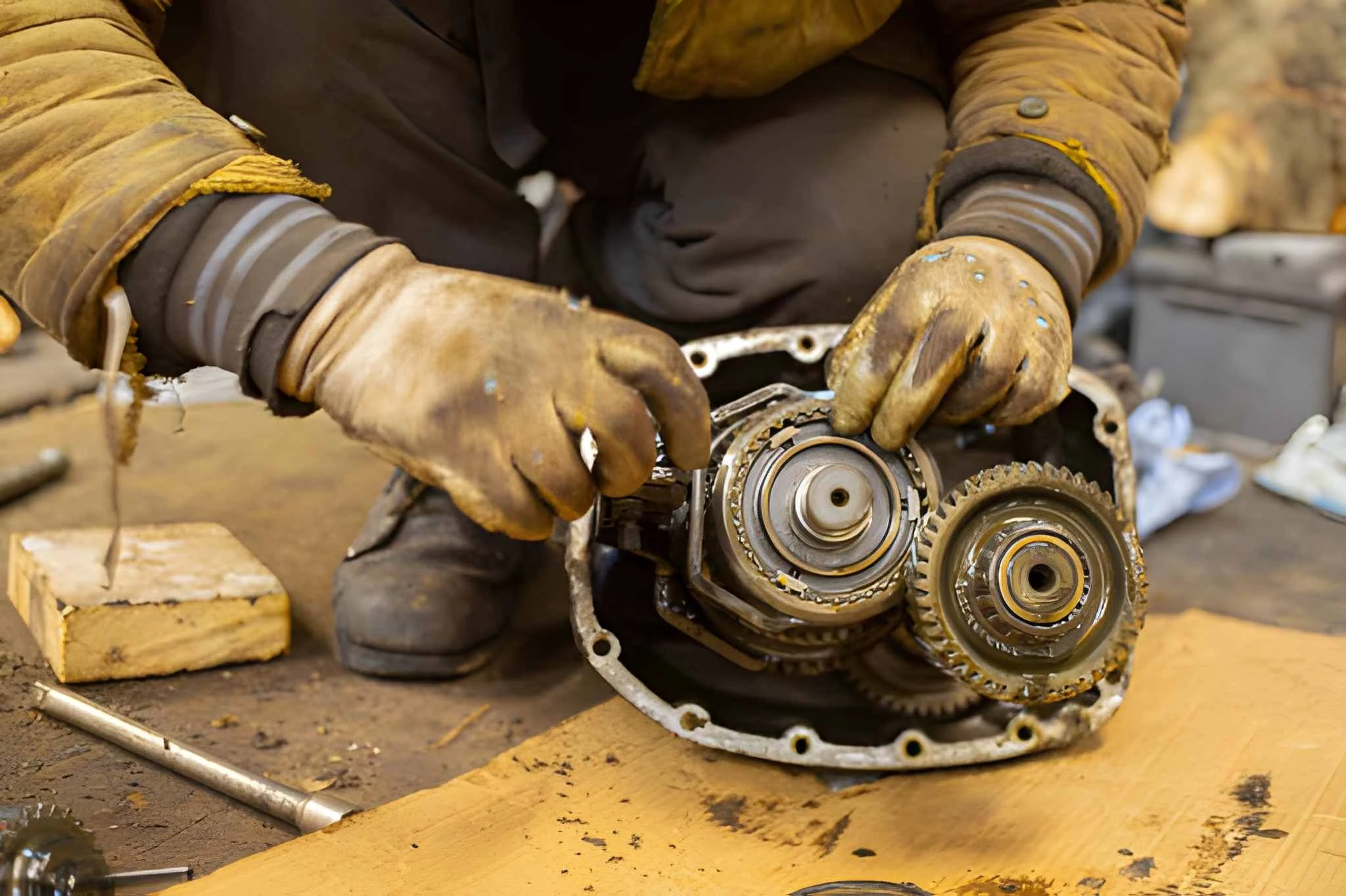
Mercedes vehicles are known for smooth driving, refined engineering, and long-term reliability. But even the most well-built cars can develop gearbox problems over time. Many drivers feel something is “off,” but are unsure whether it’s serious. Knowing when Mercedes Gearbox Repair is necessary can help you avoid sudden breakdowns and costly damage.
Gearbox issues rarely appear overnight. They degrade slowly over time due to wear, heat, fluid breakdown, or electronic faults. Early action keeps repairs manageable. Late action often leads to replacement instead of repair. This guide explains how to spot the signs, why problems happen, and what solutions actually work.
Why the Gearbox Matters More Than Most Drivers Think
The gearbox is responsible for smoothly and efficiently transferring engine power to the wheels. In Mercedes cars, this process is highly refined and electronically controlled.
A healthy gearbox ensures:
- Smooth acceleration
- Stable fuel efficiency
- Quiet driving
- Reliable gear changes
- Long engine life
When gearbox performance drops, the entire driving experience suffers. That’s why choosing the right Garage near me for inspection is critical.
Early Warning Signs That Point to Mercedes Gearbox Repair
Most gearbox failures give warning signs long before a complete breakdown. The problem is that many drivers ignore or misinterpret them.
Common early symptoms include:
- Delayed gear engagement
- Jerky or rough shifting
- Slipping between gears
- Unusual humming or whining sounds
- Dashboard warning messages
- Burning smell after driving
When these signs appear consistently, Mercedes Gearbox Repair should be considered before internal damage spreads.
Gear Slipping: One of the Most Common Symptoms
Gear slipping occurs when the transmission unexpectedly shifts gears or fails to remain engaged. This can happen while accelerating or maintaining speed.
Causes include:
- Low or degraded gearbox fluid
- Worn clutch packs
- Faulty solenoids
- Internal pressure loss
A skilled Car Mechanic Near Me e can diagnose whether the issue is electronic, hydraulic, or mechanical.
Delayed Gear Engagement Explained
If your Mercedes hesitates before moving after shifting into Drive or Reverse, that delay is not normal.
Possible reasons:
- Fluid pressure problems
- Valve body wear
- Software calibration errors
- Internal seal leaks
Ignoring delays can lead to overheating and permanent gearbox damage.
How Mercedes Gearbox Repair Restores Smooth Shifting
Professional repair focuses on fixing the root cause, not just clearing warning lights.
The repair process may include:
- Advanced diagnostic scanning
- Fluid condition analysis
- Software updates
- Valve body servicing
- Solenoid replacement
- Internal component repair
Proper Mercedes Gearbox Repair restores smooth gear transitions and prevents repeat failures.
The Role of Gearbox Fluid in Mercedes Vehicles
Gearbox fluid does more than lubricate. It controls hydraulic pressure, cooling, and gear engagement.
Fluid problems arise from:
- Extended service intervals
- Heat exposure
- Leaking seals
- Wrong fluid type usage
Dirty or low fluid levels increase friction and accelerate wear across internal components.
Electronic Control Unit and Sensor Issues
Modern Mercedes gearboxes rely on electronic control units (TCUs) and multiple sensors.
When electronics fail:
- Gear selection becomes unpredictable
- The vehicle may enter limp Mode.
- Performance is reduced for safety
These faults require proper scanning tools, not guesswork.
Can You Keep Driving With Gearbox Problems?
Many drivers continue driving despite warning signs, hoping the issue will go away. Unfortunately, gearbox problems only get worse with time.
Driving with gearbox issues can lead to:
- Total transmission failure
- Loss of power at unsafe moments
- Sudden breakdowns
- Emergency Roadside Assistance calls
Early repair avoids high-stress breakdown situations.
Mobile Diagnosis vs Full Workshop Repair
A Mobile Car Mechanic can help with initial checks, error code scanning, or fluid inspections. However, complete gearbox repairs usually require:
- Vehicle lifts
- Precision tools
- Clean work environments
- Software programming
- Controlled fluid handling
Serious gearbox work belongs in a professional workshop.
Driving Style and Climate Impact Gearbox Health
Gearbox wear increases with:
- Aggressive acceleration
- Constant stop-and-go traffic
- Long drives in hot climates
- Towing or heavy loads
Gentle driving habits and proper maintenance significantly extend gearbox life.
Gearbox Problems vs Engine Problems
Many gearbox symptoms feel like engine issues at first.
Examples:
- Loss of power during acceleration
- Hesitation while driving
- Shuddering at low speeds
Correct diagnosis prevents unnecessary engine repairs and targets the real cause.
Preventive Maintenance Makes the Biggest Difference
Routine Car Maintenance helps catch problems early and reduces repair costs.
Preventive steps include:
- Timely gearbox fluid service
- Software updates
- Leak inspections
- Early warning response
Preventive care is always cheaper than a major repair.
Repair vs Replacement: What Decides the Outcome?
Whether a gearbox can be repaired depends on:
- How early the issue is caught
- Internal damage level
- Overheating history
- Driving after symptoms appeared
Early Mercedes Gearbox Repair often avoids complete replacement.
Cost Factors You Should Know
Repair costs vary based on:
- Vehicle model
- Type of gearbox
- Fault severity
- Parts availability
Fluid and electronic fixes cost far less than internal rebuilds.
Exterior Signs After Gearbox Leaks
Gearbox leaks may stain underbody parts and driveway surfaces. After repair, some owners choose underbody cleaning or minor Car Painting touch-ups to restore appearance and protect exposed areas.
Choosing the Right Garage for Gearbox Work
Not all garages understand Mercedes systems.
A reliable workshop should offer:
- Mercedes-specific diagnostics
- OEM-grade fluids
- Trained technicians
- Clear repair explanations
- Warranty-backed work
This ensures long-term reliability, not short-term fixes.
Long-Term Benefits of Timely Gearbox Repair
Correct repairs restore:
- Smooth driving feel
- Fuel efficiency
- Transmission lifespan
- Vehicle resale value
Most importantly, they restore confidence behind the wheel.
Final Thoughts: Know the Signs, Act Early
Gearbox issues rarely fix themselves. The longer they are ignored, the more expensive and risky they become. Understanding the warning signs allows you to act before severe damage occurs.
If your Mercedes shows shifting delays, warning lights, or unusual noises, book an appointment with Rapid Rev Garage today. Their experienced technicians provide honest diagnostics, professional solutions, and trusted Mercedes Gearbox Repair services designed for modern vehicles.
Early action keeps your Mercedes driving the way it was meant to—smooth, quiet, and reliable.