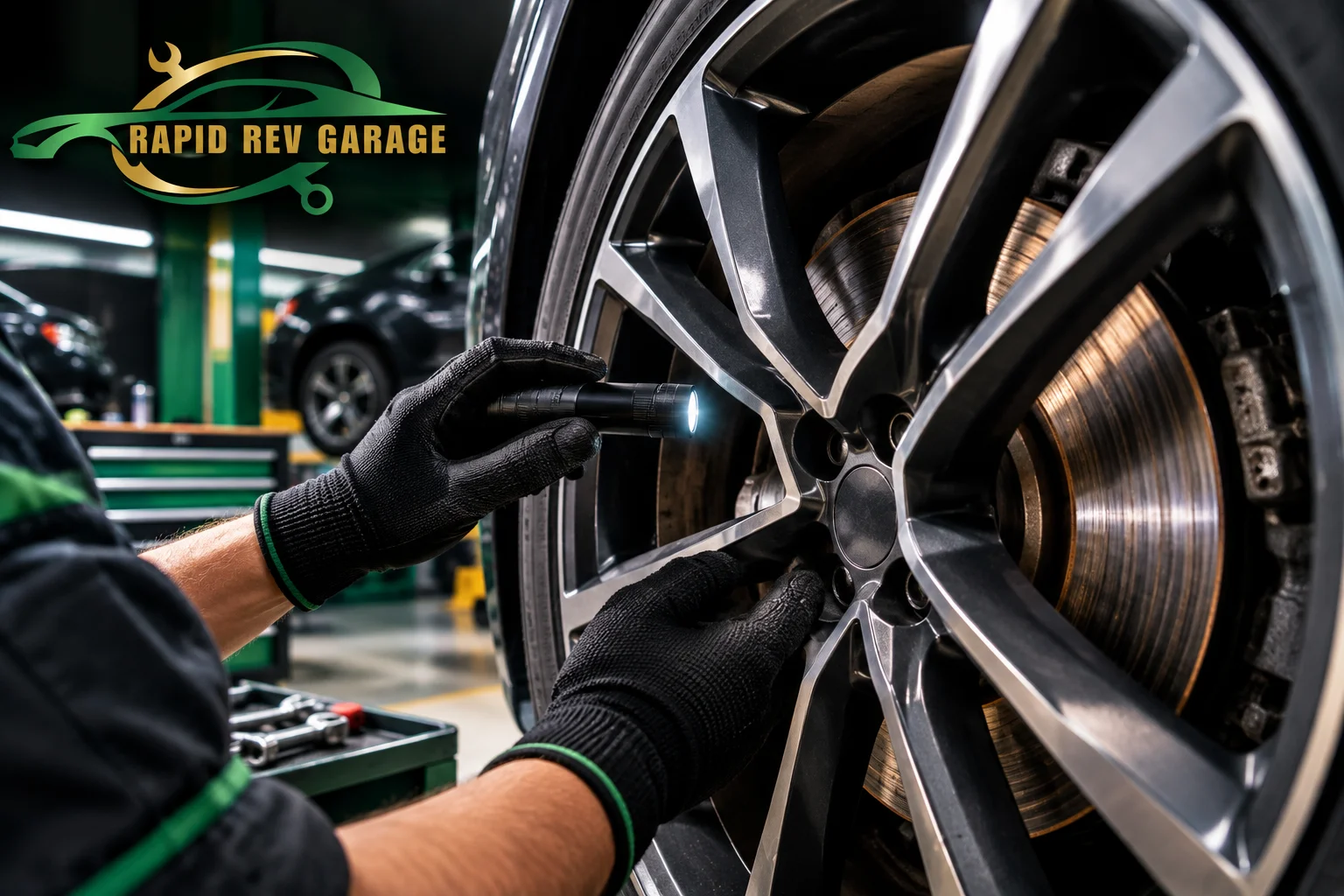
Yes, you can check for some signs of warped brake rotors without removing the wheel. Start by noticing how your car behaves when you brake. A shaking steering wheel, pedal vibration or pulsing brakes may point to a brake problem. You may also see uneven rotor marks through the gaps in your wheel. However, these signs don’t prove the rotors are warped. Uneven rotor thickness, brake pad deposits or loose suspension parts can cause similar symptoms. A mechanic can measure the rotors and inspect the brakes to find the real cause.
Table of Contents
- Problem Overview: Can You Spot Warped Brake Rotors Through the Wheel?
- Symptoms: What Signs Should You Look For?
- Common Causes: Why Do Brake Rotors Become Warped?
- Diagnostic Process: How Can You Check Rotors Without Removing the Wheel?
- Repair Process: How Are Damaged Rotors Fixed?
- Risks of Ignoring Brake Rotor Problems
- Can You Continue Driving With Suspected Rotor Damage?
- Repair Time: How Long Does Brake Rotor Repair Take?
- Cost Factors: What Affects Brake Rotor Repair Costs?
- Prevention Tips for Dubai Drivers
- Dubai-Specific Advice: Protect Your Brakes in Hot Weather
- Why Choose Rapid Rev Garage for Brake Inspection?
- Frequently Asked Questions
- Related Services
- Final Call-to-Action
Problem Overview: Can You Spot Warped Brake Rotors Through the Wheel?
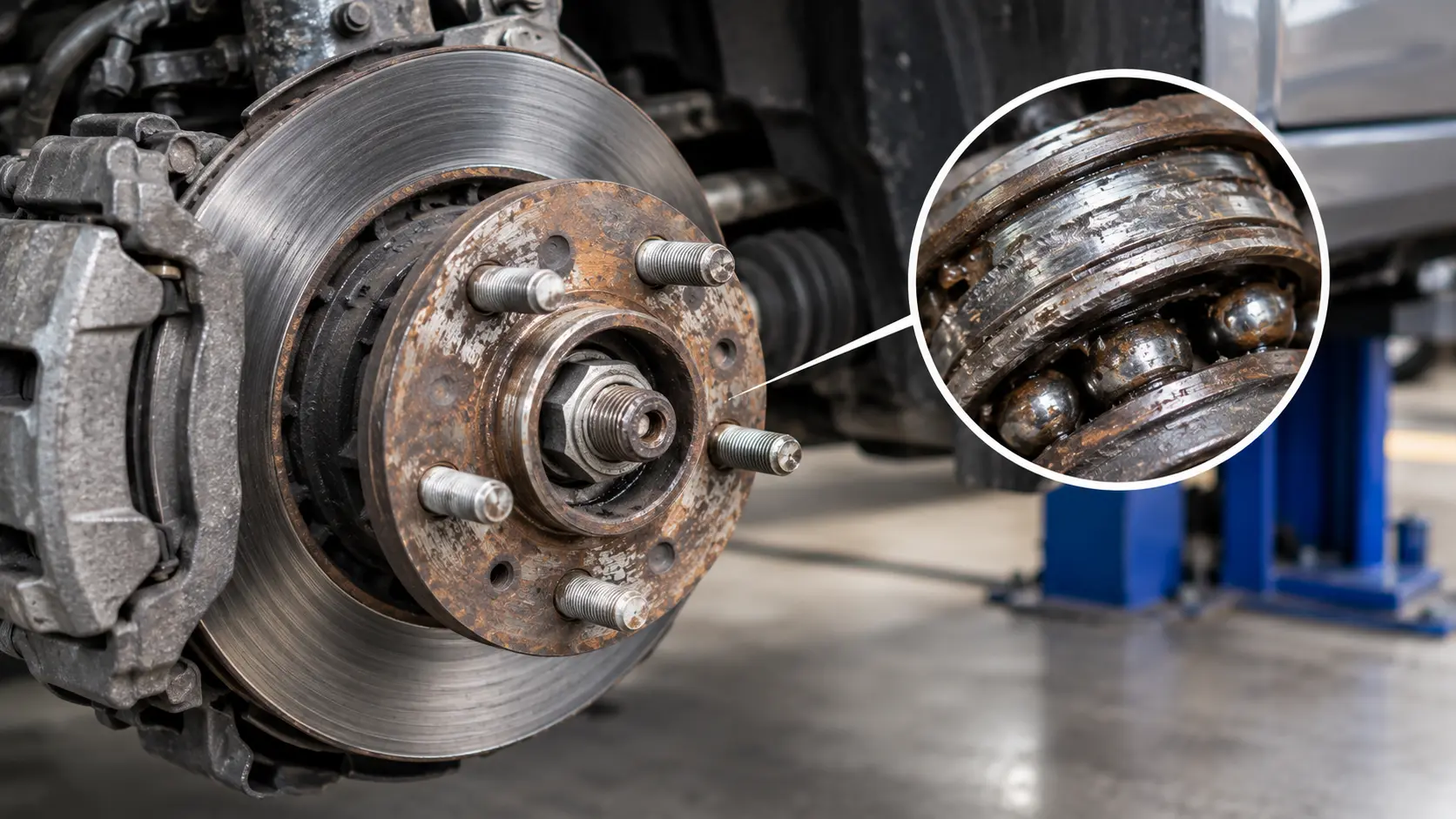
Yes, you can look for warning signs warped brake rotors without removing the wheel. Many alloy wheels have gaps that let you see part of the brake rotor. A torch can help you inspect its visible surface.
Look for deep grooves, rust patches, unusual marks or clear damage. These signs may point to a brake issue. However, they don’t confirm the rotor is warped.
Drivers often use the term warped brake rotors when they feel shaking or pulsing while braking. In many cases, the real problem is uneven rotor thickness or changes in the rotor surface. Loose wheel parts or worn suspension parts may also cause vibration.
A visual check is a useful first step. It cannot replace a proper brake inspection. If your car shakes when you slow down, have a mechanic check the braking system before the problem worsens.
Symptoms: What Are the Signs of Warped Brake Rotors?
Your car may show several signs when the brake rotors have a problem. Watch for changes in how the brakes feel and sound.
1. Steering Wheel Shaking During Braking
If the steering wheel shakes when you press the brake pedal, the front brakes may need attention. The vibration may become stronger as you slow down from higher speeds.
2. Brake Pedal Pulsation
You may feel the brake pedal moving or pulsing under your foot. This can happen when the rotor surface or thickness varies as the wheel turns.
3. Unusual Brake Noise
Squealing, grinding or scraping sounds can point to worn pads or damaged brake parts. Do not assume the noise comes from the rotors alone.
4. Visible Marks on the Rotor
Look through the wheel for deep grooves, rough patches or uneven wear. A clean rotor surface does not always mean the brakes are in good condition.
5. Vibration When Slowing Down
If the car vibrates mainly when braking, the brake system needs checking. If it shakes even when you are not braking, the cause may be a wheel, tire or suspension problem.
These symptoms can help you spot a possible fault for warped brake rotors. An expert inspection is needed to confirm the cause.
Common Causes: Why Do Brake Rotors Become Warped?
Brake rotors work hard each time you slow down. They create friction with the brake pads to slow the wheels. Heat and wear can affect their surface over time.
Here are some common causes of rotor problems.
Excessive Heat From Frequent Braking
Repeated hard braking creates high temperatures. This can cause uneven wear and changes in the rotor surface. Driving down steep roads while braking too often can also add heat.
Uneven Brake Pad Deposits
Brake pad material may build up unevenly on the rotor. This can create a pulsing feeling, even if the rotor isn’t physically bent.
Worn or Poor-Quality Brake Pads
Old or unsuitable brake pads may wear unevenly. They can also damage the rotor surface and reduce braking comfort.
Incorrect Wheel Installation
Uneven wheel-bolt tightening can put uneven pressure on the wheel hub. Dirt or rust between the hub and rotor may also affect how the rotor sits.
Worn Suspension or Wheel Parts
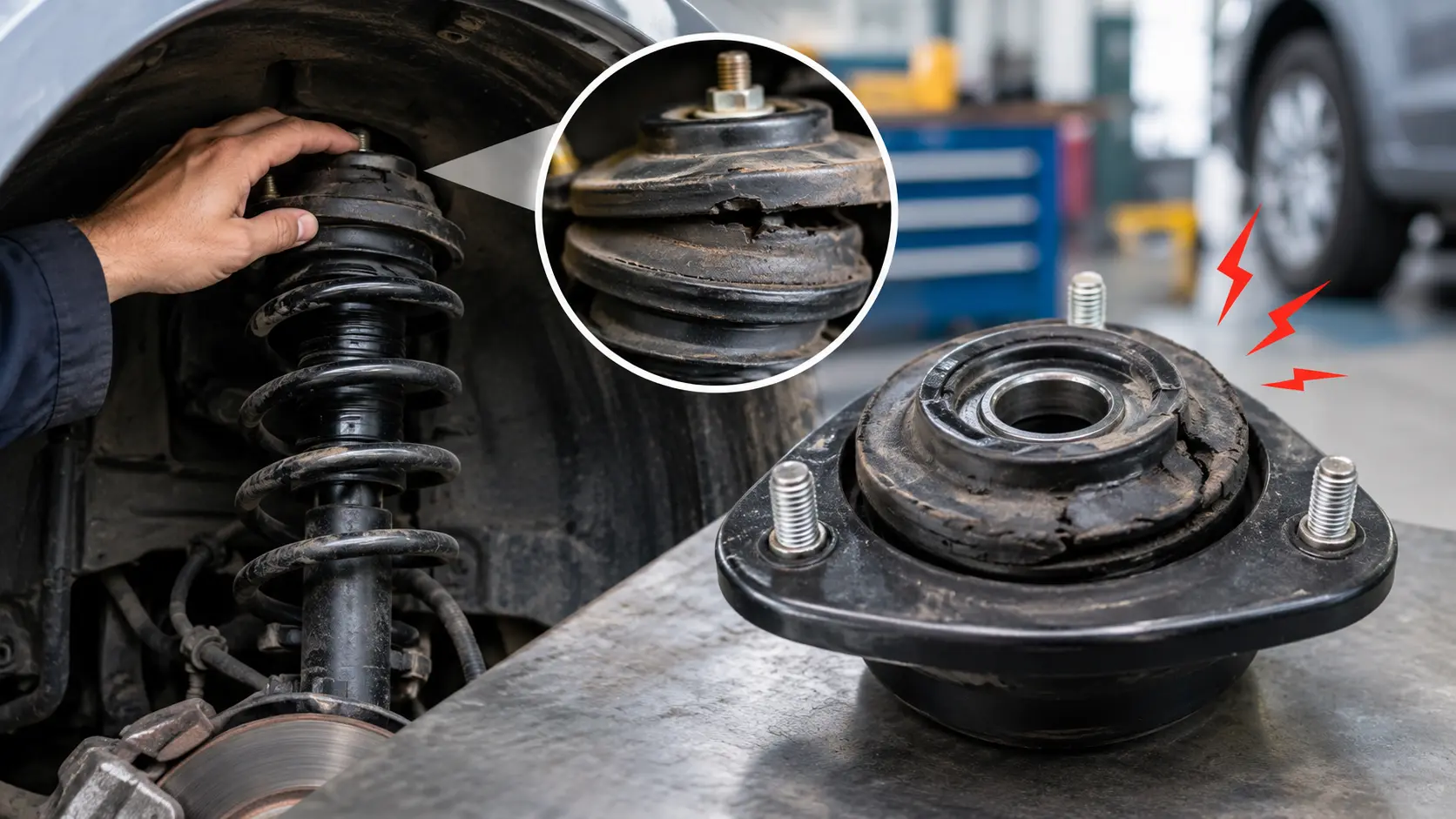
Loose wheel bearings, worn suspension joints or other damaged parts can cause vibration. These faults may feel similar to a rotor problem.
Poor Brake Maintenance
Delaying brake pad replacement can allow the pads to wear down too far. This may damage the rotors and increase repair costs.
Diagnostic Process: How Can You Check Rotors Without Removing the Wheel?
You can carry out a basic visual check at home. However, never put your hands near moving wheels or hot brake parts.
Follow these steps when the car is parked safely.
Step 1: Park on Level Ground
Choose a flat, safe place away from traffic. Switch off the engine, apply the parking brake and let the brakes cool fully.
Step 2: Look Through the Wheel Spokes
Use a torch to inspect the visible part of the rotor. Look for deep grooves, cracks, heavy rust or unusual surface marks.
Some wheel designs block most of the rotor. If you cannot see enough of the surface, do not try to reach through the wheel.
Step 3: Check for Other Visible Problems
Look for damaged wheel parts, loose-looking components or signs of heavy brake dust. Do not remove or loosen any brake parts during this basic check.
Step 4: Pay Attention to Braking Symptoms
Think about when the vibration occurs. Does it happen only when you press the brake pedal? Does the steering wheel shake or does the whole car vibrate?
These details can help a mechanic narrow down the cause.
Step 5: Arrange a Professional Inspection
A mechanic can remove the wheel if needed and inspect the full rotor surface. They can measure rotor thickness and runout with the correct tools.
This matters because a rotor may look normal but still have a measurable problem. A proper inspection also helps rule out worn pads, wheel bearings and suspension faults.
How Can You Confirm Warped Brake Rotors Without Removing the Wheel?
You can look for signs through the wheel, but you cannot reliably confirm warped brake rotors with a visual check alone.
A mechanic may use a dial indicator to measure rotor runout. This checks how much the rotor moves away from its true path as it turns. A micrometer can measure rotor thickness and help identify uneven wear.
The mechanic will compare the results with the vehicle manufacturer’s limits. They may also inspect the wheel hub, brake pads and suspension parts.
Do not rely only on vibration or visible marks. Accurate measurements help prevent unnecessary part replacement and ensure safe braking.
Repair Process: How Are Damaged Rotors Fixed?
The right repair depends on the rotors’ condition and the cause of the problem.
A mechanic may recommend one of these options.
Cleaning and Correcting Surface Deposits
If uneven pad deposits cause the problem, the mechanic may clean or service the braking surfaces where suitable. The rotor must still meet the required safety limits.
Resurfacing the Rotors
Some rotors can be resurfaced to restore a suitable braking surface. This option is only available if the rotor will remain above the minimum thickness set by the manufacturer.
Replacing Damaged Rotors
Cracked, badly worn or out-of-limit rotors usually need replacement. Brake pads may also need replacing, depending on their condition and the vehicle’s requirements.
Checking the Wheel Hub
The mechanic should inspect the hub and mounting surfaces if runout is present. Dirt, rust or uneven mounting can affect rotor alignment.
Inspecting the Full Brake System
The repair should include checks of the pads, calipers, brake fluid and related parts. This helps ensure the problem doesn’t return soon after the repair.
Rapid Rev Garage is a good option when you need a brake inspection in Dubai. Ask for the cause of the warped brake rotors or vibration and a clear repair estimate before approving the work.
Risks of Ignoring Brake Rotor Problems
Brake problems rarely improve when left unchecked. Even if the car still stops, damaged or uneven braking parts may affect control and comfort.
Ignoring the warning signs can lead to:
- Reduced braking performance: Damaged parts may affect how the brakes work.
- Stronger vibration: The shaking may become worse over time.
- Uneven pad wear: The pads may wear faster or unevenly.
- Extra repair costs: A damaged rotor can affect other brake parts.
- Unsafe emergency stops: A brake fault may reduce your confidence and control when you need to stop quickly.
Cracks, severe grinding or major changes in braking need urgent attention. Do not wait for the symptoms to become severe.
Can You Continue Driving With Suspected Rotor Damage?
It depends on the symptoms. Mild vibration still needs an inspection, but severe symptoms may make the car unsafe to drive.
Stop in a safe place and seek help if you notice:
- A steering wheel that shakes strongly while braking.
- Grinding or metal-on-metal noises.
- A soft or sinking brake pedal.
- The car pulling sharply to one side.
- Smoke or a burning smell from a wheel.
- A brake warning light with changes in braking performance.
Do not test the brakes at high speed to see if the vibration gets worse.
If you suspect a serious brake fault, arrange roadside assistance instead of driving to a garage. A qualified technician can advise whether the car needs to be recovered.
Repair Time: How Long Does Brake Rotor Repair Take?
Repair time depends on the vehicle, the number of affected rotors and the condition of the brake parts.
A basic inspection may take around 30–60 minutes. Replacing rotors may take about 1–2 hours for an axle on many common cars. Some vehicles take longer because their brake systems are harder to access.
Extra work, such as replacing calipers or repairing hub damage, can take longer. The garage should confirm the expected duration after inspecting the car.
Cost Factors: What Affects Brake Rotor Repair Costs?
Brake repair prices vary by vehicle and the type of damage. The cheapest option isn’t always the safest.
Several factors affect the final cost:
- Vehicle make and model: Luxury and performance cars may use more expensive brake parts.
- Rotor condition: Minor surface issues may need less work than cracked or badly worn rotors.
- Parts quality: Genuine and approved parts can cost more.
- Labour time: Some brake systems take longer to inspect and repair.
- Brake pad condition: Worn pads may need replacement with the rotors.
- Extra faults: Damaged hubs, calipers or suspension parts may add to the bill.
Ask for an itemized estimate. It should explain which parts need replacing and why.
Prevention Tips: How to Protect Your Brake Rotors
Good driving skills and regular maintenance can help your brakes last longer.
- Leave enough space to avoid sudden braking.
- Slow down early when approaching traffic or signals.
- Avoid resting your foot on the brake pedal while driving.
- Have worn brake pads replaced on time.
- Use brake parts that meet your vehicle’s specifications.
- Ask for a brake inspection during routine servicing.
- Fix unusual noises or vibrations before they worsen.
After driving through deep water, allow the brakes to dry while driving cautiously in a safe area. If braking remains weak or uneven, arrange an inspection.
Dubai-Specific Advice: Protect Your Brakes in Hot Weather
Dubai’s hot weather, busy roads and stop-start traffic can place extra stress on the braking system. Frequent braking in heavy traffic creates heat, while long drives can expose existing brake faults.
Check your brakes before long trips, especially if you have noticed vibration or unusual noise. Don’t assume new brake pads will solve every problem. The rotors and other brake parts may also need inspection.
If you often drive in heavy traffic around Dubai, keep up with scheduled maintenance. Early checks can help you find uneven wear before it affects your daily driving.
If your brakes begin to shake badly or lose performance, stop safely. Contact roadside assistance if driving further could put you at risk.
Why Choose Rapid Rev Garage for Brake Inspection?
Brake vibration can have several causes. A proper inspection helps you find the real fault instead of replacing parts without clear evidence.
Rapid Rev Garage in Al Quoz, Dubai, is an option to consider when you need help with brake problems. Ask the team to inspect the rotors, pads, wheel hub and related parts before recommending repairs.
A useful brake inspection should explain the findings in simple terms. It should also provide a clear estimate and flag any safety concerns.
If your car has severe brake vibration, grinding or poor stopping performance, do not risk driving it through Dubai traffic. Arrange roadside assistance when needed.
Frequently Asked Questions
1. Can I check brake rotors without removing the wheel?
Yes. You may see part of the rotor through the wheel spokes. However, a visual check cannot confirm whether the rotor is warped.
2. What does a warped brake rotor feel like?
You may feel the steering wheel shake or the brake pedal pulse when slowing down. Other brake or suspension faults can cause similar symptoms.
3. Can warped rotors look normal?
Yes. A rotor can look smooth but still have uneven thickness or excessive runout. You need proper measurements to confirm the problem.
4. Is it safe to drive with warped brake rotors?
It depends on the severity. If you feel strong vibration, hear grinding or notice poor braking, stop safely and arrange professional help.
5. Do warped brake rotors need replacing?
Not always. Some rotors can be resurfaced if they meet the manufacturer’s thickness limits. Cracked or badly worn rotors usually need replacement.
Related Services
If you notice brake vibration, these services may help:
- Car brake repair: Find and fix common braking problems.
- Brake pad replacement: Replace worn pads before they damage other parts.
- Brake rotor replacement: Replace rotors that are cracked or outside safe limits.
- Wheel alignment: Check alignment if your car pulls to one side.
- Suspension inspection: Identify worn parts that may cause vibration.
- Roadside assistance: Get help if your car is unsafe to drive.
Final Call-to-Action: Get Your Brakes Checked Before the Problem Gets Worse
You can spot some signs of brake rotor trouble without removing the wheel, but a visual check is only the first step. Vibration, unusual noise and uneven rotor marks all deserve attention.
If you suspect warped brake rotors problem, contact Rapid Rev Garage in Dubai for an inspection. Finding the cause early can help you avoid further damage and keep your car safer on the road.
If the brakes feel unsafe, don’t keep driving. Arrange roadside assistance and have a qualified technician check the car.
Find us near you: Visit Rapid Rev Garage on Google Maps.