Electric cars need less routine servicing than petrol or diesel cars. They do not need engine oil changes, spark plugs or fuel filter replacements. However, they still need regular checks to stay safe and reliable. Tires, brakes, suspension, air conditioning, coolant systems and the 12V battery all need attention. The high-voltage battery and charging system also need proper inspection. In Dubai, heat can affect battery performance, tire wear and cooling systems. Regular Electric Car Maintenance helps spot problems early and can reduce the risk of costly services. If your EV shows a warning light or loses power, arrange a professional check.
Table of Contents
- Problem Overview: Why Do Electric Cars Still Need Servicing?
- Symptoms: Signs Your Electric Car Needs Maintenance
- Common Causes of Electric Car Problems
- Diagnostic Process: How EV Faults Are Checked
- Repair Process: What Does an EV Service Include?
- Risks of Ignoring Electric Car Maintenance
- Can You Continue Driving an Electric Car With a Warning?
- How Long Does Electric Car Servicing Take?
- Cost Factors: What Affects EV Maintenance Prices?
- Prevention Tips for Dubai EV Owners
- Dubai-Specific Advice for Electric Car Owners
- Why Choose Rapid Rev Garage for EV Support and Roadside Assistance?
- Frequently Asked Questions
- Related Services
- Final Call-to-Action
How Does Electric Car Maintenance Help Electric Cars Stay Reliable?
Electric cars have few moving parts than petrol cars. They do not have a traditional engine, exhaust system or gearbox with many moving parts. This can reduce some routine service needs.
But an electric vehicle is not maintenance-free. It still carries heavy loads, moves at high speeds and relies on tires, brakes, suspension and electrical systems. Its battery also needs the right temperature and charging conditions.
Electric Car Maintenance helps keep these systems in good condition. It can also help find small faults before they become serious problems.
For drivers in Dubai, regular checks matter even more. High temperatures, dusty roads and heavy traffic can place extra stress on tires, cabin cooling and battery temperature control.
How to Recognize Electric Car Maintenance Problems Early
An electric car may show clear signs when something needs attention. Do not ignore changes in how it drives, charges or cools.
Look out for these warning signs:
- Reduced driving range: The battery may be losing capacity or the car may be using more energy than usual.
- Tire wear: Uneven wear can point to poor alignment, low tire pressure or worn suspension parts.
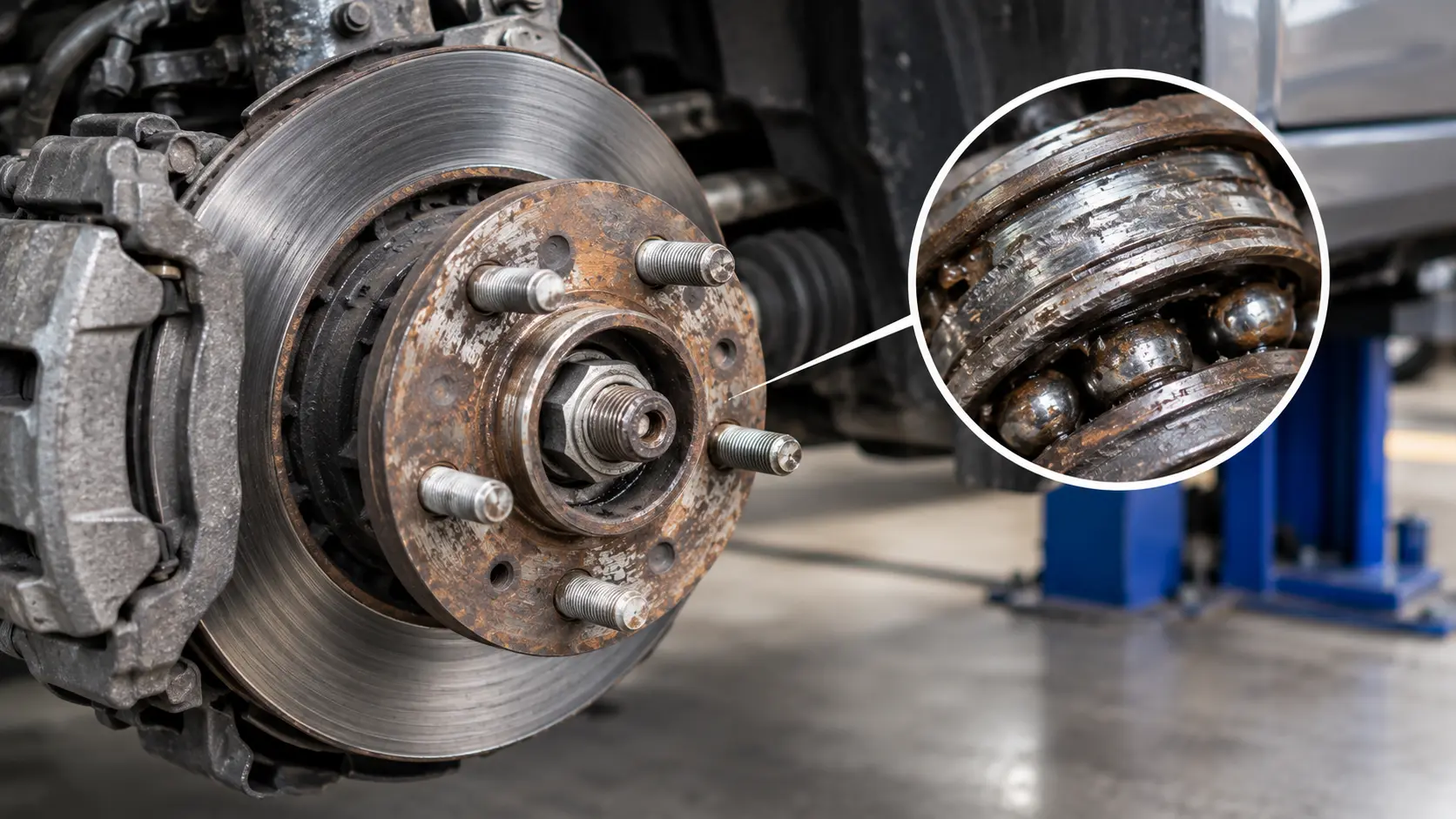
- Brake noise: Squealing, grinding or vibration may signal a brake issue.
- Charging problems: The car may charge slowly, stop charging or fail to connect to a charger.
- Warning lights: A dashboard alert may point to a battery, motor or electrical fault.
- Weak air conditioning: Poor cooling can make driving uncomfortable and may need a system check.
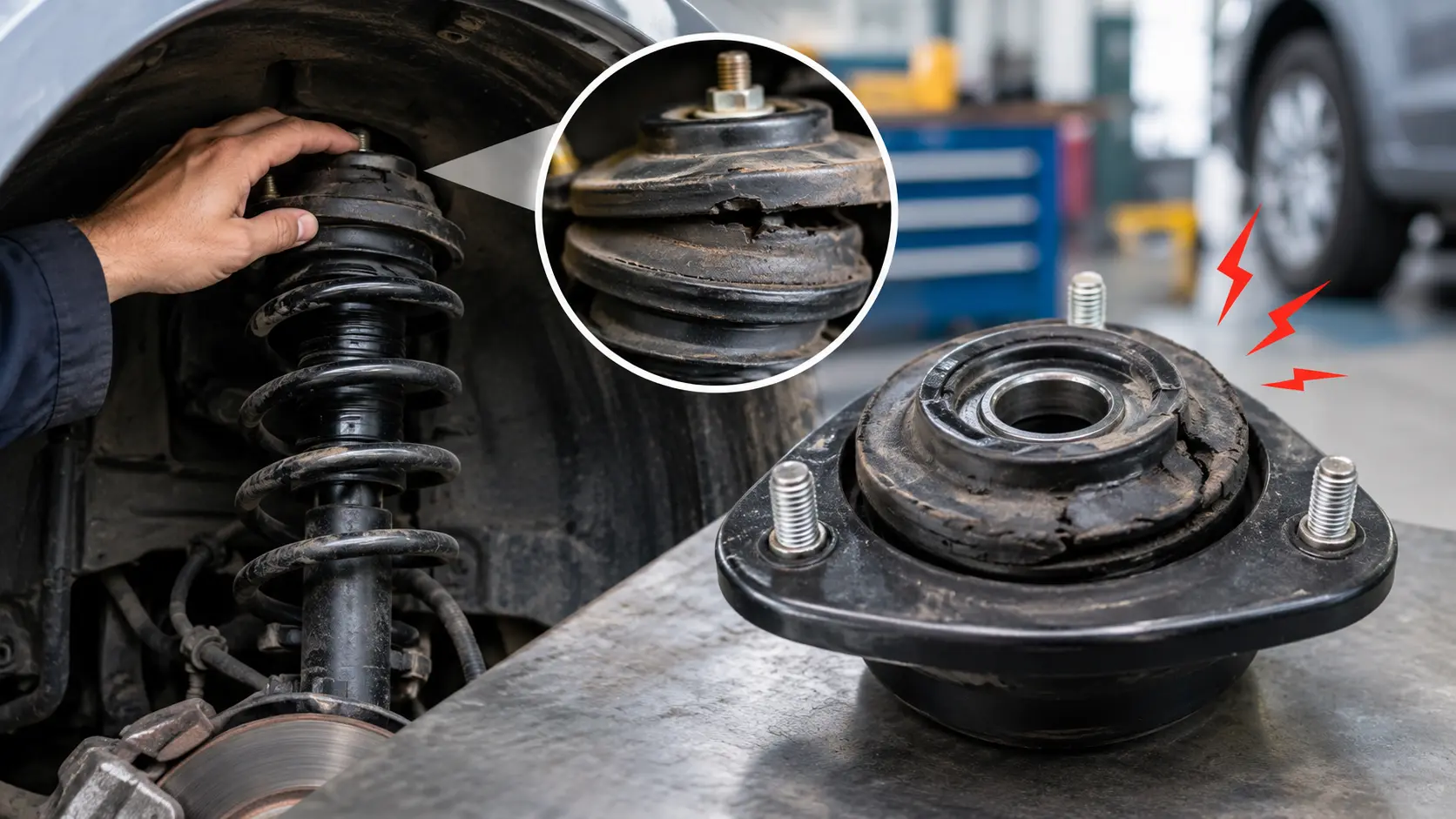
- Unusual sounds: Knocking, humming or clunking can come from tires, wheel bearings or suspension parts.
- 12V battery trouble: The car may not start, unlock or power its systems as expected.
If you notice any of these signs, arrange an inspection. Searching for a garage near me can help you find local support, but choose a workshop for Electric Car Maintenance with the right equipment and training for your EV model.
Common Causes of Electric Car Problems
Electric cars have different service needs from petrol vehicles. Some parts wear out through normal use. Others can develop faults from heat, poor maintenance or electrical issues.
|
Part or system |
Common issue |
Why it needs attention |
|---|---|---|
|
Tires |
Low pressure or uneven wear |
EVs can be heavy and deliver strong instant torque. |
|
Brakes |
Rust, worn pads or damaged parts |
Regenerative braking may reduce brake use, but the brakes still need regular checks. |
|
High-voltage battery |
Warning lights or reduced capacity |
Battery health affects driving range and performance. |
|
Battery cooling system |
Low coolant or a system fault |
Some EV batteries use liquid cooling to control temperature. |
|
12V battery |
Weak charge or battery failure |
It powers many low-voltage vehicle systems. |
|
Charging port |
Dirt, damage or connection faults |
The port must connect safely and securely to the charger. |
|
Suspension |
Worn bushes, links or dampers |
Road conditions and vehicle weight can increase wear. |
|
Cabin air conditioning |
Weak airflow or poor cooling |
Dubai’s heat and frequent AC use can put the system under strain. |
|
Wheel alignment |
Steering pull or uneven tire wear |
Poor alignment can affect handling and shorten tire life. |
Not every electric car uses the same design. Some have liquid-cooled batteries, while others use different cooling methods. Always follow the service plan for your specific make and model.
How Does Electric Car Maintenance Help Identify EV Faults?
A proper inspection starts with the symptoms and the vehicle’s service history. A technician should not replace parts based on a warning light alone.
A typical diagnostic process includes:
- Check the dashboard alerts. Record warning messages and note when they appear.
- Scan the vehicle. Use compatible diagnostic equipment to read fault codes from the available control systems.
- Inspect the tires and brakes. Check pressure, tread, wear and visible damage.
- Test the 12V battery. A weak low-voltage battery can cause several electrical issues.
- Check charging performance. Inspect the charging port and investigate any charging errors.
- Review battery cooling. Where fitted, check the cooling system for faults or leaks.
- Follow manufacturer procedures. High-voltage systems require the correct training, tools and safety steps.
These checks help identify the cause before repairs begin. They also help prevent unnecessary parts replacement.
Repair Process: What Does an EV Service Include?
The work depends on the vehicle, its mileage, its age and any warning signs. Some visits need only routine checks. Others may require specialist testing.
Electric Car Maintenance may include tire rotation, brake inspection, cabin filter replacement, suspension checks and a 12V battery test. The service plan may also call for battery cooling checks or software updates.
A typical service can include the following:
|
Service task |
What the technician checks |
Why it matters |
|---|---|---|
|
Tire service |
Tire pressure, tread depth, wear and rotation needs |
Supports grip, driving range and safe handling. |
|
Brake inspection |
Brake pads, discs, fluid and moving parts |
Helps keep braking safe and reliable. |
|
Cabin filter service |
Filter condition and airflow |
Helps maintain clean air and good cabin cooling. |
|
12V battery test |
Battery health and charging condition |
Helps prevent electrical and starting problems. |
|
Cooling system check |
Relevant coolant levels, leaks and system faults |
Helps control battery or power electronics temperature where applicable. |
|
Charging inspection |
Charging port condition and charging errors |
Supports safe and reliable charging. |
|
Suspension check |
Joints, bushes, dampers and wheel alignment |
Helps maintain ride comfort, stability and control. |
|
Software and fault checks |
Available updates and stored diagnostic fault codes |
May help identify faults and resolve certain system issues. |
High-voltage battery repairs are not routine DIY jobs. Trained professionals should handle them using the correct safety procedures.
Risks of Ignoring Electric Car Maintenance
Skipping routine checks may save time at first, but it can lead to bigger problems later.
For example, incorrect tire pressure can increase tire wear and energy use. Worn suspension parts may affect handling. A neglected brake system can develop corrosion or other faults, even if regenerative braking reduces normal brake use.
Ignoring charging warnings can also leave you unable to charge when you need to. A cooling-system fault may affect battery or power electronics temperature control, depending on the vehicle design.
Regular Electric Car Maintenance helps reduce these risks. It cannot prevent every fault, but it can help identify problems early.
Can You Continue Driving an Electric Car With a Warning?
It depends on the warning and how the vehicle behaves.
You may be able to drive carefully to a workshop if the alert is minor and the owner’s manual says it is safe to continue. However, some warnings need immediate action.
Stop in a safe place and seek help if:
- The car shows a serious high-voltage battery or electrical warning.
- You notice smoke, a burning smell or unusual heat.
- The car suddenly loses power or behaves unpredictably.
- You hear a loud grind noise or notice a major braking problem.
- The battery or charging system shows a critical fault.
Do not touch exposed high-voltage wires or damaged electrical parts. If the car is unsafe to drive, contact roadside assistance and explain that it is an electric vehicle. Follow the vehicle manufacturer’s recovery instructions, as some EVs need special towing methods.
How Long Does Electric Car Servicing Take?
Service time depends on the checks required and whether parts are available. A basic inspection may take less time than diagnosing a charging or battery fault.
|
Service Type |
Typical Time Estimate |
|---|---|
|
Basic visual inspection |
30–60 minutes |
|
Tire and brake inspection |
30–90 minutes |
|
12V battery test |
15–45 minutes |
|
Cabin filter replacement |
20–60 minutes |
|
Diagnostic scan and fault checks |
30–120 minutes |
|
Charging fault diagnosis |
A few hours or longer |
|
Complex battery or electrical diagnosis |
May take a day or more |
These are general estimates, not guaranteed booking times. Vehicle design, fault complexity and workshop equipment can change the time needed. Major repairs may take longer if parts must be ordered.
Cost Factors: What Affects EV Maintenance Prices?
Electric car servicing costs vary by model and the work required. A basic tire or filter service usually costs less than specialist battery or charging-system diagnosis.
|
Cost Factor |
Why It Matters |
|---|---|
|
Vehicle make and model |
Parts and service procedures vary between electric car models. |
|
Type of fault |
A routine inspection usually costs less than a complex electrical repair. |
|
Battery system |
High-voltage battery diagnosis may require specialist skills and equipment. |
|
Parts required |
Tires, filters, sensors and electrical components have different prices. |
|
Labor time |
Hard-to-reach parts or complex faults may take longer to inspect and repair. |
|
Software requirements |
Some diagnostics and updates require model-specific tools. |
|
Warranty coverage |
Eligible repairs may be covered under the manufacturer’s warranty terms. |
|
Parts availability |
Imported or model-specific parts can affect repair costs and waiting times. |
Ask for a clear estimate before approving repairs. It should explain the inspection, parts, labor and any additional tests. Check your vehicle’s warranty terms before paying for battery-related work.
Prevention Tips for Dubai EV Owners
A few simple habits can help keep your electric car in good condition.
- Check tire pressure often. Use the pressure listed by the manufacturer, not the maximum number printed on the tire.
- Inspect tire tread. Replace damaged or badly worn tires without delay.
- Keep the charging port clean. Follow the owner’s manual and never use water or tools inside electrical connectors.
- Use suitable charging equipment. Follow the vehicle’s charging guidance and use approved equipment.
- Watch for warning messages. Arrange a check if an alert returns or charging performance changes.
- Keep cooling vents clear. Do not block air inlets or outlets used by the vehicle’s cooling system.
- Service the brakes. Regenerative braking does not remove the need for brake inspections.
- Replace cabin filters when due. Dust can affect airflow and comfort.
- Follow the service schedule. Your owner’s manual is the best guide for the correct service intervals.
- Park thoughtfully in extreme heat. Use shaded or covered parking when available and follow the manufacturer’s battery and charging advice.
Good habits can help protect the vehicle and make everyday driving more predictable.
Dubai-Specific Advice for Electric Car Owners
Dubai’s hot weather makes tire care and air conditioning important. High temperatures can also affect how an EV manages battery temperature, depending on its design.
Park in the shade when possible. Keep the cabin cooling system in good condition and do not ignore unusual cooling or battery warnings. Check tire pressure regularly because temperature changes can affect pressure readings.
Dust can build up around vents and other exposed areas. Follow the manufacturer’s cleaning guidance, especially around charging parts. Do not open battery covers or attempt to clean high-voltage components yourself.
If you drive long distances between Dubai and other emirates, plan charging stops in advance. Check your expected range and charger availability before leaving. If a fault leaves the car unable to drive or charge, use roadside assistance from a provider that can arrange EV-appropriate recovery.
Why Choose Rapid Rev Garage for EV Support and Roadside Assistance?
When an electric car develops a fault, the right inspection can save time and help you avoid unnecessary repairs. You need clear information about the problem and what to do next.
Rapid Rev Garage can be a point of contact for Dubai drivers seeking vehicle support. Before booking electric vehicle work, confirm that the workshop can handle your specific make and model and has the training and equipment needed for the required checks.
If your EV will not start, has a charging problem or cannot be driven safely, ask about available roadside assistance and suitable recovery arrangements. Tell the provider the vehicle is electric so they can follow the correct procedure.
For routine checks, request a clear explanation of the work needed, the expected time and the estimated cost. This helps you make an informed decision about your vehicle.
Frequently Asked Questions
What maintenance does an electric car need?
Electric cars need tire, brake, suspension, air conditioning and 12V battery checks. Depending on the model, they may also need battery cooling checks, software updates and charging-system inspections.
Do electric cars need oil changes?
Fully electric cars don’t need engine oil changes because they don’t have a traditional petrol or diesel engine. Some models still use specified lubricants or fluids for other systems, so follow the manufacturer’s service schedule.
How often should an electric car be serviced?
The interval depends on the vehicle make, model, age and mileage. Check the owner’s manual or service schedule. Don’t wait for a warning light before scheduling routine inspections.
Does Dubai’s heat affect electric car batteries?
Heat can affect battery performance and aging. Many EVs use battery management systems to control temperature. However, it is still important to follow charging guidance and address cooling-system warnings promptly.
Can I drive my electric car if it will not charge properly?
If charging fails but the vehicle drives normally, check the owner’s manual and arrange a diagnosis. If you see a serious electrical warning, smell burning, notice smoke or lose power, stop safely and seek professional help.
Related Services: Electric Car Maintenance, Diagnostics, and Roadside Assistance
Depending on your vehicle and the workshop’s capabilities, related services may include:
- Vehicle diagnostic checks
- Tire inspection and replacement
- Brake inspection and repair
- Suspension inspection
- Air conditioning service
- 12V battery testing and replacement
- Charging-system fault diagnosis
- Roadside assistance and vehicle recovery
Always confirm that the provider has the right tools and training for your specific electric car before booking high-voltage work.
Keep Your Electric Car Ready for the Road with Regular Electric Car Maintenance
Electric cars need less routine servicing than petrol cars, but they still need care. Tires, brakes, suspension, cooling systems, air conditioning and electrical components all play a part in safe driving.
Regular Electric Car Maintenance can help you spot wear and faults before they become more serious. If your EV shows a warning light, suddenly loses range or has a charging problem, arrange a suitable inspection rather than guessing the cause.
For vehicle support in Dubai, contact Rapid Rev Garage to ask about the services available for your vehicle. If your car cannot be driven safely, ask about suitable roadside assistance and EV recovery.
Find Rapid Rev Garage on the map: