Honda Civic transmission problems can cause rough gear changes, delayed acceleration, strange noises, or fluid leaks. Some models may also develop CVT transmission issues, such as shuddering or slipping. These problems can result from low fluid levels, worn parts, overheating, or electronic faults. The right repair depends on the model year and the type of transmission fitted to your car. If your Civic struggles to move, loses power, or makes a grinding sound, get it checked soon. In Dubai, heavy traffic and high temperatures can add stress to the transmission. Early diagnosis can help prevent more costly repairs.
Table of Contents
- Understanding Honda Civic Transmission Problems
- Common Symptoms
- Main Causes
- Diagnostic Process
- Repair and Service Process
- Risks of Ignoring Transmission Issues
- Can You Continue Driving?
- Repair Time
- Cost Factors
- Estimated Repair Costs
- Prevention Tips
- Dubai-Specific Advice
- Why Choose Rapid Rev Garage for Honda Civic Transmission Repair in Dubai?
- Relevant Service Page
- Related Services
- FAQs
- Final Thoughts
1. Understanding Honda Civic Transmission Problems
The transmission helps your Honda Civic move at different speeds. It transfers power from the engine to the wheels. When it works well, your car accelerates smoothly and changes gears without trouble.
However, transmission parts can wear out over time. Fluid problems, damaged components, or electronic faults can also affect performance.
Some Honda Civic models use automatic transmissions. Others use manual gearboxes or continuously variable transmissions (CVTs). Each type can have different problems and repair needs.
For example, Honda Civic transmission slipping may cause the engine to rev while the car struggles to speed up. A CVT issue may cause shuddering or poor acceleration. A manual gearbox may become hard to shift.
The first step is to identify the exact fault. Early checks can help you avoid extra damage and keep repair costs under control.
2. Common Honda Civic Transmission Symptoms
Transmission faults often give warning signs before they become serious. Knowing what to look for can help you act early.
Honda Civic Transmission Failure Symptoms to Watch For
- ⚠️ Delayed gear engagement: The car takes a few seconds to move after you select Drive or Reverse.
- ⚠️ Slipping gears: The engine revs, but the car does not speed up as expected.
- ⚠️ Rough gear changes: You feel a strong jerk when the car changes gears.
- ⚠️ Shuddering or vibration: The car shakes while moving or speeding up.
- ⚠️ Unusual noises: You hear whining, grinding, clunking, or humming.
- ⚠️ Transmission fluid leak: You notice a reddish, brown, or oily patch under the car. Fluid colour can vary, so colour alone cannot confirm the source.
- ⚠️ Burning smell: Overheated fluid or other hot components may create a burnt smell.
- ⚠️ Warning lights: A dashboard warning may point to a transmission or engine control fault.
- ⚠️ Poor acceleration: The engine runs, but the car responds slowly.
- ⚠️ Loss of drive: The car struggles to move or will not engage a gear.
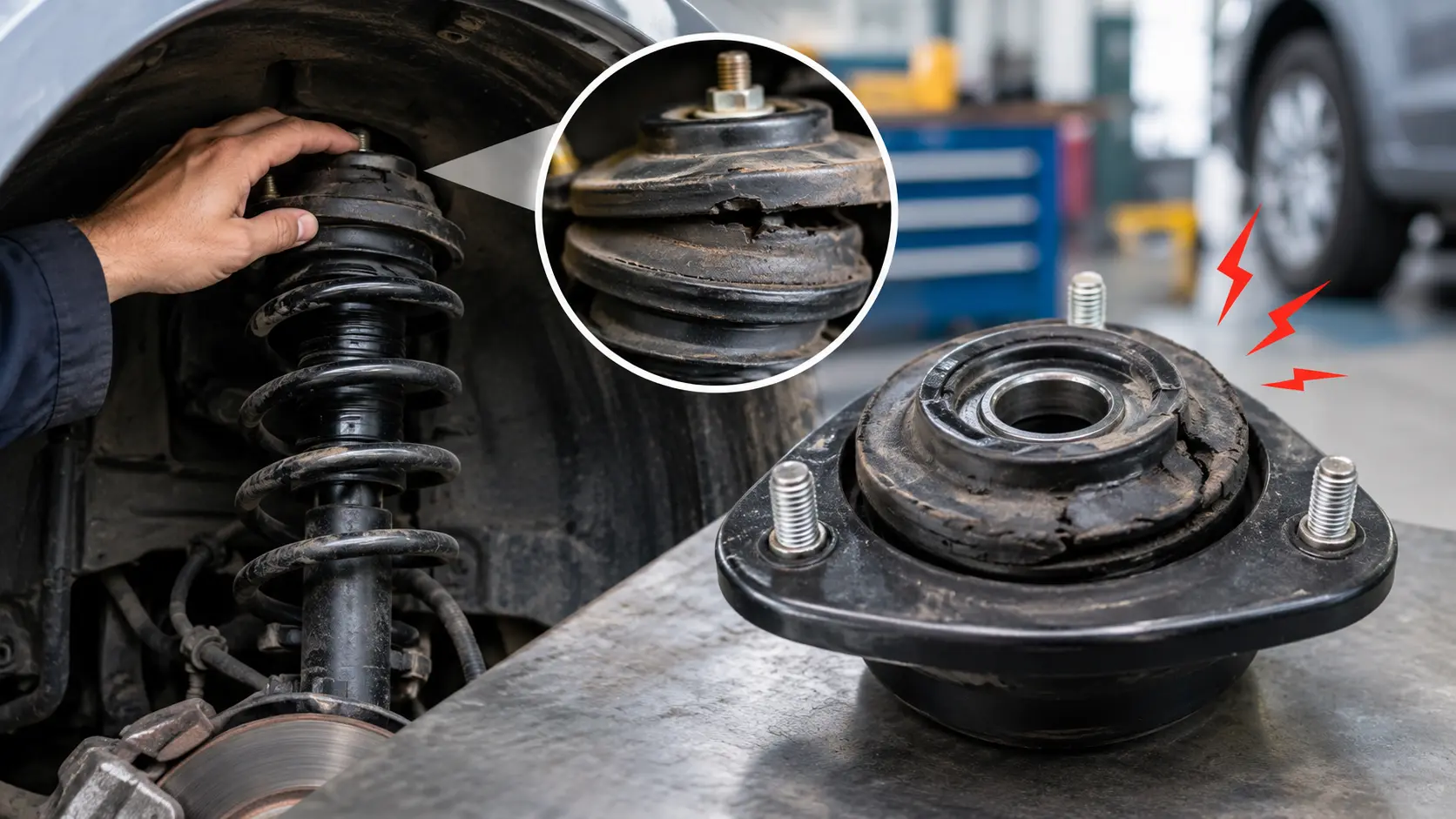
One symptom does not always mean the transmission has failed. Engine faults, worn mounts and other problems can cause similar signs. A proper diagnosis is important.
3. Common Causes of Honda Civic Transmission Problems
Different faults can create similar symptoms. A mechanic needs to check the transmission type, service history and fault codes before recommending repairs.
1. Low or Old Transmission Fluid
Transmission fluid lubricates moving parts and helps control heat. In many automatic transmissions, it also supports hydraulic operation.
Low fluid levels may result from a leak. Old or unsuitable fluid may also affect gear changes. Using the wrong fluid can cause further problems, so always follow the correct Honda specifications.
2. Honda Civic Transmission Slipping
Slipping happens when the transmission fails to transfer engine power properly. You may notice high engine revs without a matching increase in speed. Possible causes include low fluid, worn internal parts, or a control system fault. Continuing to drive with slipping gears can make the damage worse.
3. Honda Civic CVT Transmission Problems
A CVT changes its gear ratio without using the same fixed gear steps as a traditional automatic transmission. Some Civic models use this type of system.
Possible warning signs include shuddering, delayed response, unusual whining, or poor acceleration. These symptoms do not always mean the CVT needs replacement. Fluid condition, sensors and other parts should be checked first.
4. Faulty Sensors or Electronic Controls
Modern transmissions use electronic controls to manage their operation. A faulty sensor, damaged wire, or control module issue can affect shifting. The car may change gears roughly, enter a reduced-power mode, or show a warning light. A diagnostic scan can help find the source.
5. Worn Internal Parts
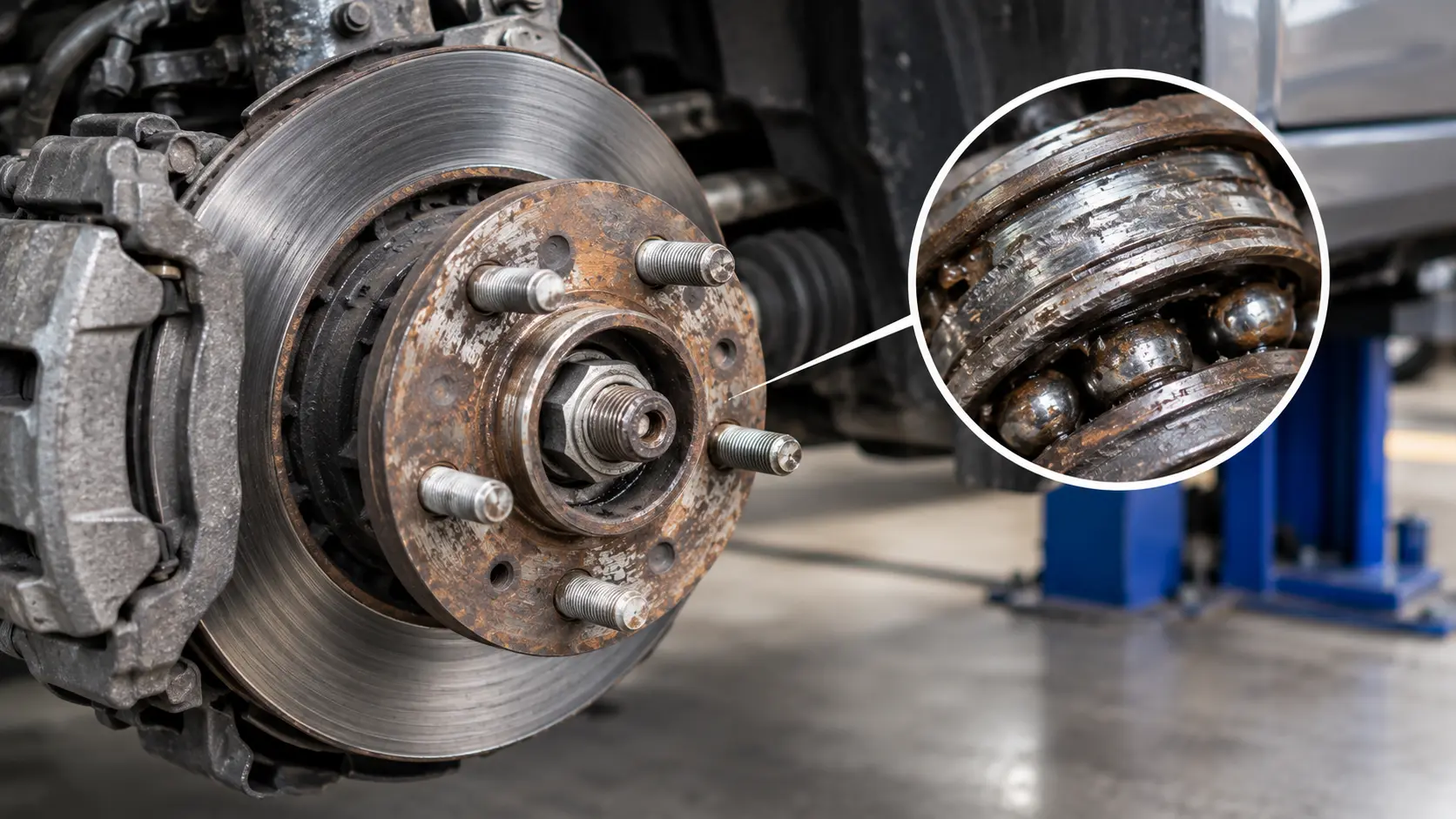
Clutches, bearings, gears and other internal parts can wear down with use. This may cause noise, slipping, or trouble selecting gears. Internal damage may need specialist repair. In some cases, replacing the transmission may be more practical than rebuilding it.
6. Transmission Fluid Leaks
A damaged seal, gasket, hose, or housing can allow fluid to escape. Low fluid can affect lubrication and transmission operation. A Honda Civic transmission fluid leak should be inspected promptly. Simply adding fluid without fixing the leak may not solve the problem.
7. Overheating
High temperatures, heavy loads and repeated stop-and-go driving can add heat to the transmission. Poor fluid condition or a cooling system fault may make the problem worse. Overheating can damage internal parts if the cause is not addressed.
Symptoms, Possible Causes and Solutions
| Symptom | Possible cause | Recommended action |
|---|---|---|
| Engine revs but speed stays low | Transmission slipping | Stop driving if severe and arrange an inspection |
| Delay when selecting Drive | Fluid issue or internal fault | Check fluid condition and scan the system |
| Shuddering during acceleration | CVT issue, fluid problem, or worn parts | Arrange a transmission diagnosis |
| Fluid under the car | Leak from a seal, hose, or housing | Find and repair the leak |
| Whining or grinding | Worn parts or low fluid | Get the car checked promptly |
| Warning light appears | Sensor, control, or mechanical fault | Scan for fault codes |
| Hard gear changes | Fluid, control, or internal issue | Inspect the transmission and related systems |
4. Diagnostic Process for Honda Civic Transmission Problems
A proper diagnosis helps find the real cause before repairs begin. Replacing parts without testing can waste time and money.
Review the Symptoms
The mechanic asks when the problem occurs. It may happen during cold starts, acceleration, reversing, or long drives.
Check for Fluid Leaks
The mechanic looks for leaks around seals, hoses and the transmission housing. Fluid levels and condition are checked using the correct procedure for your model.
Scan the Vehicle
A diagnostic tool reads stored fault codes from the car’s electronic systems. These codes can point to sensor, control, or transmission issues.
Inspect the Transmission
The mechanic checks the transmission and related parts for visible damage, unusual noise and signs of overheating.
Carry Out Further Tests
If needed, the mechanic performs additional tests or a road test under safe conditions. The results help confirm whether the problem is related to fluid, electronics, or internal parts.
5. Honda Civic Transmission Repair Process: Step by Step
The repair process depends on the fault and the transmission type. A typical service includes these steps:
Step 1: Initial inspection
The mechanic reviews your concerns and checks the vehicle.
Step 2: Fault diagnosis
Fluid checks, electronic scans and other tests help identify the problem.
Step 3: Repair estimate
You receive a clear explanation of the fault, parts, labour and expected cost.
Step 4: Repair approval
You approve the work before the repair begins.
Step 5: Repair or replacement
The mechanic fixes the leak, replaces faulty parts, services the transmission, or recommends a larger repair if needed.
Step 6: Fluid and system checks
The correct fluid and service procedure are used where required.
Step 7: Final testing
The mechanic checks gear engagement, shifting and other functions to confirm the repair.
Not every fault needs a new transmission. A leak, sensor fault, or service issue may have a simpler solution.
6. Risks of Ignoring Transmission Issues
Leaving a transmission problem untreated can increase repair costs. A minor fault may cause further damage when you continue driving.
Here are some possible risks:
- More internal damage: Slipping or low fluid can increase wear on moving parts.
- Higher repair bills: A small repair may turn into a major rebuild or replacement.
- Poor acceleration: The car may struggle to move safely in traffic.
- Sudden loss of drive: The transmission may stop transferring power to the wheels.
- Overheating: Excess heat can damage fluid and internal components.
- Breakdown on the road: A serious fault may leave your car unable to move.
If you notice a new warning sign, arrange an inspection early. This can help limit damage and avoid an unexpected breakdown.
7. Can You Continue Driving With Transmission Problems?
Some minor faults may allow you to drive a short distance to a workshop. However, driving is not safe in every case.
Stop driving and arrange roadside assistance if:
- Your car suddenly loses drive.
- The transmission makes loud grinding sounds.
- You notice a strong burning smell.
- The car slips badly or jerks without warning.
- You find a large fluid leak.
- The vehicle overheats or shows a serious warning.
- You cannot select Drive or Reverse properly.
Do not keep pressing the accelerator to force the car to move. This may cause more damage.
If the symptoms are mild and the car still operates normally, contact a mechanic for advice before driving further. When in doubt, choose roadside assistance over risking a breakdown.
8. How Long Does Honda Civic Transmission Repair Take?
Repair time depends on the fault, parts availability and the type of transmission fitted to your Civic.
| Repair or service | Estimated time |
|---|---|
| Initial inspection and diagnostic scan | 30–90 minutes |
| Transmission fluid service | 1–2 hours |
| Minor leak repair | 2–4 hours |
| Sensor or wiring repair | 1–4 hours |
| Transmission solenoid repair | 2–5 hours |
| Transmission rebuild | 1–3 working days or longer |
| Transmission replacement | 1–3 working days or longer |
These are general estimates. Complex faults, special parts and additional damage can extend the repair time.
9. Factors That Affect Honda Civic Transmission Repair Costs
The final bill depends on the type of fault and the parts needed.
- Model year: Different Civic generations use different transmission designs.
- Transmission type: CVT, automatic and manual systems have different service needs.
- Damage level: A minor leak costs less to repair than serious internal damage.
- Parts required: Seals, sensors, solenoids and complete transmissions have different prices.
- Labour time: Complex repairs take longer and may require specialist tools.
- Fluid specification: The correct fluid must match your transmission.
- Parts availability: The price and delivery time can vary in Dubai.
Ask for an itemised estimate. It should explain the fault, parts, labour and any extra work that may be needed.
What About Honda Civic Transmission Replacement Cost?
Transmission replacement is usually one of the more expensive options. The price depends on whether the unit is new, used, or reconditioned. The estimate should include the transmission unit, labour, required fluids and any programming or extra parts. Ask whether the replacement comes with a warranty. A full replacement is not always necessary. A reliable diagnosis can help determine whether a smaller repair is possible.
10. Estimated Honda Civic Transmission Repair Cost in Dubai
The table below gives broad planning estimates in UAE dirhams (AED). These are indicative ranges, not confirmed quotes from Rapid Rev Garage.
| Service | Estimated cost (AED) |
|---|---|
| Transmission inspection and diagnosis | 150–400 |
| Transmission fluid service | 300–800 |
| Minor transmission leak repair | 400–1,500 |
| Sensor or solenoid repair | 500–2,000 |
| Transmission repair or partial rebuild | 2,000–6,000 |
| Used or reconditioned transmission replacement | 3,000–8,000 |
| New or major transmission replacement | 7,000–15,000+ |
Actual prices vary by model year, transmission type, parts quality and labour. A CVT or newer model may have different costs. Confirm the fault and obtain a written quote before approving repairs.
11. Prevention Tips for a Longer-Lasting Transmission
Regular maintenance can help reduce wear and lower the risk of major transmission faults.
Honda Civic Transmission Maintenance Checklist
- ✅ Follow the maintenance schedule for your model year.
- ✅ Use only the transmission fluid specified by Honda.
- ✅ Check for fluid leaks during routine servicing.
- ✅ Pay attention to delays, slipping, or rough gear changes.
- ✅ Get dashboard warning lights checked promptly.
- ✅ Avoid hard acceleration when the car is cold.
- ✅ Do not overload the vehicle beyond its limits.
- ✅ Have unusual vibrations or noises inspected.
- ✅ Keep the engine cooling system in good condition.
- ✅ Keep records of transmission services and repairs.
Do not change the fluid type or use additives without checking the manufacturer’s guidance. The wrong product may cause further problems.
12. Dubai-Specific Advice for Honda Civic Owners
Dubai driving conditions can put extra stress on your transmission. High temperatures, busy roads and frequent stops may increase heat and wear.
High Temperatures and Heavy Traffic
Driving slowly in traffic can limit airflow around some vehicle components. Repeated acceleration and braking can also increase the load on the transmission. Follow the service schedule for your Civic. If you notice delayed shifting or shuddering after long drives, arrange an inspection.
Sand and Dust
Fine dust can affect different vehicle systems, especially if seals or other parts are damaged. If your Civic has been driven in harsh conditions, mention this during servicing.
Long Highway Drives
Long drives between Dubai and other emirates can place a steady load on the vehicle. Check for warning lights, fluid leaks and unusual behaviour before travelling.
Choosing a Local Workshop
If you search ‘garage near me‘, choose a workshop like Rapid Rev Garage that can diagnose your Civic’s specific transmission type. Ask about its diagnostic process, parts options, warranty and repair estimate.
For severe slipping, a large fluid leak, or loss of drive, do not attempt a long journey. Arrange roadside assistance instead.
13. Why Choose Rapid Rev Garage for Honda Civic Transmission Repair in Dubai?
Transmission problems need careful testing. A correct diagnosis can help prevent unnecessary replacements and reduce the risk of further damage.
Rapid Rev Garage provides car repair and maintenance services in Dubai. When booking a Honda Civic transmission inspection, ask the team to check the fluid condition, scan for fault codes and assess the transmission for leaks or mechanical damage.
The right repair plan should explain the problem, the available options and the expected cost before work begins.
If your Civic has slipping gears, delayed shifting, or unusual transmission noise, contact Rapid Rev Garage to discuss a suitable inspection and repair service.
14. Relevant Service Page
Check out our Honda repair service page to learn more about car repair and maintenance services in Dubai. Our team can help you explore the right solution for your Honda Civic transmission issues.
15. Related Services for Honda Civic Owners
Transmission faults can sometimes occur alongside other vehicle problems. Depending on the inspection results, these services may also help:
- Engine diagnostics: To check engine warning lights and poor acceleration.
- Transmission fluid service: To maintain the correct fluid condition and level.
- Cooling system repair: To address cooling faults that may affect vehicle temperature.
- Electrical diagnostics: To investigate sensor, wiring, or control module faults.
- General Honda servicing: To keep other vehicle systems in good condition.
- Roadside assistance: To help if your car cannot move safely after a breakdown.
Rapid Rev Garage can help you explore suitable repair options in Dubai. Confirm service availability for your model before booking.
16. FAQs
What are the most common Honda Civic transmission problems?
Common issues include slipping, delayed gear engagement, rough shifting, fluid leaks, shuddering and unusual noises. The cause depends on the model year and transmission type.
Why is my Honda Civic transmission slipping?
Slipping may result from low or unsuitable fluid, worn internal parts, or an electronic control fault. If the engine revs but the car does not gain speed as expected, arrange an inspection.
What causes Honda Civic CVT transmission problems?
Possible causes include fluid issues, worn components, sensor faults and internal damage. Shuddering, whining, or delayed acceleration should be checked before the fault becomes more serious.
How do I know if my Honda Civic transmission is failing?
Warning signs include delayed gear changes, repeated slipping, grinding noises, fluid leaks, burning smells and loss of drive. These symptoms need prompt attention, especially if they affect safe driving.
Can low transmission fluid cause gear problems?
Yes. Low fluid can affect lubrication and, in many automatic systems, hydraulic operation. It may cause rough shifting or slipping. Find and repair the source of any leak rather than simply adding fluid.
How much does Honda Civic transmission repair cost in Dubai?
Minor repairs may cost a few hundred dirhams, while major repairs can cost several thousand. Replacement may cost AED 3,000–15,000 or more, depending on the unit and labour. A workshop inspection is needed for an accurate quote.
Is it worth repairing a Honda Civic transmission?
It often depends on the car's age, mileage, overall condition and repair cost. A minor repair may be worthwhile. For major damage, compare the repair price with the car's value and the warranty offered.
How long can I drive with transmission problems?
There is no safe distance that applies to every fault. Severe slipping, grinding, burning smells, large leaks, or loss of drive mean you should stop and arrange recovery. Even mild symptoms should be checked promptly.
How long does a Honda Civic CVT last in Dubai?
With regular fluid changes every 40,000 km using Honda HCF-2 fluid, a Civic CVT can last 150,000 km or more. Without timely fluid maintenance in Dubai heat, failures before 100,000 km are common.
Where can I get Honda Civic transmission repair in Dubai?
Look for a workshop that can diagnose your transmission type and explain the repair options. You can contact Rapid Rev Garage to ask about Honda Civic transmission inspection and repair services in Dubai.
17. Final Thoughts: Get Your Honda Civic Transmission Checked
Transmission problems rarely improve by ignoring them. A small leak or shifting issue can develop into a more expensive repair if the cause remains untreated.
If your Honda Civic is slipping, shuddering, leaking fluid, or changing gears roughly, arrange an inspection. The sooner the fault is found, the easier it may be to limit further damage. Contact Rapid Rev Garage to book Honda Civic transmission repair in Dubai.
You can also visit us at our Al Quoz, Dubai branch,
Rapid Rev Garage: https://maps.app.goo.gl/wjK13vovXTKx5SsH8